Boston’s historic neighborhoods are filled with charming homes featuring bathrooms that were built decades ago. Many of these older bathrooms still have original bathtubs that no longer meet the needs of modern homeowners. If you are considering updating your space, a tub to shower conversion in Boston might be the perfect solution. This guide walks you through everything you need to know about making the switch from a traditional tub to a walk-in shower.
Why Boston Homeowners Are Choosing Shower Conversions
There are several reasons homeowners in Greater Boston are opting for tub to shower conversions. Accessibility is a major factor, especially for those with mobility concerns or planning to age in place. Walk-in showers eliminate the need to step over a high tub wall, making daily routines safer and more comfortable. Many Boston residents also find that they prefer showering over taking baths, and removing an unused tub creates space that feels more open and modern.
Additionally, older Boston homes often have smaller bathrooms that feel cramped with a standard bathtub. Converting to a shower can make the space feel larger and more functional without expanding the room’s footprint. For those with Norfolk County or Middlesex County properties, this conversion can also add value to your home while updating its overall feel.
Challenges of Tub to Shower Conversions in Boston Homes
Boston presents unique challenges for bathroom renovations. Many homes in neighborhoods like Beacon Hill, Back Bay, and surrounding areas were built in the 19th or early 20th century. These structures often have quirks that newer construction does not have. Before beginning your tub to shower conversion, it is important to understand these potential obstacles.
Plumbing considerations: Older plumbing systems may not be configured for modern shower drains. Your contractor will need to assess whether the existing drain location works for your new shower layout or if rerouting is necessary.
Ventilation issues: Proper ventilation is critical in any bathroom, but especially in older Boston homes where moisture can damage historic building materials. Installing adequate exhaust fans and ensuring proper waterproofing prevents mold growth and protects your home’s structure.
Layout constraints: Some Boston bathrooms have unusual dimensions or fixtures that limit your design options. A professional assessment helps identify what is possible within your specific space constraints.
The Conversion Process: What to Expect
Understanding the steps involved in a tub to shower conversion helps you prepare for the project. While every job is different, most conversions follow a similar general process.
- Initial consultation: Your contractor evaluates your bathroom, discusses your goals, and explains available options for your shower conversion.
- Design planning: Together you select materials, fixtures, and layout details that fit your style and budget.
- Demolition: The old bathtub is removed carefully to minimize damage to surrounding areas.
- Plumbing adjustments: Any necessary plumbing modifications are made to accommodate the new shower configuration.
- Waterproofing: Professional waterproofing is installed to protect your home from moisture damage.
- Tile and finishing: Custom tile work and final fixtures are completed according to your design.
- Final inspection: The installation is checked to ensure everything meets quality standards and functions properly.
Each phase requires attention to detail, particularly the waterproofing step. In Boston’s older homes, where structural elements may already be compromised by decades of moisture, this stage is especially important.
Choosing Materials for Your Boston Shower Conversion
Material selection plays a significant role in both the appearance and longevity of your new shower. Boston homeowners have numerous options that complement both historic and contemporary home styles.
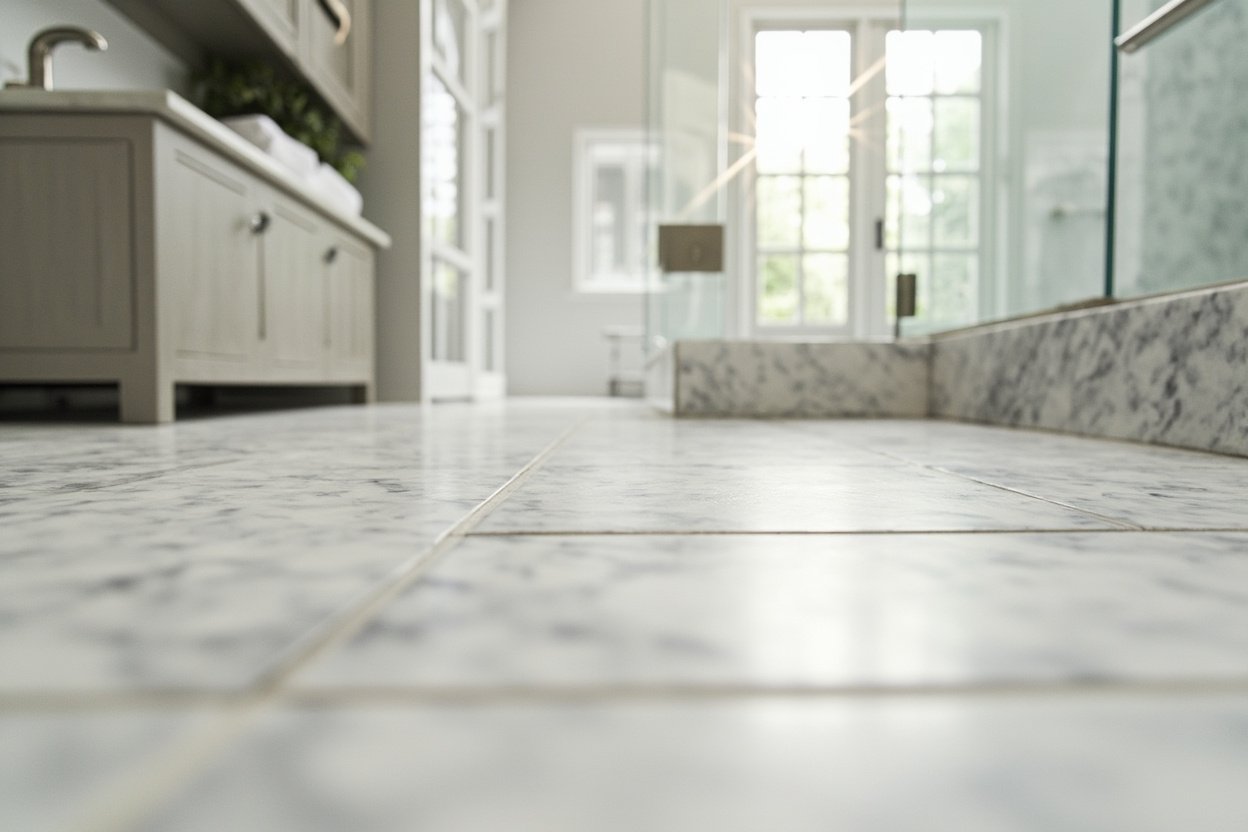
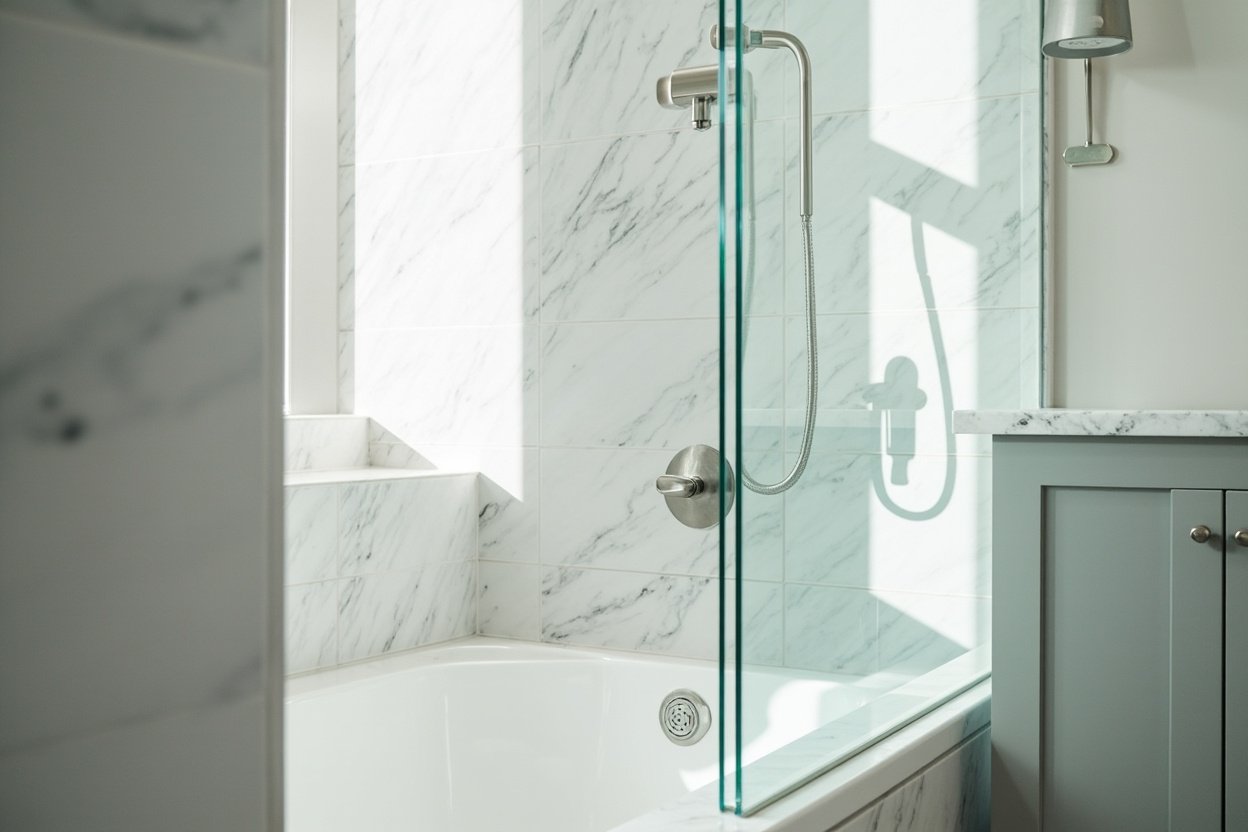
For bathroom tile, many choose natural stone such as marble or granite for a timeless look that suits historic properties. Others prefer porcelain or ceramic tiles, which offer durability and come in countless colors and patterns. Custom tile work can create a truly unique space that reflects your personal style.
Glass enclosures are popular for walk-in showers because they make small bathrooms feel more open. Frameless glass panels create a clean, modern aesthetic while containing water effectively. Your contractor can help you select the right glass thickness and configuration for your space.
Quality fixtures matter just as much as visual elements. Investing in reliable showerheads, controls, and drainage systems ensures your new shower performs well for years to come.
Working with a Professional Boston Contractor
Tub to shower conversions involve plumbing, electrical work, waterproofing, and construction. This is not a project suited for do-it-yourself approaches. Hiring an experienced contractor ensures the work is done correctly and safely.
A professional team understands Boston’s building codes and permit requirements. They know how to handle the unique challenges posed by older homes in Middlesex County, Norfolk County, and throughout Greater Boston. Their expertise prevents costly mistakes and ensures your new shower is built to last.
When selecting a contractor for your bathroom remodel, look for someone with experience specifically in shower conversions and walk-in installations. Ask about their waterproofing process, warranty coverage, and previous completed projects in your area.
Ready to plan? Visit our bathroom remodeling page for Free, no-obligation estimate
Making the Most of Your Bathroom Investment
A tub to shower conversion is more than just a design update. It is an investment in your daily comfort, your home’s functionality, and its future value. Boston homeowners who make this change often wonder why they did not do it sooner.
Whether you are updating a cramped bathroom in a South End brownstone or modernizing a family home in the suburbs, the right conversion transforms how you use your space. Working with experienced professionals who understand local homes ensures your project goes smoothly from start to finish.
If you are ready to explore tub to shower conversion options for your Boston area home, reach out to discuss your vision and discover what is possible within your space and budget.
When planning your tub to shower conversion boston, focus on clear scope, proper waterproofing, and smart layout choices.