Showing posts with label Advanced Deck & Porch | Boston Deck Builder. Show all posts

Saturday, October 3, 2026

Screened Porch vs. Three-Season Porch: A Greater Boston Guide

You want a covered outdoor room. You want to eat dinner outside in July without being swarmed, read on a rainy afternoon, and maybe stretch the season into October. Then the real question comes up: should it be a screened porch, or a three-season porch with windows?

From the street they can look almost the same. They live very differently, though, and the choice affects how the porch is framed, how the town reviews it, and how it holds up through a New England winter. This guide covers how each one works, where each falls short, and what to settle before anyone starts digging footings.

The Basic Difference

Screened porch

A screened porch is a roofed porch whose open sides are filled with insect screen. Air moves through it freely. It keeps out mosquitoes, blackflies, and most falling leaves, and the roof keeps off direct rain. Wind-driven rain, pollen, and cold air still get in.

Three-season porch

A three-season porch is enclosed with window units or removable glass and screen panels, so you can close it up against wind and rain and open it for a breeze. It usually isn’t insulated or heated the way the house is, so it’s built for spring, summer, and fall, not January.

Where four-season rooms come in

Once you insulate the walls, floor, and ceiling and add permanent heat, you have a four-season room. In most Massachusetts towns that counts as living space, not a porch. That changes the energy code requirements, the foundation, and sometimes the zoning review. If you think you’ll want year-round use eventually, say so at the start. That decision shapes the foundation and framing, and it’s the hardest thing to change later.

How Each One Handles a Boston Year

Spring

April and May around Greater Boston are damp, windy, and full of pollen. A screened porch gets usable on the first warm, still day, but a gusty 50-degree afternoon will keep you inside. A three-season porch with the windows shut warms up fast on a sunny spring day and blocks most of the pollen, so you’ll usually start using it weeks earlier.

Summer

Here the screened porch is at its best. Cross-breeze is the whole point, and nothing beats it on a humid evening. A three-season porch can match it only if the window units open wide. Small or awkward openings make a stuffy room. When you compare window systems, ask what percentage of each wall actually opens.

Fall

Fall is when three-season porches pay off. Cool, clear October evenings are comfortable behind glass with a throw blanket. A screened porch still works on mild days, but leaves, wind, and early dark send people inside sooner.

Winter

Neither one is a living room in January. Winter is about what the porch has to survive:

  • Snow load on the roof. Both porches need a roof framed for local snow loads. Low-slope roofs that tie into the house are where ice dams and leaks usually start.
  • Drifting snow. Screens let fine snow blow onto the floor. On a screened porch, plan a floor that sheds water and dries out.
  • Freeze-thaw at the footings. Shallow or undersized footings can heave, which racks the framing. On a three-season porch, racked framing shows up as windows that stick or won’t close.

What Goes Wrong on Older New England Houses

Many porches around Newton, Lexington, and Wellesley are added to houses that are 60 to 120 years old. These problems come up again and again:

The ledger connection

If the porch attaches to the house, it hangs on a ledger board fastened to the house framing. On older homes, the rim behind the siding can be rotted, undersized, or not where you’d expect. Flashing details from the original build are often missing. A good contractor opens the wall and checks before committing to an attached design. Sometimes a freestanding porch with its own beam and footings next to the house is the better answer.

Roof tie-ins

Matching an existing roofline, working around a second-floor window, or keeping a gutter from dumping onto the new porch roof takes planning. These details get rushed when the focus is on the porch itself, and they cause the most leaks.

Converting an old open porch

Screening in or glassing in an existing porch sounds simple. But many older porch floors are pitched to drain, the posts may not be plumb, and the roof framing was never meant to carry window units. Screens tolerate out-of-square framing. Windows don’t. Expect the existing structure to need straightening or rebuilding before a three-season enclosure will work right.

Floor choice

On a screened porch, a slightly pitched floor with gaps, or a waterproof surface that drains, handles blown-in rain and snow. On a three-season porch, people often want a tight, level floor that feels like an interior room. That works only if the enclosure really keeps water out and the space under the floor is ventilated.

Massachusetts Permits and Inspections, in General Terms

Building a new porch, roofing over an existing deck, or enclosing an open porch normally needs a building permit from your town. The specifics vary by community, but here’s what usually comes up:

  • Footings and foundation. Footings typically have to go below the frost line set by your local building department. Expect an inspection before concrete is poured or the holes are covered.
  • Framing inspection. The inspector checks the beams, ledger attachment, roof framing, and connections before anything is covered up.
  • Zoning and setbacks. A roofed porch adds to your building footprint. On tight suburban lots, setback rules can limit how far the porch extends or how close it sits to a property line.
  • Historic districts. Some neighborhoods in the towns around Boston sit in local historic districts where visible exterior changes need extra review. Check this early, since it can affect the design.
  • Enclosure and heat. Adding windows, and especially adding heat, can change how the town classifies the space. A heated room is generally held to energy code requirements that an open or screened porch isn’t.

Whoever pulls the permit is responsible for meeting what the town requires. Hire a contractor who handles permits as part of the job, not one who suggests skipping them.

Choosing: A Quick Decision Checklist

  • When will you use it most? Mostly summer evenings points to screens. Spring and fall points to a three-season porch.
  • How exposed is the spot? A windy, north-facing, or open-yard location favors glass. A sheltered spot under trees can work well with screens.
  • Will you furnish it like a room? Upholstered furniture, rugs, and electronics hold up much better behind glass.
  • Is year-round use possible later? If so, plan the foundation and framing for it now.
  • Does the house allow an attached design? Have the ledger area and existing roofline checked before you decide.
  • What does the town require? Confirm setbacks, historic district status, and permit steps before you finalize the design.

Questions to Ask a Contractor

  • Will the porch attach to the house or stand on its own, and why?
  • How will you check the house framing and flashing where the porch connects?
  • How will the porch roof tie into the existing roof and gutters?
  • For a three-season porch: what window or panel system do you suggest, and how much of each wall opens?
  • How will the floor handle water, both blown-in and from below?
  • Do you pull the permit and schedule the inspections?
  • Are you licensed and insured?

How Advanced Deck & Porch Can Help

Advanced Deck & Porch is a deck and porch brand owned and operated by Sun Shore Construction. We build front porches, screened porches, and three-season porches, plus new decks, deck rebuilds and repairs, and stairs and railings. We’re licensed and insured, and we handle permits. If you’re deciding between screens and glass for a home in Natick, Quincy, or anywhere nearby, we’ll look at your house, your yard, and how you want to use the space before recommending either one.

Free onsite estimate — call (857) 837-2100.

FAQ

Can I add windows to a screened porch later?

Sometimes, but it’s rarely a simple swap. Window units need square, plumb, well-supported framing, and screened porches are often built with more tolerance. If you think you might enclose it someday, have the porch framed with that in mind from the start.

Do I need a permit to screen in an existing porch?

Usually yes. Most Massachusetts towns require a building permit for structural changes, new roofs, or enclosures. Rules vary, so check with your local building department or have your contractor confirm before work begins.

Can I use a three-season porch in winter?

On a sunny day it can be comfortable for short stretches, but without insulation and permanent heat it won’t stay warm. If you want real winter use, you’re looking at a four-season room, which is generally treated as living space.

Which works better with lots of trees nearby?

Trees help a screened porch because the shade keeps it cool. They also drop leaves, pollen, and debris that blow through screens. A three-season porch keeps the inside cleaner, but either way you’ll be clearing the roof and gutters more often.

Should I build on top of my existing deck?

Only if the deck’s footings, beams, and ledger can carry a roof and walls. Most decks were never designed for that load. Have the structure evaluated first. Often the footings need upgrading or the frame needs rebuilding.


Advanced Deck & Porch | Boston Deck Builder
Wednesday, September 30, 2026

Deck Permits in Massachusetts: A Homeowner’s Walkthrough

You’ve settled on a new deck, or the old one is soft enough that you’re done patching it. Then you look at your town’s building department website and find forms, plan requirements, inspection schedules and zoning references. It’s easy to wonder whether a deck really needs all of that.

In most Massachusetts towns, it does. This guide covers how deck permits usually work in Greater Boston, what the building department will want to see, where projects on older New England houses tend to hit trouble, and what to ask a contractor before anyone starts digging.

Do You Actually Need a Permit for a Deck?

Massachusetts has a statewide building code, which is based on the International Residential Code and includes state-specific amendments. Each town’s building department enforces it. Under the model code, a small deck may be exempt if it is low to the ground, freestanding and doesn’t serve a required exit. Few real decks meet all of those conditions, and local departments read the rules their own way.

A permit is almost certainly required if any of these apply:

  • The deck attaches to the house with a ledger board.
  • The deck surface sits more than about 30 inches above the ground at any point, which triggers guard (railing) requirements.
  • The deck serves a door that people use to get in and out of the house.
  • You’re replacing framing, footings or stairs, not just surface boards.
  • You’re adding a roof, screens or walls, which turns a deck into a porch or three-season room.

Replacing a few deck boards with identical material often doesn’t need a permit. Once the work reaches the structure, including joists, beams, posts, footings or the ledger, plan on pulling one. When you’re unsure, call the building department before you start. That five-minute call saves you from a stop-work order.

What the Building Department Will Ask For

Requirements vary between towns like Newton, Lexington and Quincy, but most deck permit applications include the same core items.

A site plan

This shows where the deck sits on your lot and how far it is from property lines. Many towns accept a copy of your plot plan with the deck drawn in. Zoning setbacks apply to decks just as they do to additions, and a raised deck can count toward lot coverage limits.

Construction drawings

The inspector wants to see the framing plan: joist size and spacing, beam size, post locations, footing size and depth, how the ledger attaches, and stair and railing details. A sketch on graph paper rarely passes. The drawings don’t need to be architectural, but they must be specific.

Contractor credentials

In Massachusetts, structural work on a home generally has to be supervised by someone holding a Construction Supervisor License. Contractors doing home improvement work on existing owner-occupied homes must also be registered as Home Improvement Contractors. The permit application asks for both.

Other approvals, when they apply

Some lots need sign-off from more than the building department before a permit is issued:

  • Conservation commission: if your yard is near wetlands, a stream or a pond, work within the regulated buffer zone usually needs review first.
  • Historic district commission: towns such as Lexington and Wellesley have local historic districts where visible exterior changes need approval.
  • Zoning relief: if the deck would break a setback, you may need a variance or special permit, which can add weeks or months.

The Inspections You Should Expect

A deck permit usually comes with several inspections. Each one has to pass before work moves forward.

  • Footing inspection: after the holes are dug and before concrete goes in. The inspector checks depth and diameter. In much of eastern Massachusetts, footings have to go below the local frost depth, which is often around four feet. Your building department sets the exact figure.
  • Framing inspection: after the framing and ledger are installed but before decking covers them. Inspectors look at ledger fasteners, flashing, joist hangers, beam connections and post bases here.
  • Final inspection: after decking, railings and stairs are finished. Guard height, baluster spacing, stair rise and run, handrails and graspability all get checked.

The most common and hardest-to-undo mistake is covering work before it’s inspected. If the decking goes down before the framing inspection, the inspector can require boards to come up. A good contractor builds inspection dates into the schedule instead of trying to squeeze them in.

Where Older New England Houses Complicate Things

A lot of Greater Boston housing is decades or even a century old, and old houses raise permit issues that newer construction avoids.

Ledger attachment on old framing

The code expects a deck ledger to be bolted to a solid rim board. Many older homes don’t have a standard rim. Some are balloon-framed, some have rot hidden behind siding, and some sit on stone or brick foundations that don’t take fasteners well. When the house can’t carry a ledger properly, the answer is often a freestanding deck with its own beam and posts along the house side. That changes the drawings, so decide it before you apply.

Existing decks that were never permitted

If you’re replacing a deck someone built decades ago without a permit, the new one is held to today’s code. It may need deeper footings, more posts, a taller guard or a different stair layout than the old one had. “We’re just rebuilding what was there” usually doesn’t carry weight with an inspector.

Lead paint

Homes built before 1978 may have lead paint on the siding and trim around the deck. Disturbing it falls under federal and state lead-safe work rules, so ask your contractor how they will handle it.

Buried utilities and ledge

Massachusetts law requires notifying Dig Safe before excavating, and the notice has to go in several business days ahead. Ledge is also common in towns like Quincy, Braintree and Acton. Hitting rock partway down a footing hole can mean a footing redesign, and the inspector may need to approve it.

Who Should Pull the Permit?

Massachusetts homeowners can pull their own building permit, and some do so thinking it will save time. Before you do, know this: if you pull the permit yourself and then hire a contractor to do the work, you may lose access to some of the consumer protections the state provides for registered home improvement contracts. In most cases, the contractor doing the work should pull the permit under their own license and registration. That also makes them the party answering to the inspector.

Checklist: Questions to Ask a Contractor About Permits

  • Will you pull the permit under your own Construction Supervisor License and HIC registration?
  • Who prepares the framing drawings, and will I get a copy?
  • Does my lot need conservation, historic or zoning review before the building permit?
  • How will the deck attach to my house, and what’s the plan if the rim framing isn’t sound?
  • How will you schedule the footing, framing and final inspections so nothing gets covered early?
  • Who calls Dig Safe, and what happens if you hit ledge?
  • How will you handle lead-safe work if my house was built before 1978?
  • Will I get the signed-off permit card when the job is done?

A contractor who answers these clearly and quickly has been through the process many times. Vague answers, or a suggestion to skip the permit, are a warning sign.

Why the Permit Matters After the Deck Is Built

A permit is more than paperwork. A closed permit shows that someone independent checked the footings and framing at the stages where problems can’t be seen later. It also matters when you sell. Buyers’ home inspectors and attorneys often ask about unpermitted decks, and unresolved questions can hold up a closing.

Advanced Deck & Porch, a deck and porch brand owned and operated by Sun Shore Construction, builds new decks, rebuilds and repairs existing ones, and handles stairs, railings, front porches, and screened and three-season porches. We’re licensed and insured, and we handle permits as part of the job.

Frequently Asked Questions

How long does it take to get a deck permit in Massachusetts?

It depends on the town and the time of year. A simple application in a town with no extra reviews can move fairly quickly. Spring is the busiest season, and conservation, historic or zoning review can add a lot of time. Apply well before you want construction to start.

Do I need a permit to replace deck boards?

Usually not, if you’re only swapping surface boards for similar material and leaving the framing alone. If the work reaches joists, beams, posts, footings, stairs or railings, check with your building department.

Can my deck be built right up to the property line?

Usually not. Decks generally have to meet the same zoning setbacks as other structures, and some towns count raised decks toward lot coverage. Your plot plan and the local zoning bylaw determine what’s allowed.

Does a screened porch need a different permit than a deck?

Adding a roof, screens or walls changes the structure and how the building department reviews it. Expect more detailed drawings, roof framing and load checks, and possibly more zoning scrutiny, since a covered porch is treated more like part of the house.

What happens if my current deck was never permitted?

It’s common with older decks. When you rebuild or replace it, the new work is permitted and built to current code, which often fixes the old problem. A contractor can walk you through the options for your house.

Planning a new deck or porch, or wondering whether your existing deck will pass today’s standards? Call (857) 837-2100 to schedule a free onsite estimate.


Advanced Deck & Porch | Boston Deck Builder
Saturday, September 26, 2026

What to Expect When Hiring a Deck Contractor in Boston

Building or rebuilding a deck in the Boston area is a smart investment, but the process involves more than choosing a style you like. Between New England weather, local permit requirements, and the technical demands of proper structural framing, working with an experienced deck contractor in Boston means having a partner who understands the specific challenges of building outdoors in this region.

Why Boston-Area Weather Shapes Your Deck Project

Massachusetts winters are no joke, and the freeze-thaw cycles that characterize Greater Boston weather take a real toll on outdoor structures. Moisture that seeps into cracks, freezes, and expands can compromise even well-built decks over time. This is why thoughtful material selection and solid construction practices matter so much here.

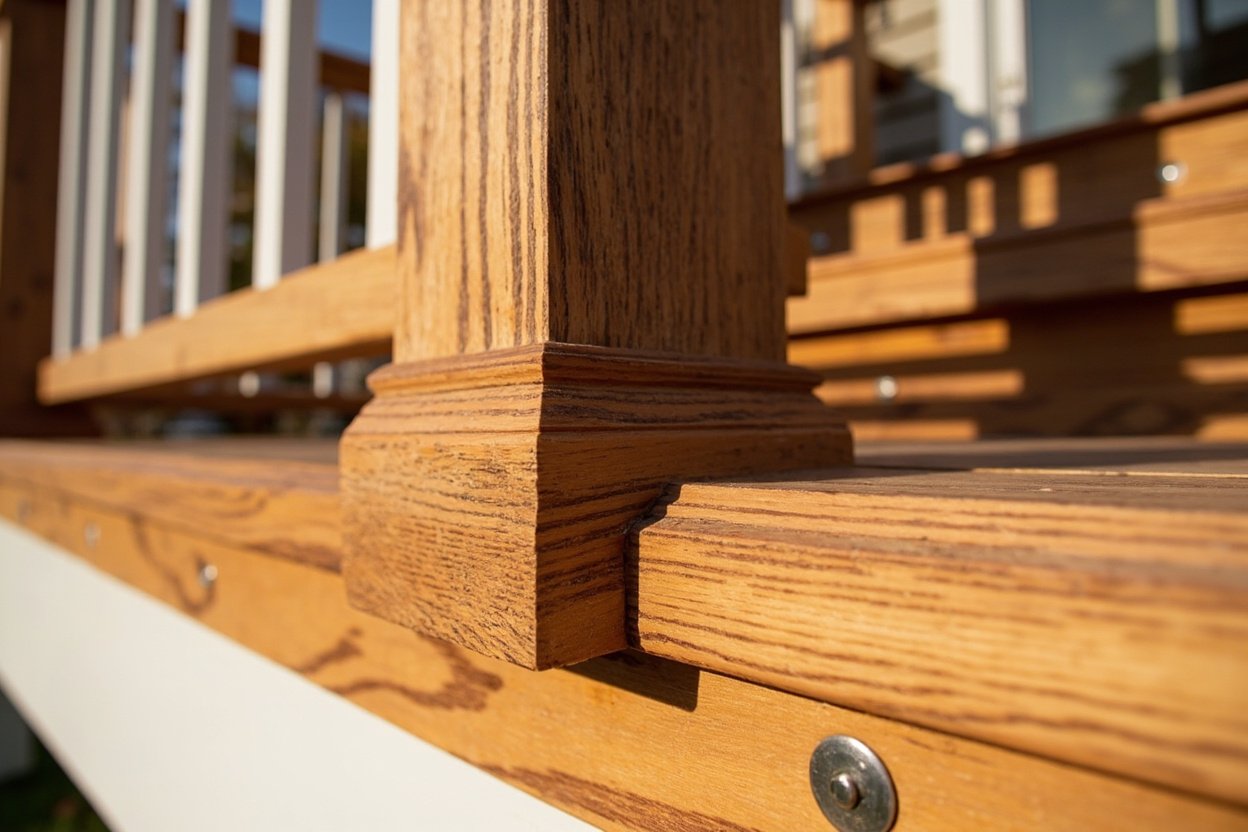
deck contractor Boston
Professional deck and porch craftsmanship by Advanced Deck & Porch

A quality deck contractor in Boston will plan for these conditions from the start. That means using pressure-treated lumber rated for ground contact where appropriate, choosing fasteners and connectors rated for exterior use, and ensuring proper drainage and ventilation around the structure. Whether you are building in Quincy, Wellesley, or right here in Boston proper, the local climate should influence every decision made during design and construction.

Structural Framing: The Foundation of a Safe Deck

The word framing may not sound glamorous, but it is arguably the most important part of any deck project. A deck can look beautiful and still be dangerous if the underlying structure is not engineered and built to handle the loads it will face year after year.

Proper structural framing includes:

  • Correctly sized beams and joists based on span distances and expected load
  • Secure connections between the deck and your home using proper ledger board flashing and fasteners
  • Footings that extend below the frost line to prevent shifting during winter freeze-thaw cycles
  • Notching and drilling practices that maintain the strength of pressure-treated posts and beams

These details are especially critical in towns like Newton, Brookline, and Westwood, where older homes often have existing structures that new deck additions must connect to safely and code-complying ways.

Choosing the Right Deck Materials for the Boston Climate

Two of the most common choices for Boston-area decks are traditional pressure-treated lumber and Composite decking. Each has a place depending on your priorities, budget, and how much maintenance you are willing to take on.

Pressure-treated wood remains popular because it is durable, cost-effective, and widely available. With regular cleaning, sealing, and periodic board replacement, a treated wood deck can serve your family well for many years.

Composite decking, on the other hand, has come a long way in recent years. Modern composites resist fading, warping, and moisture absorption far better than many older products, making them particularly well-suited to the kind of weather exposure decks in this area face year-round. Many homeowners appreciate that Composite decking does not require the same annual sealing schedule as wood, though occasional cleaning is still recommended.

A good deck contractor will walk you through the pros and cons of each material and help you make a choice that fits your goals and your budget, whether you are building a new front porch in Wayland or planning a full deck rebuild in Burlington.

Railing Safety and Stairs: Details That Protect Your Family

Building codes in Massachusetts set specific requirements for deck railings and stairs, and for good reason. Railings must meet minimum height standards, baluster spacing requirements, and load-bearing criteria to help keep children, guests, and pets safe. Stairs need proper rise and run measurements, secure stringers, and solid handrails.

These are areas where experienced deck builders pay close attention. Poorly installed railings and stairs are among the most common sources of injury and callback issues in outdoor construction. Whether your project is in Lexington, Natick, or Braintree, meeting or exceeding these safety standards is simply the right thing to do.

Navigating Permits and Local Requirements

Most municipalities in the Greater Boston and MetroWest areas require permits for new deck construction and significant rebuilds. Permit requirements vary from town to town, with some communities in areas like Wellesley, Weston, and Milton having additional review processes for larger projects or those in historic districts.

An established deck contractor familiar with local building departments can handle much of the permit process for you, including submitting plans and coordinating inspections. This is one of the practical advantages of working with a team that serves towns like Needham, Bedford, Canton, and Acton regularly. They understand what each jurisdiction looks for and can keep your project moving forward without unnecessary delays.

Planning for Long-Term Maintenance

Once your deck is complete, a little ongoing care goes a long way. No matter what material you choose, keeping the surface clean, checking for loose fasteners, and inspecting railing connections at least once a year helps catch small issues before they become bigger ones.

If you have a wood deck, plan to clean and reseal every couple of years. If you opted for Composite decking, a simple annual wash is usually sufficient. Either way, clearing snow from the surface when possible and ensuring good drainage away from the structure helps extend the life of your investment through many Boston winters.

Ready to discuss your project? Visit our deck and porch services page or call (857) 837-2100 to schedule a free onsite estimate.


Advanced Deck & Porch is a brand owned and operated by Sun Shore Construction. All estimates, contracts, and construction services are provided by Sun Shore Construction.


Advanced Deck & Porch | Boston Deck Builder
What to Look for in a Porch Contractor Boston Homeowners Can Trust

If you are a homeowner in the Boston area thinking about adding a new front porch or refreshing an existing one, you probably have questions. How do I find the right porch contractor? What materials will hold up to New England weather? How do permits work in my town? This guide walks you through everything you need to know before signing a contract, so you can move forward with confidence.

Why Boston-Area Porches Face Unique Challenges

Building a porch in Greater Boston is different from construction in milder climates. Our winters bring heavy snow loads, freeze-thaw cycles, and bitter cold. Summers can be humid, and spring rains arrive quickly. All of this exposure puts stress on outdoor structures, especially ones attached to your home.

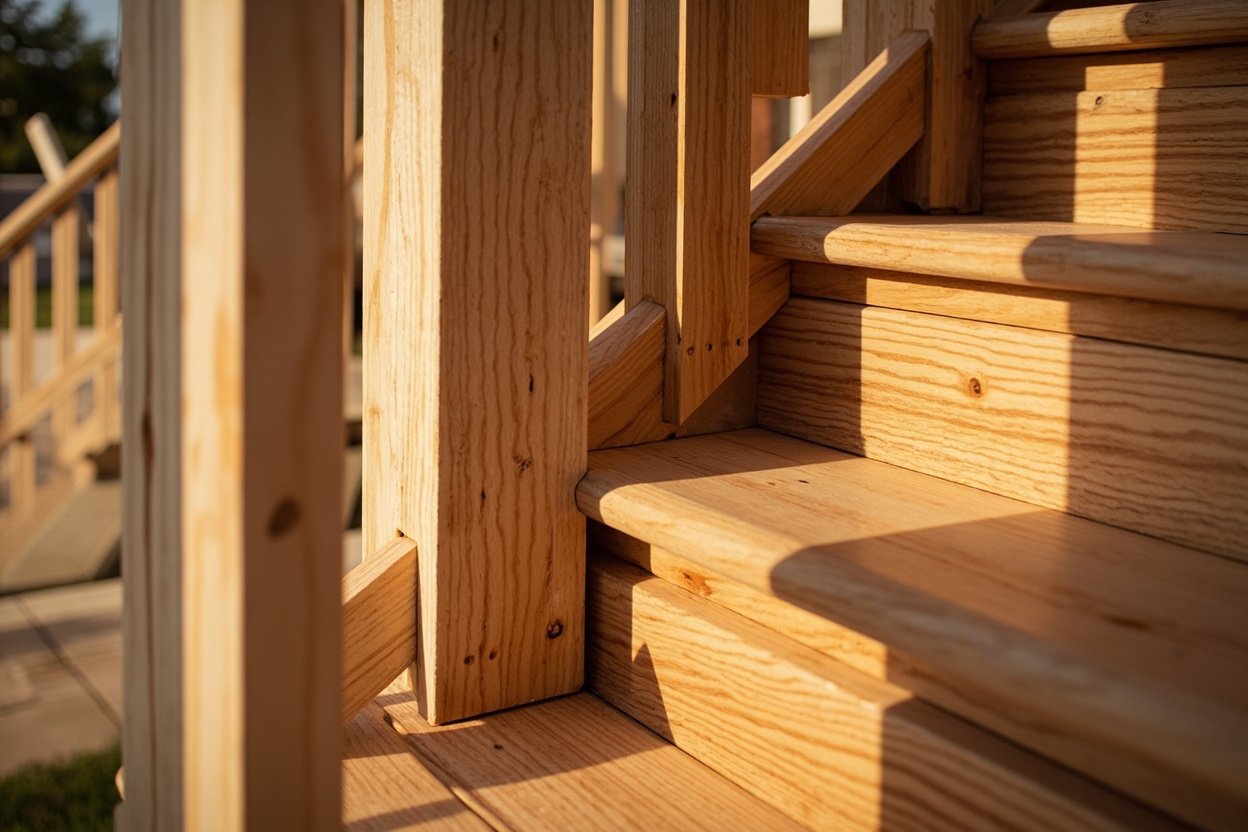
porch contractor Boston
Professional deck and porch craftsmanship by Advanced Deck & Porch

A quality porch contractor understands how moisture moves through deck materials and how temperature swings affect wood and composite products over time. They plan for proper drainage, adequate ventilation, and structural connections that will hold firm season after season. Without this local knowledge, even well-built porches can develop problems within a few years.

Qualities That Set a Reliable Porch Contractor Apart

When evaluating contractors for your Boston porch project, look for these indicators of professionalism and expertise. A trustworthy porch contractor serving Newton, Brookline, Wellesley, or any of the surrounding towns should be able to explain their process clearly and walk you through material options without pressure.

Here are some key qualities to look for:

  • Transparent communication: You should receive clear answers about timelines, processes, and what to expect during construction.
  • Experience with local building codes: Permit requirements vary between Boston, Quincy, Braintree, and MetroWest towns. Your contractor should know which inspections are required and when.
  • Proper licensing and insurance: Verify that your contractor carries adequate coverage for your protection.
  • Portfolio of completed work: Seeing examples of past porches and decks in your area helps you gauge the quality of their craftsmanship.

At Advanced Deck & Porch, we have built porches and decks for homeowners throughout Greater Boston and the MetroWest region. We understand the specific considerations that come with building in towns like Weston, Lexington, and Needham, where architectural styles and zoning rules can differ from one neighborhood to the next.

Choosing the Right Materials for Your Boston Porch

Material selection is one of the most important decisions you will make for your porch project. The right choice depends on your budget, aesthetic preferences, and how much maintenance you are willing to handle over the years.

Composite decking has become a popular option for homeowners who want durability without the upkeep that wood requires. High-quality composite boards resist fading, staining, and moisture damage, which makes them well-suited for Boston’s climate. They also maintain their appearance longer than traditional wood when exposed to sun and snow.

Pressure-treated lumber remains a solid choice for structural framing and can work for decking surfaces as well. It handles moisture well and is more affordable upfront, though it may require sealing and occasional maintenance to prevent splitting and warping.

For homeowners who love the look of natural wood, cedar or redwood offer beautiful grain patterns and natural resistance to decay. These materials typically cost more and benefit from periodic maintenance to preserve their appearance.

Your porch contractor should explain the pros and cons of each option and help you select materials that match your goals and budget. Every choice affects long-term performance, so it pays to think it through before construction begins.

The Role of Structural Framing and Safety Features

Beneath the surface of any great porch lies careful structural framing. Proper framing ensures your porch can support its own weight plus whatever loads it will bear, from foot traffic to furniture to winter snow. Inadequate framing is one of the most common causes of porch problems down the road.

Your contractor should use properly sized joists, secure ledger boards, and adequate support posts anchored to frost footings. In Massachusetts, footings must extend below the frost line to prevent movement during winter freezing and thawing. This detail matters in every town we serve, from Burlington to Canton.

Safety features like railing safety and properly designed stairs are non-negotiable. Railings must meet height and baluster spacing requirements, which protect children and adults from falls. Stairs need appropriate rise and run dimensions, secure stringers, and solid footing. These elements are not just code requirements; they keep your family safe every day.

When planning deck stairs, your contractor should consider traffic flow, landing space at the bottom, and how snow and ice might affect traction. Non-slip treads and proper drainage around stairs extend their lifespan and reduce maintenance headaches.

Planning Your Porch Project in the Boston Area

Before construction begins, several steps prepare the way for a smooth project. Understanding permit requirements helps set realistic expectations for your timeline.

In most Boston-area towns, adding a porch or deck requires a building permit. The specific requirements depend on the size of the structure, its height above grade, and proximity to property lines. Towns like Wellesley, Weston, and Wayland may have additional architectural review considerations depending on your neighborhood.

Your porch contractor should handle permit applications as part of their service. They will submit plans, coordinate inspections, and ensure the project meets local codes at each stage. This support saves you time and reduces the risk of issues during or after construction.

Planning ahead for weather exposure means scheduling your project strategically. Spring through early fall typically offers the best window for construction in New England. Starting the process early in the year gives you more flexibility for permits, material ordering, and scheduling.

Finally, consider how maintenance planning fits into your long-term homeownership. Even low-maintenance materials like composite decking benefit from occasional cleaning. Your contractor can recommend a simple maintenance schedule that protects your investment for years to come.

Ready to discuss your project? Visit our deck and porch services page or call (857) 837-2100 to schedule a free onsite estimate.


Advanced Deck & Porch is a brand owned and operated by Sun Shore Construction. All estimates, contracts, and construction services are provided by Sun Shore Construction.


Advanced Deck & Porch | Boston Deck Builder
Friday, September 25, 2026

Porch Repair Boston: What Homeowners Need to Know Before Starting

Your front porch is more than just an entryway; it is the first thing guests see and a key part of your home’s overall value. In the Greater Boston climate, porches endure a unique set of challenges, from heavy snow and ice in the winter to humid summers and everything in between. If you are searching for porch repair in Boston, understanding the common issues, material choices, and local considerations can save you time and money. Here is what you need to know.

Common Porch Problems in Boston-Area Homes

Because Boston and the surrounding MetroWest towns experience such dramatic seasonal shifts, porches in this region face specific types of wear and tear. Structural framing problems are among the most common issues our team encounters. The wood supporting your porch can absorb moisture during rainy seasons and freeze during harsh winters, leading to rot, warping, or even compromised load-bearing capacity.

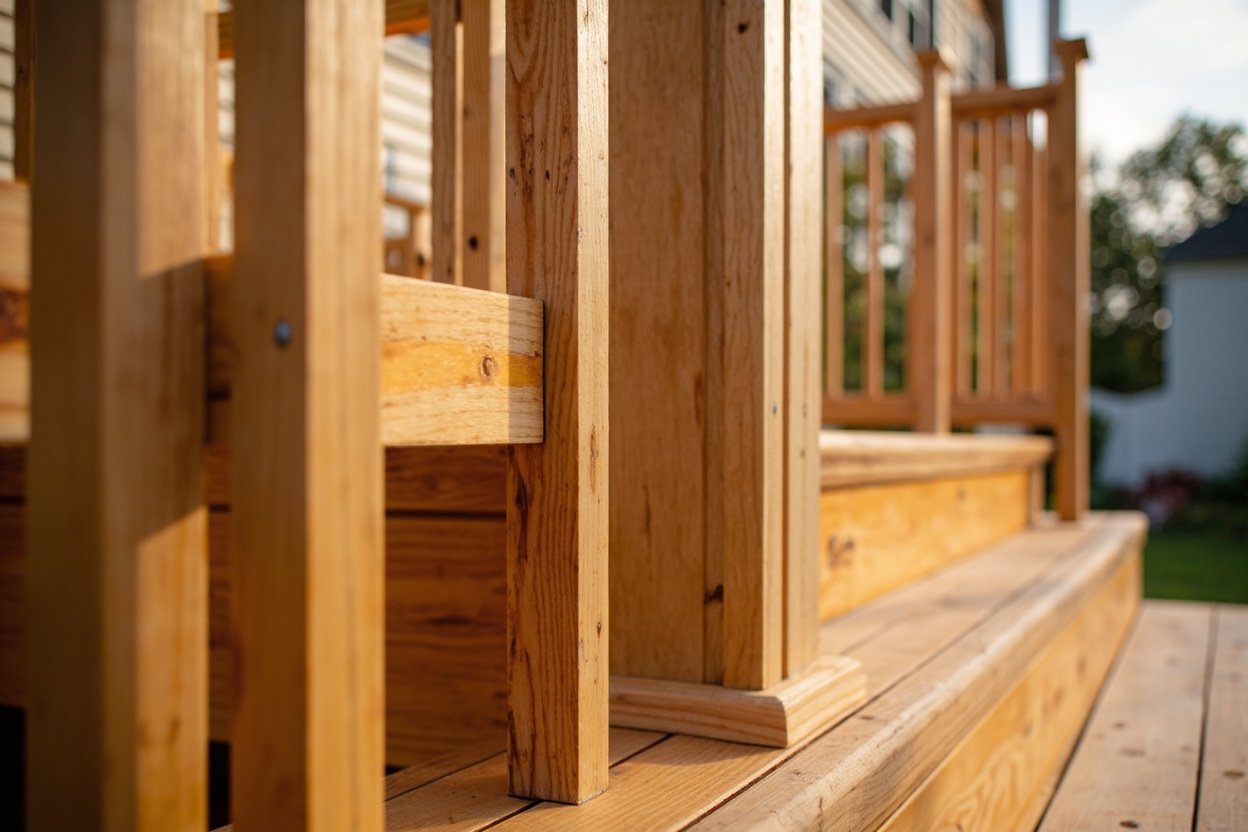
porch repair Boston
Professional deck and porch craftsmanship by Advanced Deck & Porch

Other frequent porch repair needs include damaged or soft decking boards, loose railings, cracked or settling stairs, and deterioration at the ledger board where the porch attaches to your home. Older porches in Newton, Brookline, or Wellesley often show signs of age-related wear that, if left unaddressed, can create safety hazards. Regular inspections are the best way to catch these problems early before they turn into larger, more expensive repairs.

Understanding Deck Materials and Framing for Boston Weather

Choosing the right deck materials is one of the most important decisions you will make during a porch repair or rebuild project. Traditional pressure-treated lumber remains a popular choice for its affordability and availability. However, many homeowners in areas like Weston, Lexington, and Needham are increasingly turning to Composite decking for its low-maintenance qualities and resistance to moisture and fading.

Composite decking does not warp, crack, or splinter the way natural wood can, which makes it an excellent option for porches and decks that face constant weather exposure. While the upfront cost is higher, the long-term savings on staining, sealing, and repairs often make it a smart investment. No matter what material you choose, proper structural framing is the foundation of a safe and durable porch. That means using properly treated joists, beams, and posts, and ensuring everything is flashed and ventilated to prevent moisture buildup.

Why Railing Safety and Stairs Matter

Railing safety is not just a design choice; it is a code requirement and a critical safety feature, especially for homes with children or elderly residents. In Massachusetts, porch and deck railings must meet specific height and baluster spacing requirements. Loose, wobbly, or damaged railings are a liability and should be addressed immediately by a qualified contractor.

The same goes for your porch stairs. Worn-out treads, uneven steps, or inadequate stringers can lead to trips and falls. When we handle porch repairs in Quincy, Braintree, or Milton, we always inspect the stair structure thoroughly, checking for signs of rot at the stringer connections and ensuring each step meets local codes. If your stairs are showing their age, it may be time to consider a full stair rebuild rather than a patch job.

Permits, Planning, and Working with Local Contractors

Before starting any porch repair project in the Greater Boston area, it is important to understand local permit requirements. Many towns, including Brookline, Wellesley, and Newton, require permits for structural changes, additions, or significant repairs to existing porches. A reputable contractor will be familiar with the permitting process in your specific town and will handle the paperwork for you.

When planning your project, consider the seasonal timing. Spring and early fall tend to be the best times for porch construction and repairs in the Boston area. However, a good contractor can work year-round with proper planning. Think about your long-term maintenance planning as well. How much time and money are you willing to invest in upkeep? Answering these questions upfront helps you choose the right materials and scope for your project.

Working with a local contractor who understands the specific challenges of Boston weather and local building codes makes a significant difference. From Bedford to Braintree, homeowners trust teams with experience in the area to deliver quality results that last.

Make Sure Your Porch Is Ready for the Seasons Ahead

Whether you need a minor repair or a full front porch rebuild, taking action now can prevent more costly problems down the road. Inspect your porch regularly, watch for signs of rot or damage, and do not delay when you notice issues with railings, stairs, or structural framing. Choosing durable materials like Composite decking, working with experienced professionals, and staying on top of local permit requirements will ensure your porch remains safe, functional, and beautiful for years to come.

Ready to discuss your project? Visit our deck and porch services page or call (857) 837-2100 to schedule a free onsite estimate.


Advanced Deck & Porch is a brand owned and operated by Sun Shore Construction. All estimates, contracts, and construction services are provided by Sun Shore Construction.


Advanced Deck & Porch | Boston Deck Builder
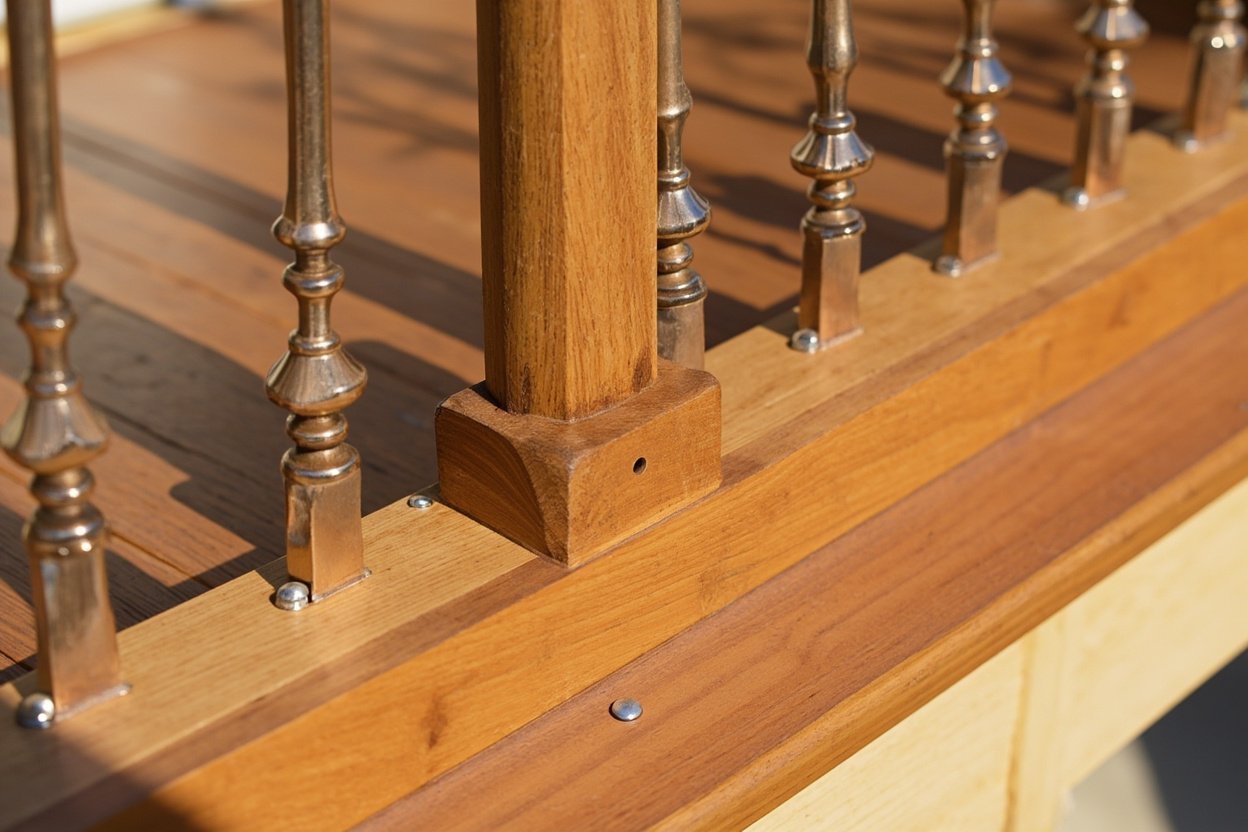
Deck Rebuild in Boston: What Property Owners Need to Know Before Starting

If your current deck is showing its age through sagging boards, loose railings, or structural concerns, you are not alone. Many homeowners in Boston, Newton, and surrounding communities find themselves weighing the options between repairs and a full deck rebuild. Understanding what the process involves can help you make a confident decision for your property.

Why Deck Rebuilds Are Common in the Boston Area

Boston’s climate creates unique challenges for outdoor structures. From freezing winter temperatures to humid summer months, deck materials endure significant weather exposure year after year. Freeze-thaw cycles can compromise even well-built structures over time, leading to warped boards, weakened connections, and structural framing issues that become safety concerns.

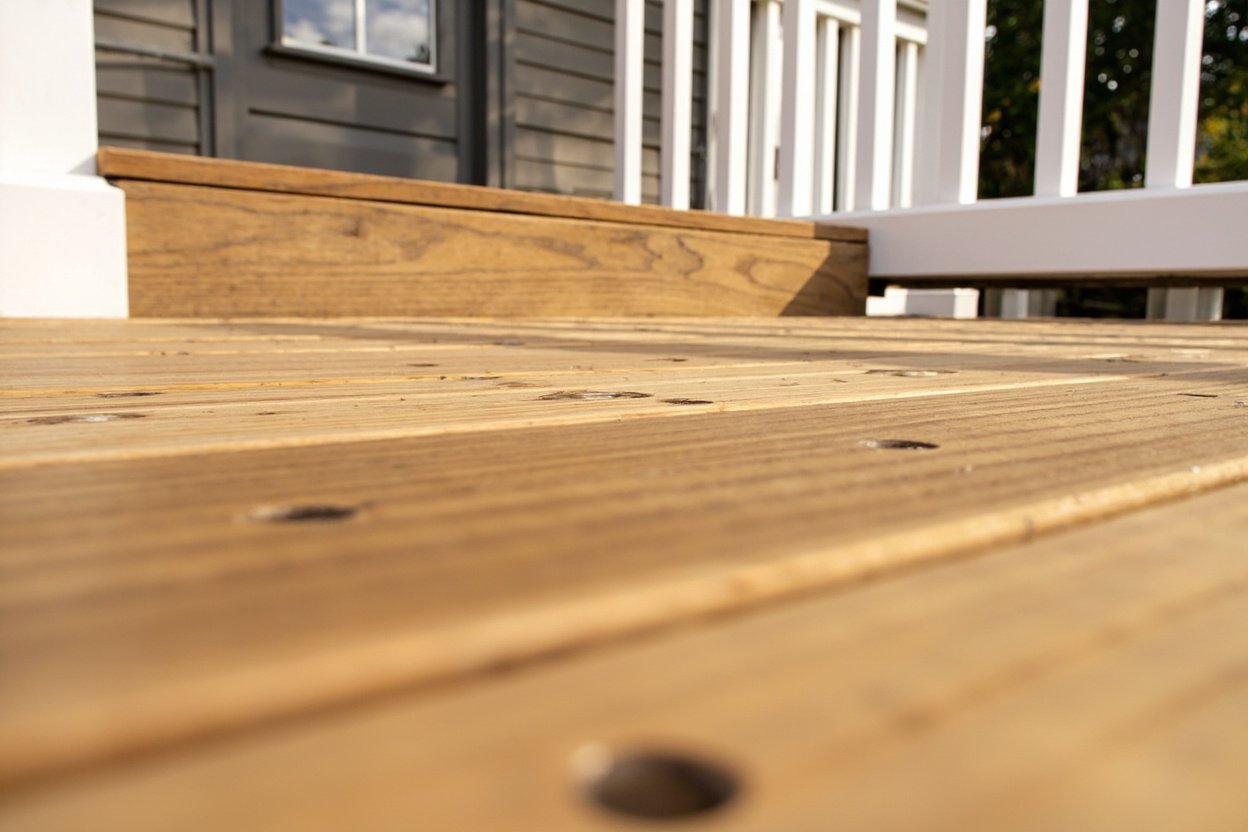
deck rebuild Boston
Professional deck and porch craftsmanship by Advanced Deck & Porch

Properties in historic neighborhoods like Brookline, Wellesley, and Quincy often have older decks that were constructed to different building standards. A deck rebuild offers the opportunity to bring your outdoor space up to current code requirements while improving both safety and aesthetics.

Key Decisions During a Deck Rebuild Project

Every deck rebuild involves several important choices that affect long-term performance and maintenance needs. Working with an experienced contractor helps you navigate these decisions based on your specific situation.

Choosing the Right Deck Materials

Modern deck materials fall into several categories, each with distinct characteristics. Traditional pressure-treated lumber remains popular due to its affordability and availability. Composite decking has gained considerable market share because of its low maintenance requirements and resistance to moisture and insect damage. PVC options offer similar benefits with different aesthetic qualities.

For Boston-area properties, material selection should account for sun exposure, proximity to trees and foliage, and how you plan to use the space. A south-facing deck in Wayland will face different demands than a shaded deck behind a historic Milton home.

Structural Framing and Load Requirements

The foundation of any successful deck lies in proper structural framing. During a rebuild, contractors assess the existing footings, support posts, and joist system to determine what can be salvaged and what requires replacement. In many cases, a complete deck rebuild means starting fresh with new posts set below the frost line to prevent shifting during winter months.

Building codes in Greater Boston communities have specific requirements for deck construction, including minimum post sizes, joist spacing, and connection methods. These standards exist to ensure your deck can safely support intended loads.

Railing Safety and Stairs

Railings and stairs often represent the most noticeable safety elements of any deck. Building codes mandate specific railing heights, baluster spacing, and stair dimensions that protect family members and guests. A thoughtful deck rebuild addresses these requirements while maintaining the visual appeal of your outdoor space.

Boston homeowners should note that many municipalities require permits and inspections for deck projects, particularly those involving structural changes or additions. Your contractor should be familiar with local requirements in your specific town.

Planning Your Deck Rebuild Timeline

Timing matters when planning a deck rebuild in Massachusetts. Spring through early fall typically offers the best conditions for construction, though experienced contractors can work through most months. Early planning allows you to secure materials, obtain necessary permits, and coordinate scheduling around your calendar.

Consider how a deck rebuild fits into your broader maintenance planning. Combining the project with other exterior improvements, such as porch repairs or landscaping updates, can minimize disruption to your property.

What to Expect During Construction

A professional deck rebuild involves several phases. Initial work focuses on dismantling the existing structure and disposing of materials responsibly. New construction then proceeds through foundation preparation, framing assembly, decking installation, and finishing details like trim and railings.

Communication with your contractor throughout the process helps ensure the project meets your expectations. Discuss any concerns about access, property protection, or schedule adjustments early to avoid misunderstandings.

Here are several factors that typically influence deck rebuild timelines:

  • Scope of demolition required for existing structures
  • Material availability and delivery schedules
  • Permit processing times in your specific municipality
  • Weather conditions during the construction period
  • Complexity of custom features or design elements

Most straightforward deck rebuild projects proceed efficiently once materials are confirmed and permits are secured.

Making the Most of Your New Deck

Once construction is complete, establishing a maintenance routine helps protect your investment for years to come. Regular cleaning, annual inspections of connections and fasteners, and addressing any minor issues promptly all contribute to long-term performance.

Composite decking and other modern materials require less ongoing maintenance than traditional wood, though no outdoor structure is completely maintenance-free. Your contractor can provide specific guidance based on the materials used in your project.

Ready to discuss your project? Visit our deck and porch services page or call (857) 837-2100 to schedule a free onsite estimate.


Advanced Deck & Porch is a brand owned and operated by Sun Shore Construction. All estimates, contracts, and construction services are provided by Sun Shore Construction.


Advanced Deck & Porch | Boston Deck Builder
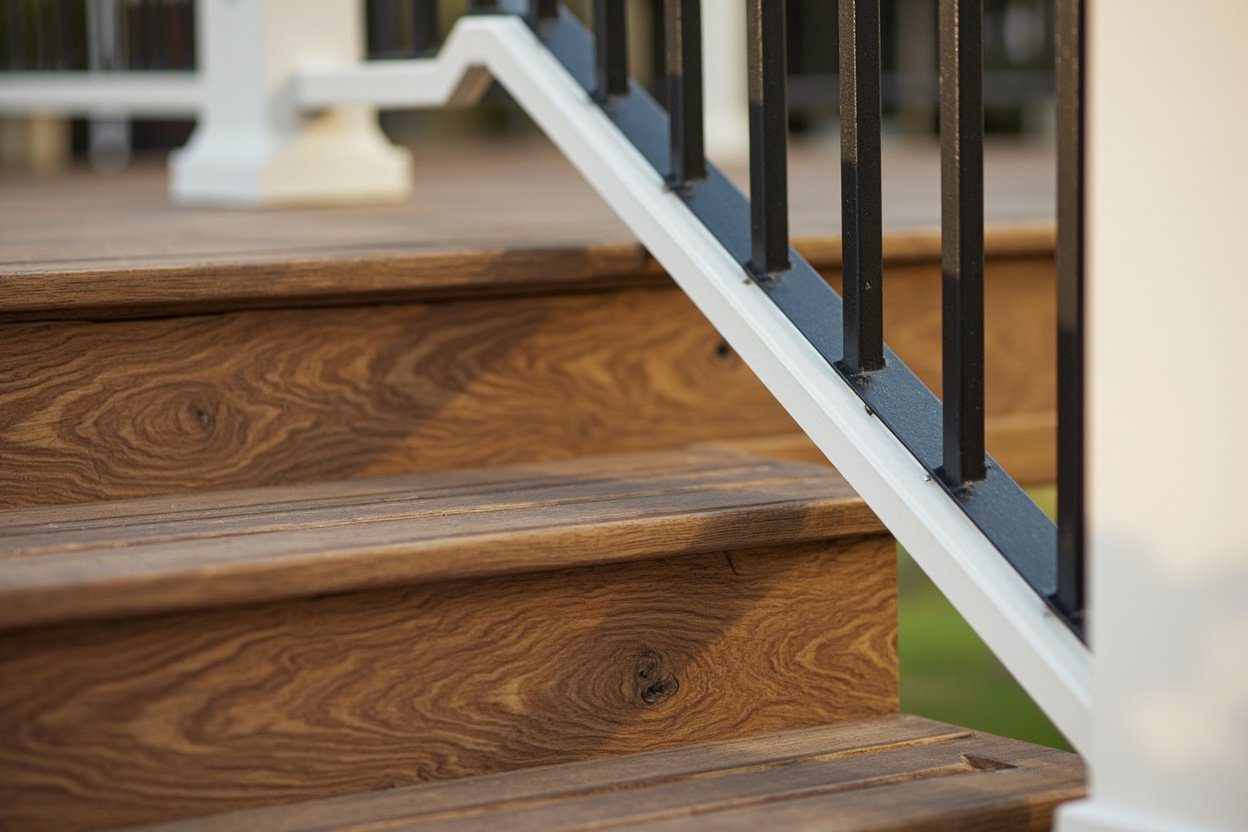
Thursday, September 24, 2026

Your Complete Guide to Hiring a Deck Builder in Newton MA and Greater Boston

When you are ready to add living space to your home with a new deck or update an existing one, choosing the right deck builder in Newton MA makes all the difference. A well-built deck increases your home value, expands your outdoor living area, and provides a safe space for family gatherings throughout the seasons. At Advanced Deck & Porch, we have built hundreds of decks for homeowners across Newton, Boston, and the surrounding Greater Boston communities. Here is what you should know before starting your project.

Why Newton Homeowners Trust Local Deck Builders

Newton has a mix of historic homes and newer construction, and each presents unique challenges for deck construction. Local deck builders understand the specific requirements of Massachusetts weather exposure, local building codes, and the types of existing structures found throughout Newton neighborhoods. Our team has experience working with homes in Newton Centre, Waban, West Newton, and beyond.

deck builder Newton MA
Professional deck and porch craftsmanship by Advanced Deck & Porch

New England weather puts decks to the test. From heavy snow in winter to humid summers, your deck materials and structural framing must be built to last. Working with a local contractor means we understand how freeze-thaw cycles affect deck foundations and why proper structural framing matters from day one.

Understanding Deck Materials and Your Options

Choosing deck materials is one of the most important decisions in your project. Today, homeowners have several solid options, each with distinct advantages.

Pressure-treated lumber remains a popular choice because of its affordability and durability when properly maintained. It handles Massachusetts weather well and can be stained or painted to match your home.

Composite decking has become increasingly popular among homeowners who want low maintenance without sacrificing appearance. Made from a blend of wood fibers and recycled plastics, composite decking resists fading, staining, and moisture damage. For busy families who want to spend time enjoying their deck rather than maintaining it, composite is worth considering.

Hardwood options like ipe provide exceptional beauty and longevity but come with a higher price tag and require specific installation techniques.

Structural Framing and Safety Features That Matter

A beautiful deck is only as good as what you cannot see beneath the surface. Proper structural framing is the backbone of any safe deck, and this is where experience truly counts. Our team pays close attention to ledger board attachment, support posts, and beam sizing to ensure your deck meets or exceeds building code requirements.

Railing safety is another critical consideration, especially for raised decks or homes with children. Newton building codes specify minimum railing heights, spacing between balusters, and load requirements. We install code-compliant railings using a variety of materials including aluminum, vinyl, and composite to match your style preferences.

Deck stairs require careful planning as well. Proper stair dimensions, secure stringer attachment, and slip-resistant treads keep your family safe when accessing your deck. We build stairs that are comfortable to walk on and meet all relevant safety standards.

Navigating Permits and Planning for Your Project

Before construction begins, most deck projects in Newton and surrounding towns require building permits. The permit process ensures your deck meets local codes for structural integrity, safety, and proper placement on your property. Our team is familiar with permit requirements throughout Greater Boston and can guide you through the process.

Maintenance planning should start during the design phase, not after. Different deck materials have different care requirements. A pressure-treated deck benefits from periodic sealing. Composite decking typically needs only occasional cleaning. We help homeowners understand what to expect so you can plan accordingly.

Here is a quick overview of what affects deck project timelines in our area:

  • Permit application and approval typically takes two to four weeks depending on your town
  • Design discussions and material selection can be completed in one to two meetings
  • Construction time varies based on deck size and complexity
  • Weather conditions may influence scheduling during winter months

Why Choose Advanced Deck & Porch

Advanced Deck & Porch is a team of experienced deck and porch builders serving homeowners throughout Boston, Greater Boston, and MetroWest. We handle new deck construction, deck rebuilds, deck repairs, deck stairs, deck railings, front porch construction, and porch repairs.

Our team takes pride in clear communication, honest estimating, and quality craftsmanship on every project. We understand that a deck project is an investment in your home, and we treat every project with the care it deserves.

We work closely with homeowners to design decks that match their lifestyle, budget, and the character of their home. Whether you have a craftsman bungalow in Brookline or a contemporary house in Wellesley, we have solutions that work.

Beyond new construction, we also help homeowners with existing decks that need repairs or updates. If your current deck has loose railings, damaged boards, or structural concerns, we can assess the condition and recommend the right solution.

Getting Started on Your Newton Deck Project

Planning a deck project starts with a conversation. We offer free onsite estimates where we visit your property, discuss your goals, and provide honest recommendations based on your specific situation. There is no obligation and no pressure.

If you are considering a front porch addition or need repairs to an existing porch structure, we can help with that as well. Porch construction in our area requires attention to historic compatibility in many neighborhoods, and we have experience navigating those considerations.

The right deck builder makes your project smoother from start to finish. We handle the details so you can focus on imagining all those summer cookouts and fall evenings on your new outdoor space.

Ready to discuss your project? Visit our deck and porch services page or call (857) 837-2100 to schedule a free onsite estimate.


Advanced Deck & Porch is a brand owned and operated by Sun Shore Construction. All estimates, contracts, and construction services are provided by Sun Shore Construction.


Advanced Deck & Porch | Boston Deck Builder
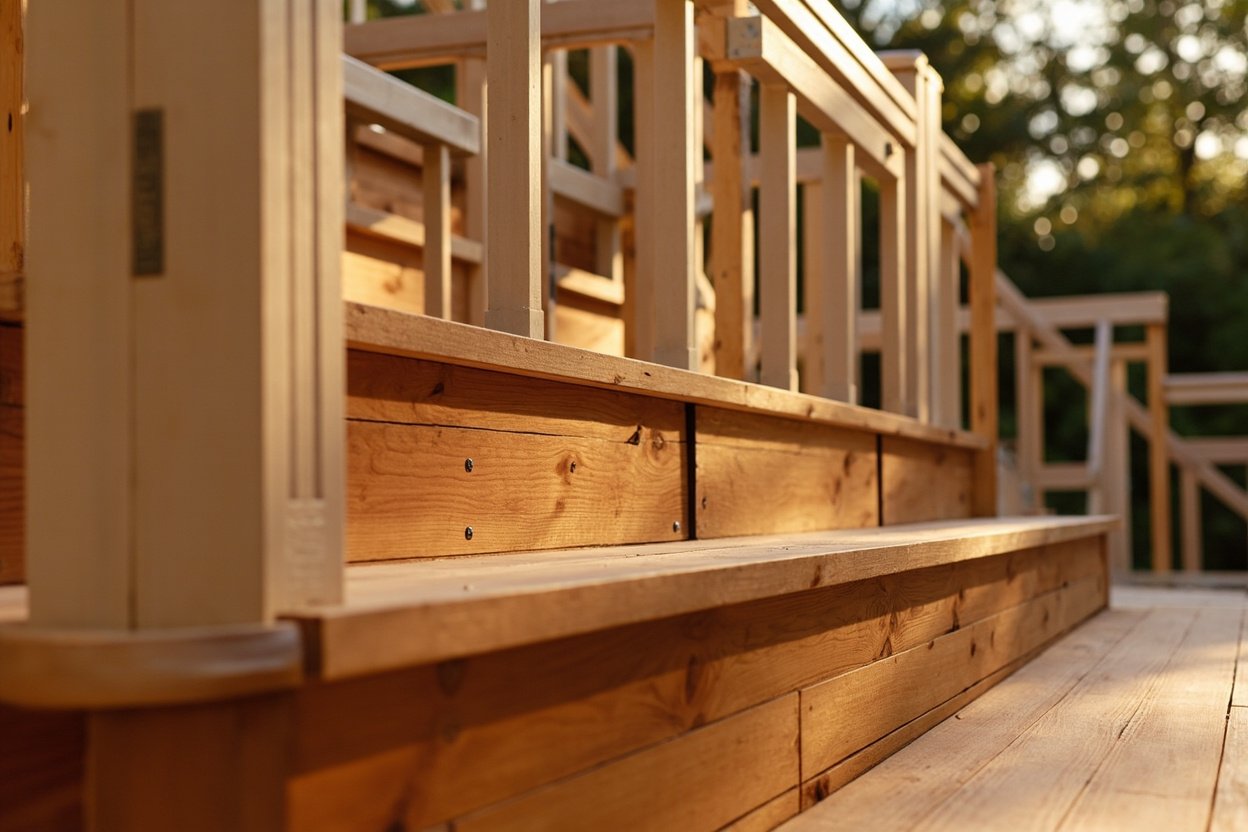
Why More Boston Homeowners Are Choosing Composite Deck Installation

When it comes to expanding your living space outdoors, a professionally installed composite deck can transform your backyard into an extension of your home. For homeowners in Boston, Greater Boston, and MetroWest communities like Newton, Brookline, and Wellesley, the decision to invest in composite decking goes beyond aesthetics—it is about making a smart, long-term investment that stands up to New England weather.

Understanding Composite Decking and Why It Works for Boston Homes

Composite decking has evolved significantly over the years, offering homeowners a durable alternative to traditional wood. Made from a blend of recycled wood fibers and plastic, composite boards resist moisture, fading, and insect damage—challenges that Massachusetts decks face year after year. Unlike natural wood, which requires annual staining, sealing, and constant maintenance, composite decking maintains its appearance with minimal upkeep.

composite deck installer Boston
Professional deck and porch craftsmanship by Advanced Deck & Porch

The climate in the Boston area presents unique challenges for outdoor structures. From humid summers to harsh winters with freezing temperatures and heavy snow, your deck endures significant weather exposure throughout the year. Composite materials are designed to handle these temperature fluctuations without warping, cracking, or splintering, giving Greater Boston homeowners peace of mind season after season.

The Importance of Proper Structural Framing

No matter how high-quality your deck materials are, the longevity of your project depends entirely on what lies beneath the surface. Proper structural framing forms the backbone of any successful deck installation. Experienced composite deck installers in Boston understand that the framing must be designed to support the specific weight requirements and environmental loads unique to each property.

Local building codes in communities like Lexington, Needham, and Weston require specific framing specifications, including proper beam sizing, joist spacing, and ledger board attachment to the home. These requirements exist to ensure your deck remains safe and stable under snow loads, furniture weight, and regular foot traffic. Professional installers account for proper ventilation beneath the deck structure to prevent moisture accumulation that could compromise the framing over time.

Railing Safety and Stairs: Non-Negotiable Elements

Railing safety is one of the most critical aspects of any deck or porch project. Building codes throughout Massachusetts mandate specific height requirements, baluster spacing, and load-bearing capacity for railings. Whether you are considering classic wood railings, aluminum systems, or composite-compatible options, the installation must meet or exceed safety standards.

Deck stairs require equal attention to detail. Proper stair design includes consistent riser heights, appropriate tread depth, and secure attachment to the deck structure. For homeowners in hilly areas like Milton, Canton, or Acton, stairs may be an essential part of accessing different yard levels. Front porch construction and repairs in these communities often involve integrating stairs that match the architectural style of the existing home while meeting current code requirements.

Planning Your Project: Permits and Seasonal Considerations

Before beginning any deck construction or rebuild in Boston or surrounding communities, understanding the permit process is essential. Most municipalities require building permits for new deck construction, with specific requirements varying by town. Cities like Quincy, Braintree, and Weymouth have their own zoning regulations regarding setbacks, height restrictions, and proximity to property lines. Working with an experienced contractor who understands local requirements in Natick, Wayland, Bedford, and Burlington can streamline this process significantly.

Timing your project wisely makes a difference in the Boston area. Spring and early summer are popular seasons for deck installations, but scheduling during the planning phase in late winter or early spring often results in smoother project timelines. This advance planning allows for permit approvals, material ordering, and scheduling to align before peak construction season.

Maintenance Planning for Long-Term Performance

While composite decking requires far less maintenance than wood, some ongoing care helps protect your investment. Regular cleaning with mild soap and water keeps the surface looking its best. Maintaining proper drainage away from the deck structure prevents water from pooling and causing issues over time. Checking railings and stairs periodically for any loose components ensures continued safety for your family and guests.

Creating a maintenance schedule with your deck installer provides clarity on what to expect in the years following installation. Reputable contractors will guide you through care recommendations specific to the composite products installed on your project.

Choosing the Right Contractor for Your Boston Deck Project

Finding a qualified composite deck installer in Boston means looking beyond the initial price estimate. The experience of the crew, the quality of materials offered, and the contractor’s knowledge of local building codes all factor into a successful project. Whether you need a complete deck rebuild in Westwood, repairs to an existing structure in Norwood, or a new front porch in Wellesley, working with professionals who understand the unique needs of MetroWest homeowners makes a meaningful difference.

Ask potential contractors about their experience with structural framing, their approach to weather exposure solutions, and their familiarity with your specific community’s permit requirements. A thorough contractor will walk you through material options, design considerations, and realistic project timelines.

Ready to discuss your project? Visit our deck and porch services page or call (857) 837-2100 to schedule a free onsite estimate.


Advanced Deck & Porch is a brand owned and operated by Sun Shore Construction. All estimates, contracts, and construction services are provided by Sun Shore Construction.


Advanced Deck & Porch | Boston Deck Builder
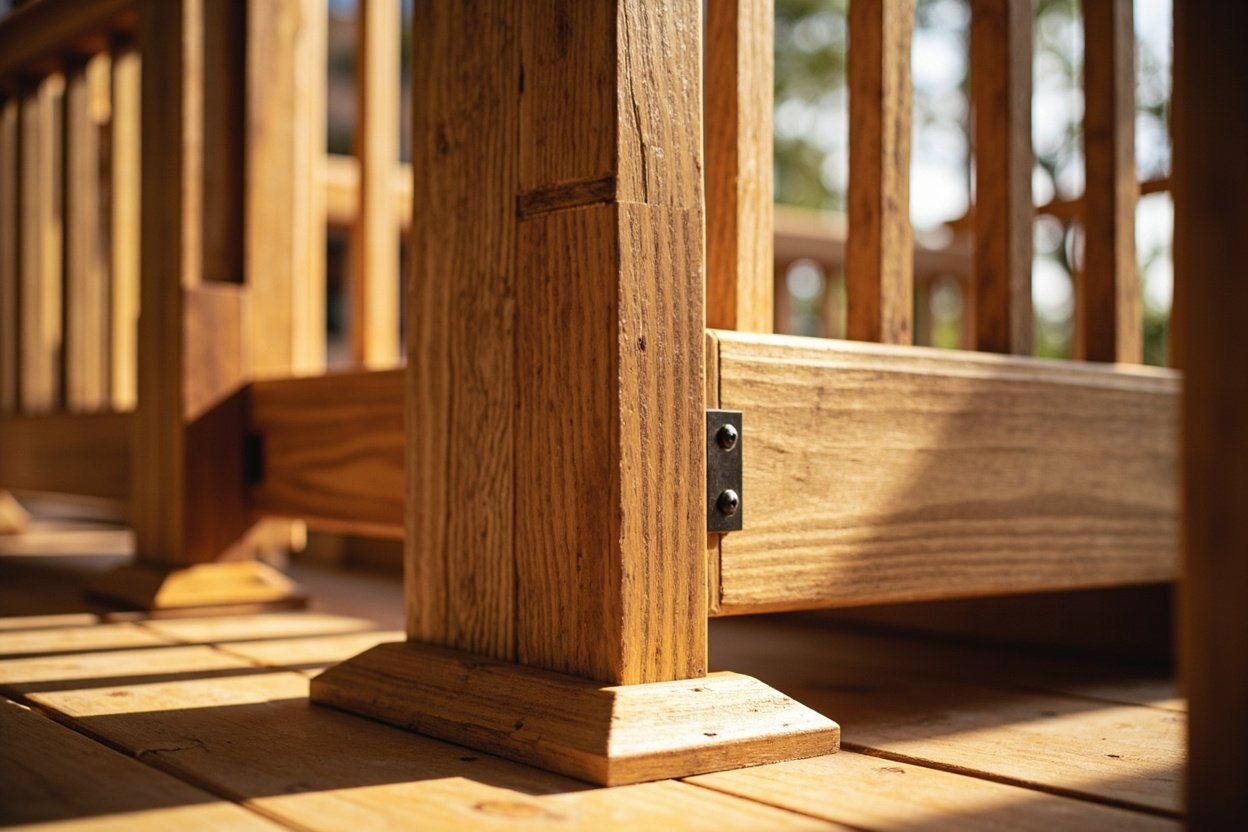
Deck Builder Brookline MA: What Every Homeowner Needs to Know Before Building

Building a new deck or renovating an existing one is a significant investment for any homeowner in the Greater Boston area. The climate here presents unique challenges that require careful planning, quality materials, and experienced craftsmanship. If you are searching for a trusted deck builder in Brookline MA, understanding what goes into a well-built deck can help you make informed decisions for your home.

Why Brookline and Greater Boston Homes Need Special Consideration

The New England climate means your deck faces weather exposure unlike nearly anywhere else in the country. From heavy snow loads in winter to humid summers and freeze-thaw cycles in spring and fall, deck materials and structural framing must be designed to withstand these conditions year after year. Proper flashing, drainage considerations, and appropriate material choices all play a role in extending the life of your outdoor space.

deck builder Brookline MA
Professional deck and porch craftsmanship by Advanced Deck & Porch

Local building codes in Brookline and surrounding towns also require specific permits and inspections for deck construction. Working with an experienced contractor who understands these requirements helps ensure your project moves forward smoothly and meets all safety standards.

Choosing the Right Deck Materials for New England

When planning your deck, one of the most important decisions involves selecting deck materials that balance aesthetics, durability, and maintenance. Traditional pressure-treated lumber remains popular for its affordability and availability, but it does require regular sealing and staining to prevent splitting and decay.

Composite decking has become increasingly popular among Brookline homeowners for several reasons. Made from a combination of recycled wood fibers and plastic, composite boards resist rotting, warping, and insect damage far better than natural wood. While the upfront cost is higher, the reduced maintenance requirements over time often make it a cost-effective choice. Most composite decking products also offer excellent resistance to the moisture and temperature fluctuations we experience in this region.

Other options include cedar and redwood, which naturally resist decay but still benefit from periodic maintenance to preserve their appearance and structural integrity.

Structural Framing: The Foundation of a Safe Deck

A beautiful deck surface means nothing without proper structural framing underneath. The framing must be designed to support not just the weight of furniture and people, but also the additional burden of snow accumulation during Massachusetts winters. This is why proper beam sizing, joist spacing, and hardware connections matter so much.

Footings must extend below the frost line to prevent heaving during freeze-thaw cycles. In the Brookline area, this typically means footings going down at least 48 inches, though specific requirements can vary by location and soil conditions. Our team carefully assesses each property to ensure the foundation is solid before any construction begins.

Using pressure-treated lumber for all ground-contact framing members and applying proper flashing where the deck attaches to the house helps prevent moisture damage and extends the life of your investment.

Deck Stairs and Railing Safety Requirements

Stairs and railing safety are critical components of any deck, both for code compliance and for protecting your family and guests. Deck stairs must meet specific requirements for rise and run dimensions, handrail placement, and landing areas. The handrail must be graspable and positioned at the correct height to provide reliable support.

Railings are another area where code compliance is essential. Most jurisdictions require railings on any deck surface more than 30 inches above grade. Beyond safety requirements, railings also offer an opportunity to enhance your deck’s appearance. Options range from traditional wood balusters to aluminum, vinyl, and composite railing systems that complement various architectural styles.

At Advanced Deck & Porch, we pay close attention to every detail of your stairs and railings, ensuring they are not only code-compliant but also comfortable and attractive.

Front Porch Construction and Porch Repairs

Many homes in Brookline and Newton feature traditional front porches that add character and curb appeal. Whether you need front porch construction for a new home or porch repairs for an aging structure, the same principles of quality materials and expert craftsmanship apply.

Porch repairs often involve addressing damaged flooring, weakened structural members, or deteriorating trim and detailing. We inspect the entire structure to identify any hidden issues that might not be immediately apparent, then develop a comprehensive plan to restore your porch to good condition.

For new porch construction, we work with homeowners to design spaces that complement their home’s architecture while providing functional outdoor living areas. Proper ventilation, appropriate decking materials, and attention to flashing details around the house connection all contribute to a long-lasting porch.

Planning Your Deck Project in Brookline

Thoughtful maintenance planning begins during the design phase. Considering how you plan to use your deck—whether for quiet morning coffee, weekend entertaining, or as a space for children and pets—helps us tailor the design to your needs. Placement of stairs, seating areas, and any built-in features should all be determined before construction begins.

Seasonal timing also matters for deck projects in New England. While we can build year-round, many homeowners prefer to schedule projects during spring through fall when outdoor construction is most comfortable. However, planning ahead during winter months can mean you’re ready to begin construction as soon as weather permits in spring.

The permit process in Brookline and surrounding communities typically takes several weeks, so factoring this into your timeline helps set realistic expectations. Our team handles the permitting process, working directly with local building departments to ensure all documentation is complete and approvals are obtained efficiently.

Whether you are building a new structure, rebuilding after years of use, or making targeted repairs, investing in quality construction pays dividends in durability, safety, and enjoyment for years to come.

Ready to discuss your project? Visit our deck and porch services page or call (857) 837-2100 to schedule a free onsite estimate.


Advanced Deck & Porch is a brand owned and operated by Sun Shore Construction. All estimates, contracts, and construction services are provided by Sun Shore Construction.


Advanced Deck & Porch | Boston Deck Builder
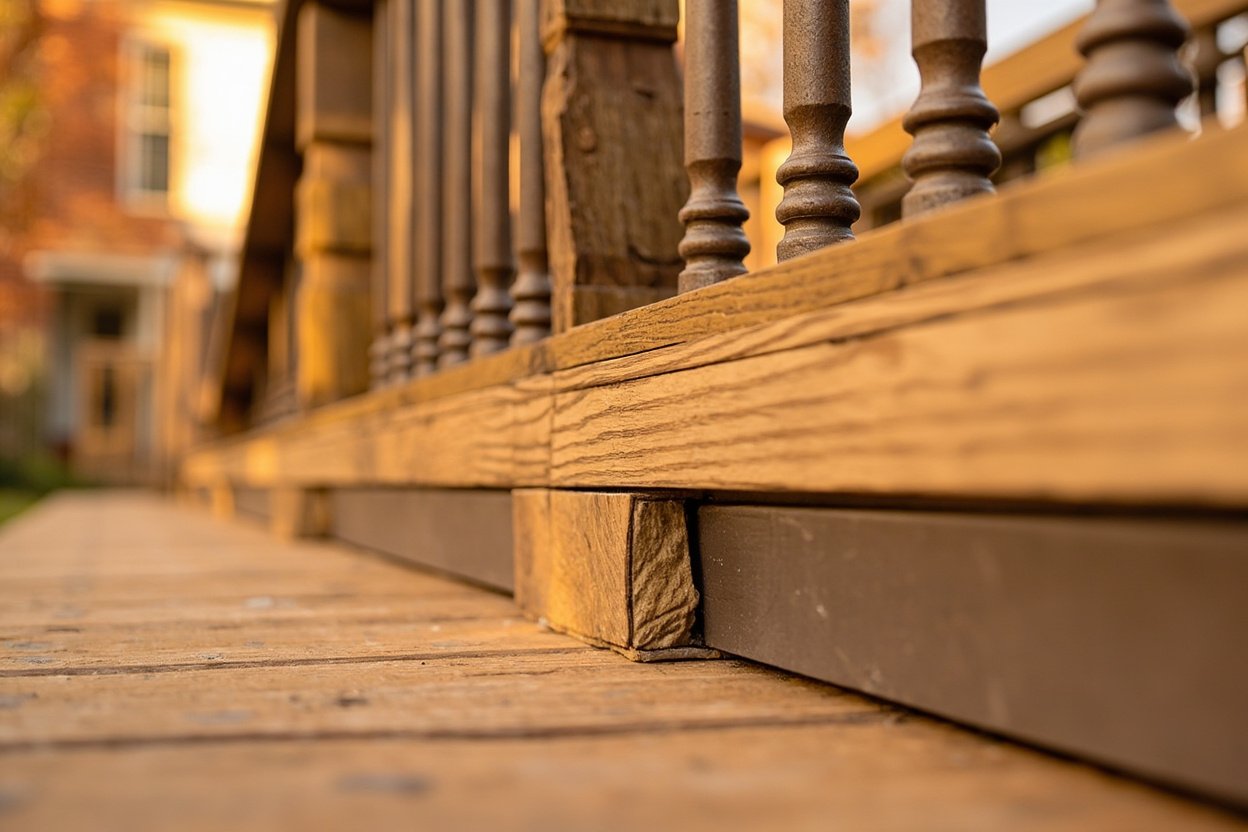
Wednesday, September 23, 2026

What to Look for in a Deck Builder in Boston: A Homeowner’s Guide

Building a deck in the Boston area is one of the most rewarding home improvement projects you can undertake. Whether you envision lazy summer afternoons on a new pressure-treated deck, morning coffee on a front porch that welcomes you home, or gatherings with friends and family on a beautifully designed outdoor space, the right deck builder makes all the difference. At Advanced Deck & Porch, we have spent years helping homeowners across Greater Boston, MetroWest, and surrounding communities transform their outdoor living dreams into functional, lasting structures.

Why Boston-Area Homeowners Need a Specialized Deck Builder

New England weather presents unique challenges that deck builders in other parts of the country simply do not face. Our harsh winters, humid summers, and dramatic freeze-thaw cycles put tremendous stress on outdoor structures. A deck built without proper consideration for weather exposure will not last. When you work with a local deck builder who understands Boston’s climate, you benefit from construction techniques and material choices specifically suited to our regional conditions.

deck builder Boston
Professional deck and porch craftsmanship by Advanced Deck & Porch

Structural framing must account for moisture management, proper ventilation, and the expansion and contraction that occurs with seasonal temperature changes. This is not generic advice—it requires hands-on experience building decks in communities like Newton, Brookline, Wellesley, Weston, and throughout the MetroWest region.

Understanding Deck Materials for New England Winters

One of the most important decisions you will make involves choosing deck materials. Each option carries distinct advantages worth understanding.

Pressure-treated lumber remains the most budget-friendly choice and performs well when properly maintained. Regular cleaning, sealing, and inspection help protect against the moisture damage that Boston winters inevitably bring.

Composite decking has become increasingly popular among homeowners who prefer minimal maintenance. Made from a blend of recycled wood fibers and plastic, composite decking resists fading, warping, and moisture damage. For busy families in communities like Lexington, Needham, or Natick who want beautiful outdoor space without the seasonal upkeep, composite decking offers an attractive solution.

Hardwood options like ipe provide exceptional durability and a distinctive appearance, though they require more specialized care in our climate.

Your deck builder should walk you through these choices based on your budget, aesthetic preferences, and willingness to perform ongoing maintenance.

The Critical Importance of Proper Structural Framing

Beneath the surface of any quality deck lies the structural framing that determines whether your deck will remain safe and stable for decades or develop dangerous problems within years. Proper structural framing starts below the frost line with appropriately sized footings. In our area, frost depths can extend quite deep, and footings must be set below this line to prevent heaving during winter freeze-thaw cycles.

Beam sizing, joist spacing, and connection hardware all must be engineered to support the intended load. This is where the difference between a deck that lasts and one that becomes a liability becomes apparent. Experienced deck builders understand that corners cut during the framing stage create problems that manifest years later—often after the warranty has expired.

Safety Features: Railings and Stairs Matter

Railing safety is not optional—it is a legal requirement and, more importantly, a critical safety feature for your family and guests. Railings must meet specific height requirements and baluster spacing regulations. Beyond code compliance, thoughtful railing design considers visibility, hand grip, and durability against weather exposure.

Similarly, deck stairs require careful attention to rise/run ratios, landing requirements, and handrail installation. Improperly built stairs create fall hazards that are entirely preventable with proper construction techniques. Whether your project involves new deck stairs or repairs to existing stairs, these elements demand professional expertise.

Front porch construction carries its own set of considerations, particularly in historic communities like Quincy, Milton, and Canton where homes feature traditional architectural styles. A well-designed front porch enhances curb appeal while providing functional outdoor living space.

Navigating Permits and Local Regulations

Most deck construction in the Greater Boston area requires permits from the local building department. Requirements vary between communities—what is needed in Boston proper differs from what is required in Burlington, Billerica, or Wayland. A knowledgeable deck builder handles this paperwork as part of the service, ensuring your project meets all applicable codes and zoning requirements.

Setback requirements, height restrictions, and proximity to property lines all affect deck design and placement. Experienced contractors have navigated these regulations in communities throughout the service area and understand how to design decks that satisfy both your vision and local requirements.

Maintenance Planning for Long-Term Enjoyment

Regardless of which deck materials you choose, some level of ongoing care extends the life of your investment. Establishing a maintenance plan before construction begins helps you understand what to expect in the years ahead.

For wood decks, this includes regular cleaning, annual inspections for loose boards or fasteners, and periodic sealing or staining. Composite decking requires less intensive care but still benefits from occasional cleaning to prevent mold and mildew—particularly important in shaded areas or near wooded lots common in Weston, Wellesley, and Acton.

Working with a Local Deck Builder You Can Trust

Choosing a deck builder is ultimately about trust. You are inviting someone onto your property to construct a structure that will be part of your home for years to come. Look for a contractor with demonstrated experience in your specific community, transparent communication throughout the project, and a portfolio of completed work you can review.

The best deck builders in the Boston area do more than construct—they consult with you on design options, explain material trade-offs, and help you make informed decisions that fit your budget and lifestyle.

Ready to discuss your project? Visit our deck and porch services page or call (857) 837-2100 to schedule a free onsite estimate.


Advanced Deck & Porch is a brand owned and operated by Sun Shore Construction. All estimates, contracts, and construction services are provided by Sun Shore Construction.


Advanced Deck & Porch | Boston Deck Builder
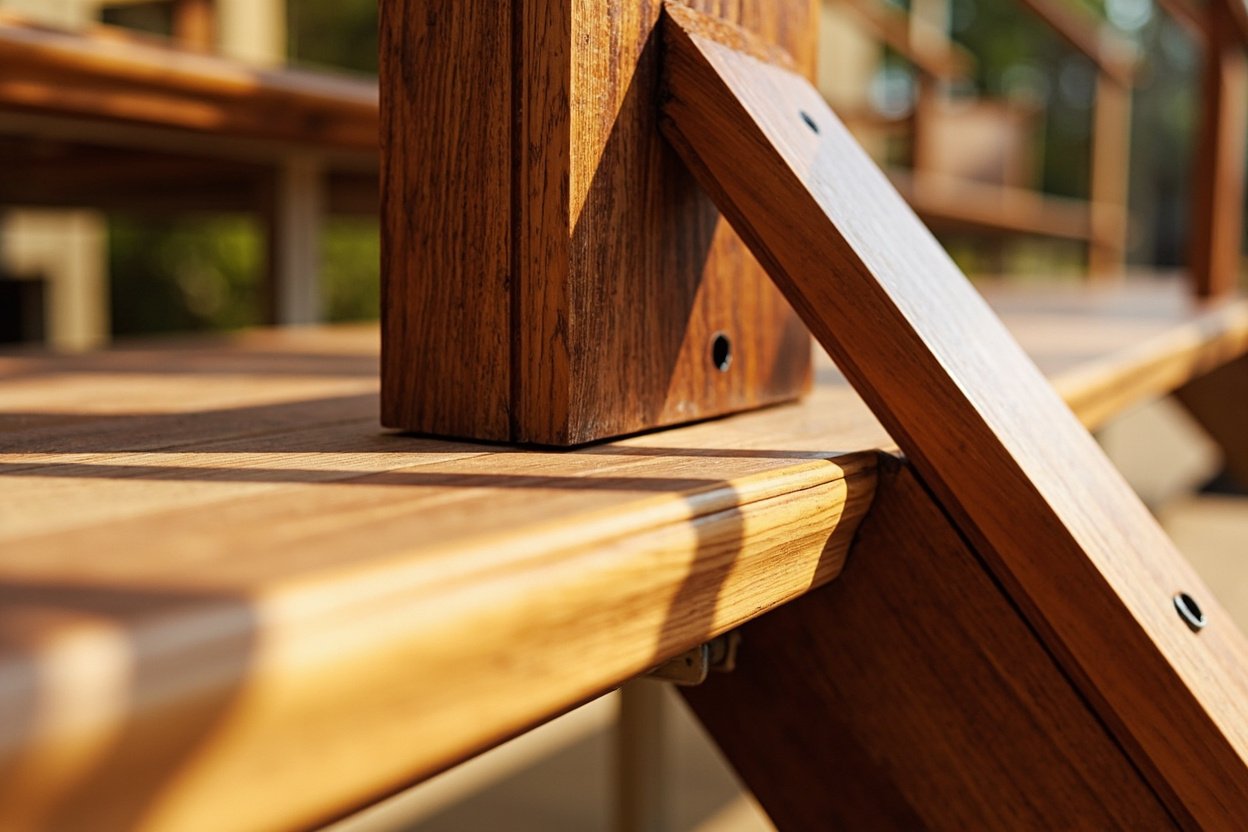
Why Boston Homeowners Trust Custom Deck Builders for Year-Round Outdoor Living

Boston’s climate presents unique challenges and incredible opportunities for homeowners dreaming of an outdoor living space. From the humid summers in Newton to the snowy winters in Wellesley, your deck or porch must be built to withstand significant weather exposure while providing a comfortable space for relaxation and entertaining. Working with a custom deck builder in Boston means investing in proper structural framing, smart material choices, and a design that truly suits your property and lifestyle.

Understanding Boston’s Climate Impact on Deck Construction

The New England weather does not forgive shortcuts. Freeze-thaw cycles in late fall and early spring put immense stress on deck materials and fasteners. A custom deck builder familiar with the Greater Boston area understands how to account for ground frost depth, proper drainage away from the home, and lumber that is appropriately treated for below-grade applications. These are not minor details—they are the difference between a deck that lasts twenty years and one that requires constant deck repairs after just a few seasons.

custom deck builder Boston
Professional deck and porch craftsmanship by Advanced Deck & Porch

Seasonal planning also matters. Spring and early summer are the most popular times for new deck construction in towns like Brookline, Weston, and Lexington, but a thoughtful approach means considering how your deck will handle autumn leaf buildup and the weight of snow accumulation on flat surfaces. A well-designed deck begins with structural framing that exceeds minimum code requirements, providing a solid foundation for whatever deck materials you choose to finish the project.

Choosing the Right Deck Materials for New England Weather

When selecting deck materials, Boston homeowners have several solid options. Traditional pressure-treated lumber remains a cost-effective choice for structural components and decking, but it requires ongoing maintenance including annual cleaning and resealing. Many homeowners in Wayland, Natick, and Westwood are now choosing Composite decking for its low-maintenance qualities and resistance to moisture, warping, and insect damage.

Composite decking comes in a wide range of colors and textures, some designed to closely mimic the look of natural wood. While the upfront investment is higher than pressure-treated lumber, the long-term savings on maintenance supplies and labor make it an attractive option for busy homeowners. Your custom deck builder can help you weigh the pros and cons of different materials based on your budget, aesthetic preferences, and willingness to perform seasonal maintenance.

The Critical Role of Deck Railings and Stairs in Safety

Railing safety is not an area where shortcuts should be taken. Boston building codes are specific about baluster spacing, handrail height, and the strength of railing systems. Whether you are adding deck railings to a raised deck in Burlington or installing a front porch in Quincy, code compliance protects your family and is required before you can pass a final inspection.

Stairs deserve equal attention. Deck stairs must be built with proper rise and run measurements to be comfortable and safe for daily use. Open-sided stairs require railing systems on both sides, and all stairs need secure attachment to the structural framing of the deck. A reputable custom deck builder will ensure that your stairs meet or exceed code requirements, using proper hardware and blocking to create a solid connection between the stairs and the deck frame.

Navigating Permits and Planning for Your Deck Project

Most municipalities in the Greater Boston area require permits for new deck construction and significant deck rebuilds. Towns like Wellesley, Lexington, and Needham have specific zoning requirements regarding lot coverage, setback distances from property lines, and height limitations for structures. A knowledgeable custom deck builder will be familiar with the permit process in your town and can handle the application process, ensuring that your plans comply with local regulations before construction begins.

Maintenance planning should also begin during the design phase. Think about how the deck will be cleaned, what annual tasks will be required, and how the space will be used throughout the year. Decks used heavily in summer may show wear faster than those used occasionally. Planning for furniture placement, lighting, and potential future features like built-in seating or a pergola will help you make decisions during construction that would be expensive to add later.

When to Consider Deck Repairs vs. Full Deck Rebuilds

Not every aging deck needs to be completely replaced. Minor deck repairs, such as replacing damaged boards, tightening loose fasteners, or reinforcing wobbly railings, can extend the life of a structurally sound deck. However, if your deck shows signs of widespread rot, especially at the ledger board connection to your home, or if the framing is compromised, a full deck rebuild may be the safer and more cost-effective choice in the long run.

A professional assessment from an experienced contractor can help you understand the true condition of your existing deck. Advanced Deck & Porch provides honest evaluations for homeowners throughout Boston, Quincy, Braintree, and the surrounding MetroWest communities. If repairs make sense, we will recommend them. If a rebuild is the better option, we will explain why and provide a clear plan for moving forward.

Building a Front Porch That Enhances Your Home

Front porch construction in Boston’s historic neighborhoods requires sensitivity to the existing architecture of your home. Whether you live in a Colonial in Milton, a Victorian in Canton, or a contemporary home in Acton, a well-designed porch should complement your house rather than fight with its style. This means paying attention to roof pitch, column sizing, railing design, and the proportion of the porch to the overall facade.

Porch repairs are also common in older homes where the original structure may have settled over time or where wood components have rotted due to water intrusion. Addressing these repairs promptly prevents further damage to the underlying structure and helps maintain the value and curb appeal of your home.

Ready to discuss your project? Visit our deck and porch services page or call (857) 837-2100 to schedule a free onsite estimate.


Advanced Deck & Porch is a brand owned and operated by Sun Shore Construction. All estimates, contracts, and construction services are provided by Sun Shore Construction.


Advanced Deck & Porch | Boston Deck Builder
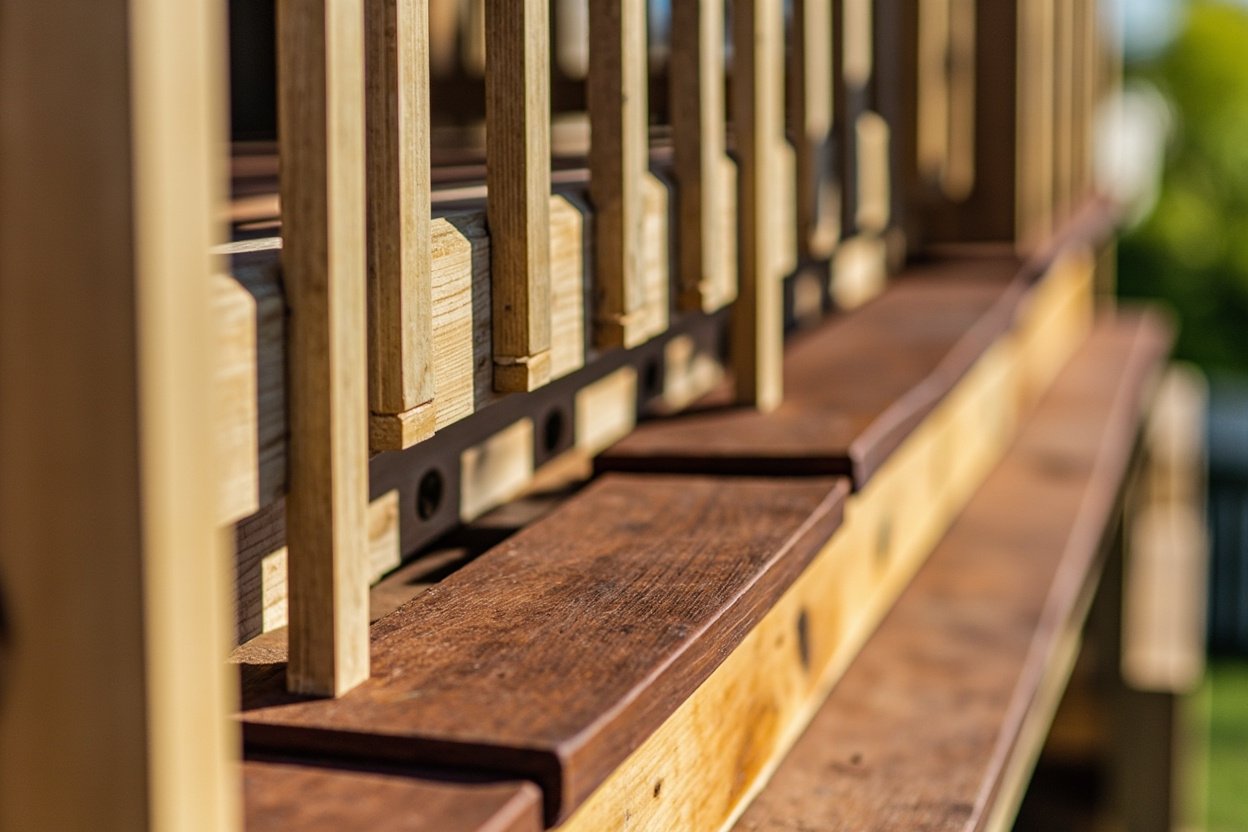
What to Look for in a Deck Builder in Brookline MA and the Greater Boston Area

Building a deck is a significant investment in your home, and finding the right deck builder in Brookline MA or the Greater Boston area requires careful consideration. The New England climate presents unique challenges, from harsh winters to humid summers, and local building codes vary across communities. Understanding what sets apart quality deck construction from substandard work will help you make an informed decision for your home.

Understanding Local Building Requirements

Every town in the Greater Boston area has its own set of building codes and permit requirements. Communities like Brookline, Newton, and Wellesley have specific regulations governing deck construction, including setback requirements, height restrictions, and structural standards. A qualified deck builder should be thoroughly familiar with these local requirements and guide you through the permit process.

deck builder Brookline MA
Professional deck and porch craftsmanship by Advanced Deck & Porch

Before any construction begins, proper permitting is essential. This includes submitting detailed plans, undergoing inspections, and ensuring your deck meets all safety standards. Working with a builder who understands the intricacies of local regulations helps avoid costly delays and ensures your project proceeds smoothly from start to finish.

Material Options for Boston Area Decks

Choosing the right deck materials is one of the most important decisions you’ll make. Traditional pressure-treated lumber remains popular due to its affordability and availability. Cedar and redwood offer natural beauty with inherent resistance to decay, though they require more maintenance over time.

Composite decking has become increasingly popular among homeowners seeking low-maintenance options. Made from a combination of wood fibers and recycled plastics, composite decking resists fading, staining, and moisture damage. For Boston area homes exposed to significant weather exposure throughout the year, composite materials can be an excellent choice that reduces long-term maintenance planning while maintaining attractive appearance.

The Importance of Proper Structural Framing

The longevity and safety of your deck depend largely on what lies beneath the surface. Proper structural framing forms the backbone of any quality deck, supporting everything from foot traffic to furniture and snow loads during winter months.

Quality deck builders use appropriately sized lumber for joists and beams, ensuring adequate support for the intended load. They also pay close attention to hardware choices, using corrosion-resistant fasteners and connectors designed to withstand New England weather conditions. Proper flashing and ventilation help protect the structure from moisture damage over time.

Safety Features: Railings and Stairs

Railing safety is not just an aesthetic choice—it is a critical safety requirement mandated by building codes. In Massachusetts, deck railings must meet specific height and baluster spacing requirements to prevent accidents. Professional deck builders understand these requirements intimately and ensure all railings meet or exceed safety standards.

When considering railing options, you have several choices including traditional wood, aluminum, vinyl, and composite materials. Each offers different benefits in terms of durability, maintenance, and appearance. The key is selecting materials that provide reliable safety while complementing your home’s style.

Deck stairs require equally careful attention. Proper rise and run measurements ensure comfortable and safe navigation. Stringers must be adequately supported, and handrails are required on most stair installations. These details matter significantly for household safety, particularly for families with young children or elderly relatives.

Planning for New England Weather

Weather exposure in the Greater Boston area tests every outdoor structure. From heavy snow loads in winter to humidity and temperature fluctuations throughout the year, your deck faces considerable environmental stress. Thoughtful planning during construction helps ensure your deck withstands these conditions for years to come.

Strategic material selection plays a crucial role in durability. Composite decking offers excellent resistance to moisture and temperature changes, reducing concerns about warping, splitting, or decay. If you prefer natural wood, selecting species naturally resistant to decay and applying proper sealants helps extend your deck’s lifespan.

Maintenance planning should begin before construction is complete. Understanding what your chosen materials require—whether periodic cleaning, sealing, or inspections—helps you budget appropriately and protect your investment over time.

Working with Advanced Deck & Porch

Whether you need new deck construction, a complete deck rebuild, or targeted deck repairs, working with experienced professionals makes a meaningful difference. From initial consultation through final inspection, quality builders communicate clearly and keep homeowners informed throughout the process.

Beyond new construction, many homeowners benefit from evaluating their existing structures. Regular maintenance and timely repairs extend deck lifespan significantly. Issues with deck stairs, railings, or structural framing should be addressed promptly by qualified professionals.

Front porch construction and repairs offer similar benefits, enhancing your home’s curb appeal and functional living space. Many of the same principles regarding materials, structural framing, and weather considerations apply to porch projects as well.

Ready to discuss your project? Visit our deck and porch services page or call (857) 837-2100 to schedule a free onsite estimate.


Advanced Deck & Porch is a brand owned and operated by Sun Shore Construction. All estimates, contracts, and construction services are provided by Sun Shore Construction.


Advanced Deck & Porch | Boston Deck Builder

Tuesday, September 22, 2026

What to Expect When Hiring a Deck Contractor in Boston

Building or renovating a deck is a significant investment for any homeowner in the Boston area. Whether you are looking to create an outdoor living space in Newton, expand your back deck in Brookline, or repair an aging structure in Quincy, understanding the process helps you make informed decisions. Advanced Deck & Porch has been serving Greater Boston, MetroWest, and surrounding communities for years, and we believe that educated homeowners make the best partners in construction projects.

For homeowners comparing materials, Composite decking is one of the most popular low-maintenance options for Greater Boston outdoor projects.

Boston’s Climate Creates Unique Deck Challenges

The New England weather presents specific challenges that Boston area homeowners must consider when planning deck construction or renovation. Our region experiences freezing winters, humid summers, and significant rainfall throughout the year. This weather exposure means that every deck built in our area requires careful material selection and structural planning to withstand years of use.

deck contractor Boston
Professional deck and porch craftsmanship by Advanced Deck & Porch

Cold winter temperatures can cause materials to contract, while summer heat and humidity cause expansion. This seasonal cycle puts stress on deck components, particularly fasteners and connectors. Professional deck contractors in Boston understand these patterns and plan accordingly, using appropriate hardware and installation techniques that account for thermal movement.

Snow load is another consideration for Boston homeowners. A deck structure must be built to support the weight of accumulated snow, which can be substantial during our Nor’easters. Proper structural framing ensures your deck remains safe and stable throughout winter months.

Selecting the Right Deck Materials for New England

Choosing deck materials is one of the most important decisions you will make for your project. Traditional pressure-treated lumber remains popular due to its affordability and availability, but many Boston area homeowners are exploring other options that offer different benefits.

Composite decking has become increasingly popular in our region because it resists moisture absorption, warping, and splitting better than traditional wood. While the upfront cost is higher, many homeowners appreciate the reduced maintenance requirements and longer lifespan. Quality composite materials can last decades with minimal care, making them attractive for busy families who want to enjoy their outdoor spaces without constant upkeep.

If you prefer the natural beauty of wood, cedar and redwood offer better natural resistance to decay than pressure-treated pine. These hardwoods require more maintenance, including periodic sealing and staining, but many homeowners love their classic appearance. Your deck contractor can help you weigh the pros and cons of each material based on your budget, aesthetic preferences, and willingness to perform ongoing maintenance.

Structural Framing, Railings, and Stairs

The hidden structural framework of your deck is arguably its most critical component. Proper structural framing uses appropriately sized beams and joists, spaced according to local building codes and the planned loads. Advanced Deck & Porch pays close attention to these details because a deck that looks beautiful but has underlying structural problems can be dangerous.

Railing safety is not just an aesthetic choice—it is a legal requirement and a matter of household safety. Boston-area building codes specify minimum railing heights, spacing between balusters, and strength requirements. These regulations exist because railings prevent falls, which can cause serious injuries especially on elevated decks.

Deck stairs require similar attention to code compliance. Proper stair dimensions include tread depth, riser height consistency, and handrail requirements. Poorly constructed stairs create tripping hazards and may fail to meet local inspection requirements. Professional deck contractors ensure that every step meets the required standards.

Navigating Permits and Local Regulations

Most deck construction projects in the Boston area require building permits from your local municipality. Requirements vary by town—Boston, Newton, Brookline, Wellesley, and other communities each have their own specific codes and permit processes. Experienced deck contractors familiar with these communities can help you understand what permits your project requires.

Typically, permits are required for decks that are elevated above a certain height, those attached to existing structures, or those exceeding specific square footage thresholds. The permit process usually involves submitting detailed plans, paying applicable fees, and passing inspections at various stages of construction.

Working with a local deck contractor who understands these requirements can streamline the process considerably. They know which drawings to submit, what inspections to expect, and how to address any issues that arise during the approval process.

Planning for Long-Term Deck Maintenance

Once your new deck is complete, regular maintenance helps protect your investment for years to come. Before construction begins, it is worth thinking about the ongoing care your deck will need. Different materials require different maintenance schedules, and understanding these requirements helps you plan accordingly.

For wood decks, plan to clean and reseal every one to three years depending on weather exposure and wear patterns. Inspect annually for loose boards, protruding nails, and signs of rot, particularly in areas where water collects or snow piles during winter.

Composite decking requires less intensive care but benefits from periodic cleaning to remove dirt, pollen, and mildew. Most manufacturers recommend simple soap and water cleaning rather than pressure washing, which can damage certain composite materials.

Regardless of material choice, keeping your deck clear of standing water and snow helps extend its lifespan. Proper drainage planning during construction makes this easier, so discuss these considerations with your contractor before building begins.

Ready to discuss your project? Visit our deck and porch services page or call (857) 837-2100 to schedule a free onsite estimate.


Advanced Deck & Porch is a brand owned and operated by Sun Shore Construction. All estimates, contracts, and construction services are provided by Sun Shore Construction.


Advanced Deck & Porch | Boston Deck Builder

Bathroom Pocket Door and Decorative Glass Window in Walpole: What’s Really Involved

A Walpole bathroom rebuild: walk-in shower on a mortar base with full waterproofing, a pocket door, a window reframed with decorative glass,...