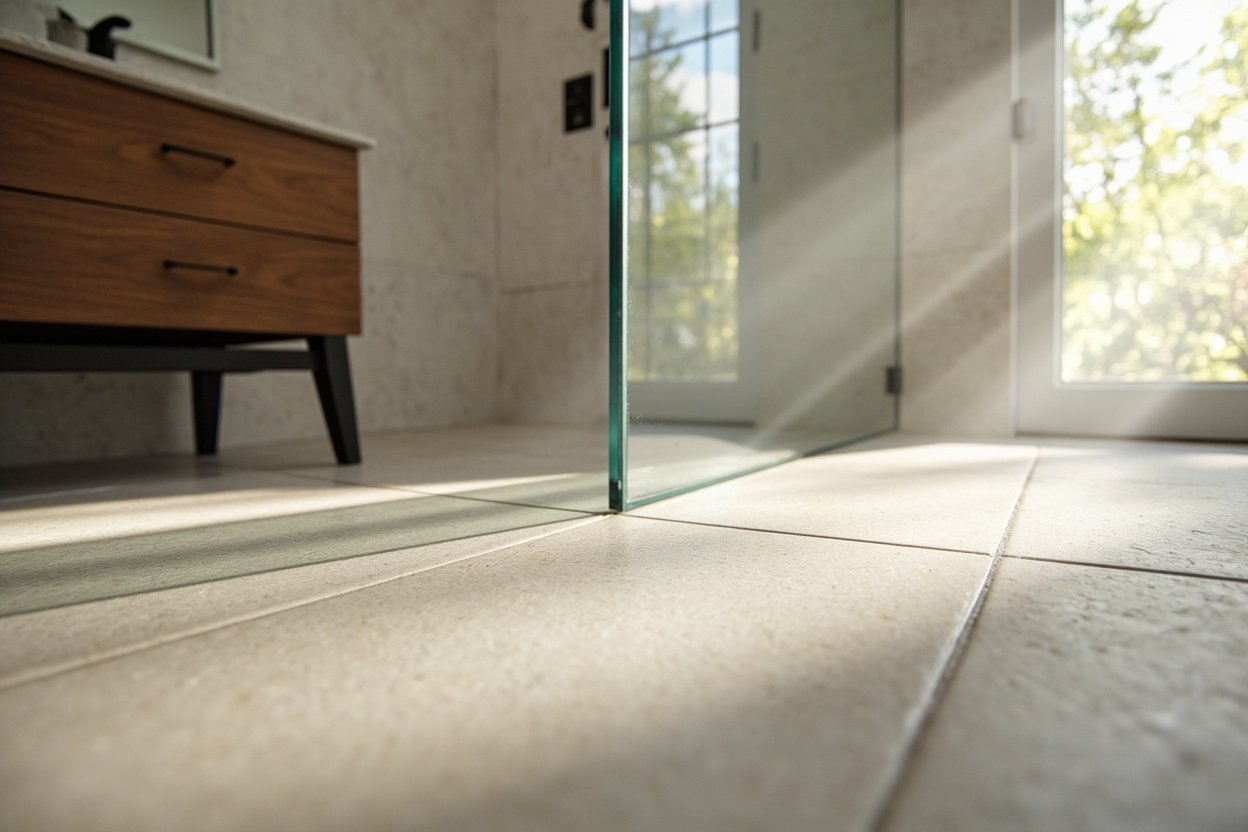
Thinking about a walk in shower remodel in Boston? You are not alone. Boston homeowners are increasingly choosing walk-in showers over traditional bathtubs, and for good reason. Whether you are dealing with an aging powder room in a historic Back Bay brownstone or updating a master bath in a newer home, understanding the process makes all the difference. This guide walks you through everything you need to know about walk in shower remodels in the Boston area.
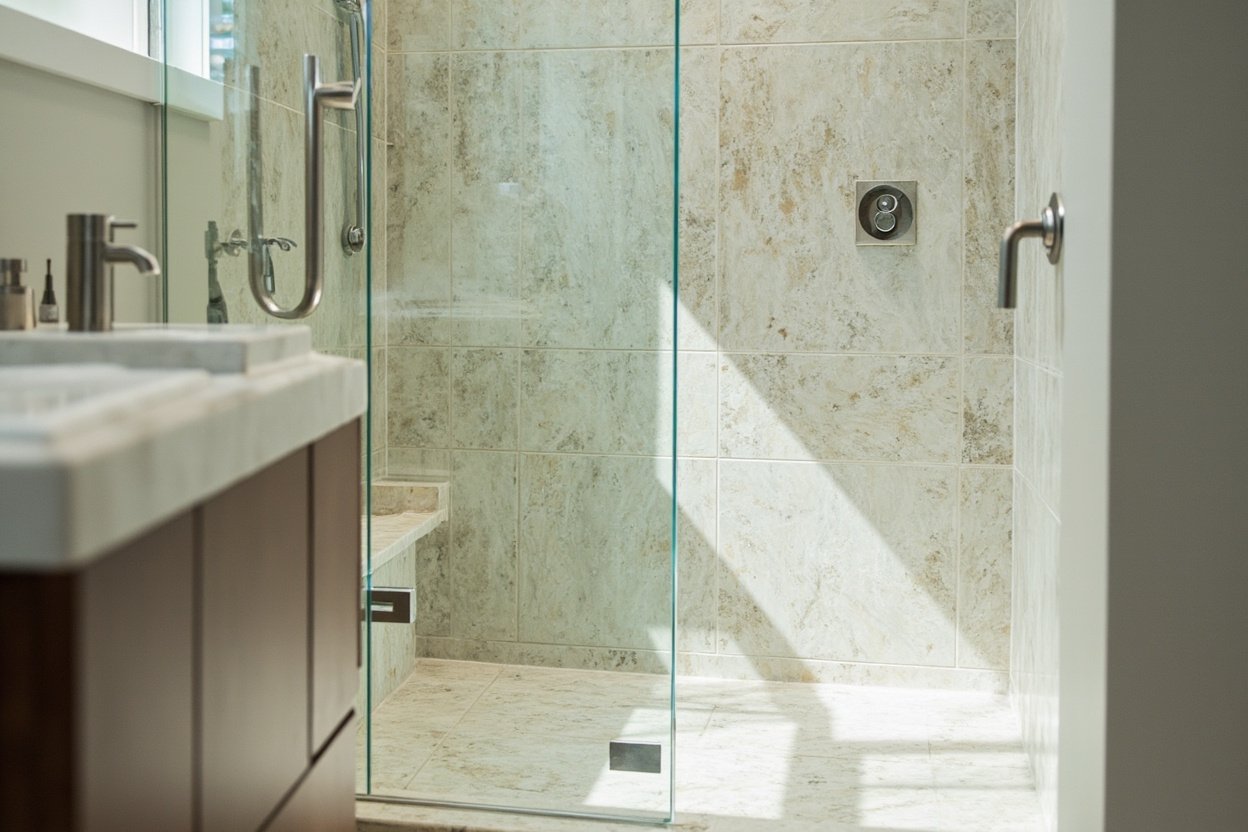
Why Boston Homeowners Are Switching to Walk-In Showers
The appeal of walk-in showers continues to grow across Greater Boston, Middlesex County, and Norfolk County. Accessibility ranks as the top reason many homeowners make the switch. Unlike traditional bathtubs, walk-in showers feature low or zero thresholds, making them easier to enter and exit. This matters particularly in our region where many residents want to age in place or accommodate family members with mobility considerations.
Beyond accessibility, walk-in showers offer practical advantages that matter in Boston homes. Our older housing stock often features smaller bathrooms where a walk-in shower can actually create a more spacious feel. Removing the bulky tub and replacing it with a sleek glass-enclosed shower instantly opens up the room. Modern walk-in showers also align well with contemporary design preferences, adding perceived value to your home.
Important Considerations for Your Boston Walk In Shower Remodel
Before diving into your walk in shower remodel Boston project, several factors deserve attention. Older homes throughout Boston present unique challenges that newer construction simply does not have.
Drainage and slope requirements often require careful evaluation in Boston bathrooms. Many older homes have floor joists that sit lower than modern standards, which can complicate proper drainage installation. Experienced contractors understand how to address these subfloor issues while maintaining code compliance.
Ventilation becomes critical in our climate. Boston winters mean windows stay closed much of the year, and proper exhaust ventilation prevents moisture buildup that leads to mold and mildew. A quality walk-in shower remodel should include assessment and upgrading of bathroom ventilation systems.
Waterproofing deserves special attention in Boston homes. The combination of older construction and our humid summers means that bathroom waterproofing must be done right. This includes proper membrane installation behind tile, sealing all joints, and ensuring any new fixtures integrate seamlessly with existing building materials.
Planning Your Walk In Shower Remodel in Boston
Every successful walk in shower remodel Boston project starts with thoughtful planning. Consider these key elements as you map out your project:
- Space constraints: Boston bathrooms frequently measure smaller than those in suburban homes. Measuring carefully and choosing appropriately sized fixtures ensures your new shower functions well without overwhelming the room.
- Existing infrastrong> Your contractor should assess current plumbing, electrical, and structural elements. Moving drain lines or water supply pipes adds significant cost, so working with existing locations often makes sense.
- Style preferences: Walk-in showers range from minimalist frameless glass designs to more elaborate custom tile installations. Your choice should reflect both your personal taste and your home’s overall aesthetic.
- Budget planning: A walk in shower remodel can range from straightforward tub-to-shower conversions to fully custom installations. Clear communication with your contractor about costs and expectations prevents surprises.
Many Boston homeowners also combine their walk-in shower project with other bathroom updates. Custom tile work, new vanities, and modern lighting can transform an outdated bathroom into something truly special. Bath Design Boston specializes in full bathroom remodels that coordinate all these elements seamlessly.
The Walk In Shower Installation Process
Understanding what happens during your walk in shower remodel helps set realistic expectations. While every project differs based on scope, most installations follow a similar pattern.
The process typically begins with demolition of the existing tub or shower. This stage reveals any hidden issues with the subfloor, wall structure, or existing plumbing. Once the space is exposed, necessary repairs and modifications occur before any new components go in.
Next comes the rough plumbing work if any modifications are needed. Water supply lines and drain connections get adjusted or upgraded as required. This phase also includes any electrical updates for lighting, ventilation fans, or heated floors that might be part of your project.
Waterproofing comes next, and this step cannot be rushed or skimped. Multiple layers of waterproof membrane get applied to walls and floors before any tile goes up. Proper curing time between stages ensures everything seals correctly.
Finally, tile installation, glass enclosure setup, and fixture installation complete the transformation. The timeline varies based on project scope, but most walk in shower remodels in the Boston area complete within the expected timeframe.
Making Your Boston Walk In Shower Remodel Successful
Success in a walk in shower remodel Boston project comes down to choosing the right contractor and making informed decisions about materials and design. Look for contractors with specific experience in your area, as they understand local building codes and common challenges in Boston homes.
Material choices matter in our climate. Porcelain and ceramic tiles handle temperature fluctuations well and resist moisture damage. Glass enclosures should use tempered safety glass and quality hardware that resists corrosion from Boston’s humidity. Selecting fixtures rated for hard water can extend their lifespan depending on your neighborhood.
Consider how your new walk-in shower will function year-round. Our heating systems run heavily during winter months, and good ventilation becomes even more important when indoor air stays dry. Your contractor should explain how your new shower integrates with your home’s overall HVAC and ventilation systems.
Ready to plan? Visit our bathroom remodeling page for Free, no-obligation estimate