
Walk-in showers have become one of the most requested upgrades among Boston-area homeowners. Whether you are remodeling a historic Back Bay brownstone, updating a mid-century colonial in Newton, or refreshing a compact condo in Cambridge, a walk-in shower remodel can transform your bathroom into a more accessible, modern, and visually open space. If you are considering this upgrade for your Greater Boston home, understanding the process, challenges, and key decisions will help you plan with confidence.
Why Walk-In Showers Are Growing in Popularity Across Boston
The demand for walk-in showers in Boston reflects broader national trends, but local factors accelerate this shift. Many older homes in Middlesex and Norfolk Counties feature bathrooms built decades ago with low-clearance bathtubs that feel cramped and difficult to step over. Aging homeowners increasingly prioritize accessibility, while younger buyers seek the clean lines and spacious feel that a curbless or low-threshold shower provides.
Walk-in showers also appeal to homeowners who want to maximize the sense of space in smaller bathrooms. By removing a bulky tub enclosure and installing seamless glass panels or open designs, you can make a modest bathroom feel significantly larger. This aesthetic benefit aligns well with the compact floor plans common throughout Greater Boston neighborhoods.
Common Challenges in Boston Walk-In Shower Remodels
Boston-area homes present specific challenges that require experienced contractors who understand local construction conditions. One of the most common issues involves subfloor conditions in older homes. Many historic properties feature layered flooring systems, and in some cases, floor joists may show signs of wear or moisture damage accumulated over years of use.
Ventilation represents another critical consideration. Boston’s climate brings humid summers and cold winters, creating conditions where bathroom moisture can lead to mold growth if proper exhaust ventilation is not addressed. During a walk-in shower remodel, we always evaluate existing ventilation systems and recommend upgrades when necessary to protect your investment.
Layout constraints frequently arise in urban and historic homes. Bathrooms in older Boston properties often have non-standard dimensions, and排水 systems may not align ideally with modern shower configurations. Our team carefully assesses your existing plumbing layout to determine whether minor adjustments can accommodate your new shower or whether more comprehensive repositioning is required.
The Installation Process: What to Expect
A walk-in shower remodel typically begins with a thorough assessment of your existing bathroom structure, plumbing, and subfloor conditions. This evaluation is especially important in older Greater Boston homes where hidden issues may exist beneath finished surfaces. We look for signs of water damage, assess the condition of existing waterproofing, and determine whether floor reinforcement is needed.
Waterproofing ranks among the most critical steps in any walk-in shower installation. Unlike traditional tub enclosures with built-in containment, walk-in showers require comprehensive waterproofing throughout the shower area and adjacent surfaces. This process involves installing proper membrane systems, ensuring all seams are sealed correctly, and verifying that water cannot penetrate surrounding walls or floor structures. Cutting corners on waterproofing leads to costly repairs down the road, which is why professional installation matters.
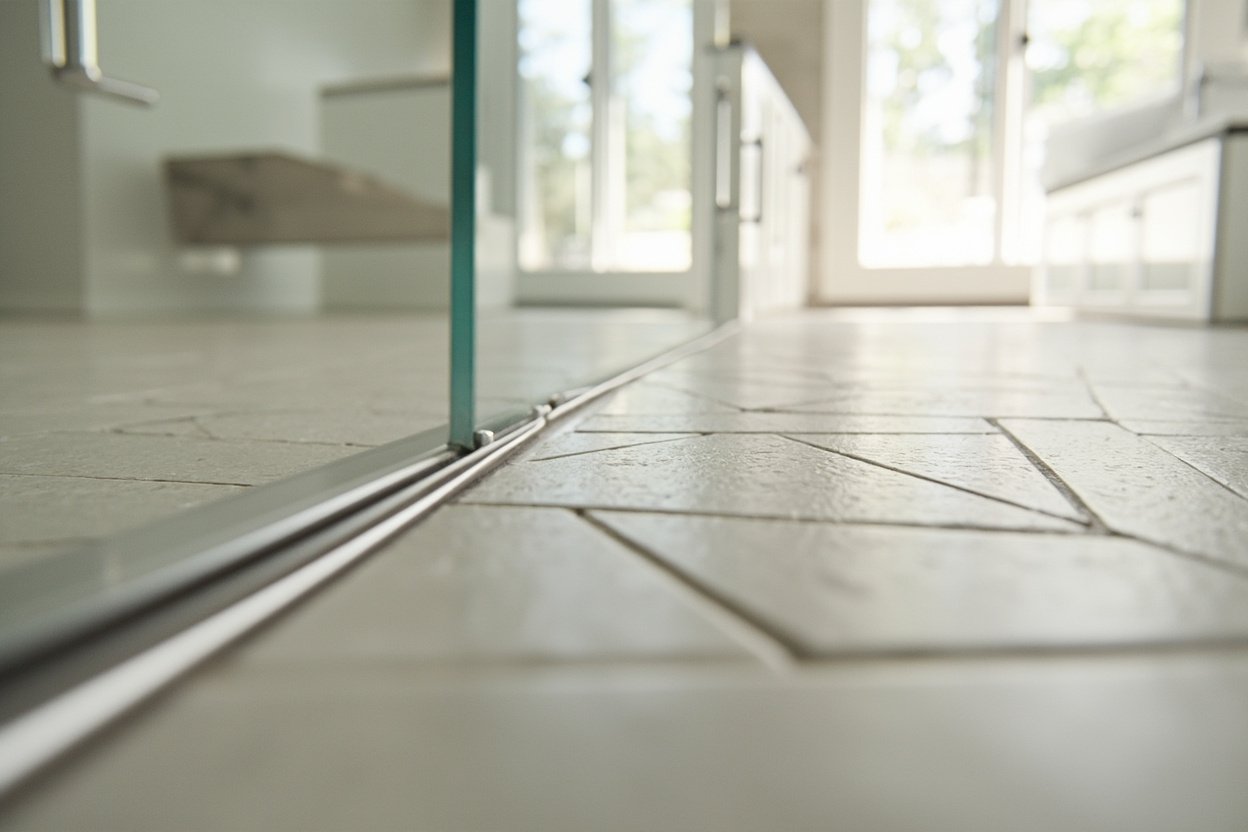
Once waterproofing is complete, we install your selected shower base or create a custom-tiled entry. Many homeowners choose curbless designs for their sleek appearance and accessibility benefits, but these require precise slope planning to ensure proper drainage without a visible threshold. Your contractor should explain the tradeoffs between different entry styles and help you select the approach that best fits your space and preferences.
Choosing Materials for Your Boston Walk-In Shower
Material selection significantly impacts both the appearance and longevity of your walk-in shower. For Boston homes with traditional or historic character, custom tile work allows you to match existing design elements or create visual continuity with adjacent spaces. We work with homeowners to select appropriate tile materials that complement their homes while standing up to Boston’s humidity fluctuations.
For a modern aesthetic, large-format porcelain panels and solid-surface materials offer clean lines with minimal grout lines that require maintenance. Glass enclosures in various configurations provide visual openness while containing water splashing. Each material choice involves tradeoffs between cost, maintenance requirements, and aesthetic appeal, and our team helps you navigate these decisions based on your specific goals and budget.
Vanity and fixture selection rounds out the complete walk-in shower remodel. Many homeowners take the opportunity to upgrade their entire bathroom during this project, replacing outdated vanities, lighting, and hardware to achieve a cohesive updated look throughout the space.
When to Call a Professional Remodeler
While some bathroom updates involve cosmetic changes, a walk-in shower remodel requires plumbing expertise, waterproofing knowledge, and construction experience. DIY approaches to waterproofing or plumbing connections frequently lead to leaks, mold issues, and structural damage that may not become apparent until significant damage has occurred. Working with an experienced contractor who understands Greater Boston building codes and construction practices protects your home and ensures your investment performs as expected.
Ready to plan? Visit our bathroom remodeling page for Free, no-obligation estimate
When planning your walk in shower remodel boston, focus on clear scope, proper waterproofing, and smart layout choices.

