Thinking about deck replacement in Boston? You’re not alone. Harsh winters, wet springs, and humid summers take a real toll on outdoor structures across Greater Boston. Whether your current deck is showing its age or has sustained damage over the years, understanding what goes into a proper deck replacement helps you plan with confidence. Advanced Deck & Porch, a Sun Shore Construction company, has helped homeowners throughout Boston, Newton, Brookline, Wellesley, and surrounding towns rebuild and replace decks for over a decade.
Why Deck Replacement Is a Smart Investment for Boston Homeowners
New England weather is tough on wood. Freeze-thaw cycles, heavy snowfall, and summer humidity all contribute to wear and deterioration. Even a well-maintained deck built with traditional materials may start to show problems after 10–15 years. When structural framing weakens, railings loosen, or boards warp beyond repair, a full deck replacement makes more sense than repeated patch repairs.
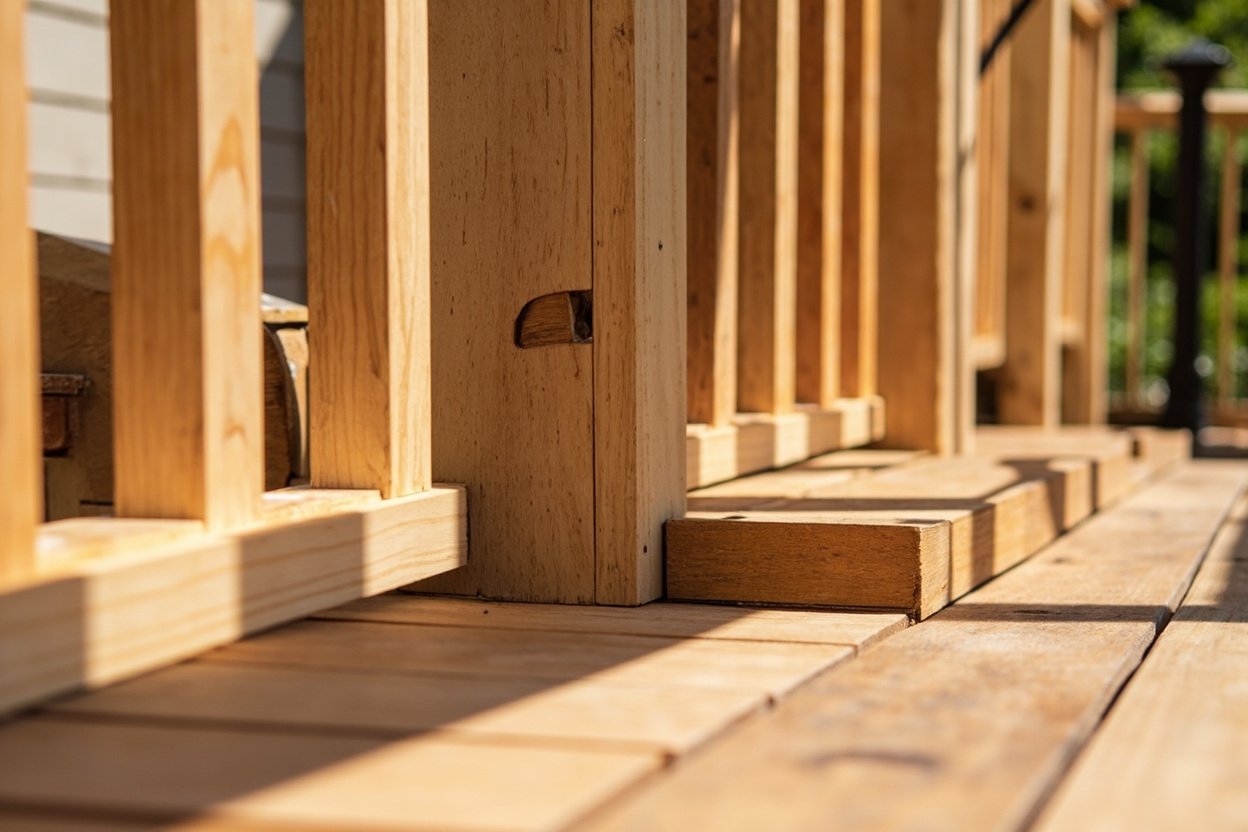
Replacing your deck also adds real value to your home. Prospective buyers in Newton, Wellesley, and Brookline especially appreciate updated outdoor living space. A properly built deck with safe railings and solid stairs expands your usable square footage and improves curb appeal.
What to Consider Before Starting Your Deck Replacement
Before any work begins, there are several decisions to make. Planning ahead saves time, reduces surprises, and helps you communicate clearly with your contractor.
- Structural framing condition: Even if the surface boards look bad, the framing underneath may still be sound—or not. A thorough inspection reveals whether you need a partial rebuild or a full replacement down to the footings.
- Deck materials: Traditional pressure-treated lumber remains popular, but Composite decking has become a preferred choice for Boston-area homeowners. Composite resists moisture damage, won’t splinter, and holds up well against seasonal weather exposure without the need for annual sealing.
- Railing safety: Local building codes require specific railing heights, spacing, and load ratings. This is not optional—railings protect your family and guests, and they must meet code on stairs and flat surfaces alike.
- Stairs and access points: Deck stairs must be built to code with proper rise, run, and footing. If your current stairs are steep, narrow, or showing signs of wear, replacement is the right time to address those issues.
- Permits: Most deck replacement projects in Boston, Newton, Brookline, and surrounding towns require a building permit. Your contractor should handle the permit process and ensure all work meets current code requirements.
These factors shape both the scope of your project and the overall cost. A professional estimate from a local contractor who understands local zoning and weather considerations is the best place to start.
Choosing the Right Materials for Boston’s Climate
Material selection matters more in New England than in milder climates. Snow load, rain, and temperature swings all affect how long your deck lasts and how much maintenance it requires.
Composite decking performs exceptionally well in weather exposure conditions common to Greater Boston. It resists moisture absorption, won’t rot, and maintains its appearance with minimal upkeep. Many homeowners appreciate that it doesn’t require annual staining or sealing, which is a practical advantage given our wet spring weather and snowy winters.
Pressure-treated wood remains a viable option if you prefer a natural look and are willing to perform regular maintenance. Look for higher-grade boards with limited knots and proper kiln-dried labeling. Properly sealed and maintained wood decks can last many years in our climate, but they do require ongoing attention.
Aluminum or steel railings offer strong, durable alternatives to traditional wood railings. They resist rust when properly finished and meet modern safety standards without the maintenance demands of wood.
The Deck Replacement Process: What to Expect
Every project is different, but most deck replacements in the Boston area follow a similar path. Understanding the steps helps you prepare and stay informed throughout construction.
- Initial consultation and estimate: A contractor visits your property to assess the existing structure, discuss your goals, and provide an estimate. This is the time to ask about materials, timeline, and any site-specific challenges.
- Design and permit preparation: Plans are drawn up and submitted to your local building department. Permit timelines vary by town—Wellesley and Newton may differ from Boston proper, for example—but your contractor manages this process.
- Demolition of the existing strong> The old deck is carefully dismantled, with attention given to protecting your landscaping and home exterior.
- Structural framing: New framing is built using pressure-treated lumber rated for ground contact. Proper flashing and ventilation are installed to manage moisture and extend the life of the structure.
- Surface installation and finishing: Deck boards, railings, and stairs are installed. Any trim work and sealing are completed.
- Final inspection: The building department inspects the work and issues a certificate of completion.
Throughout the process, good contractors keep you informed and address any questions promptly. Weather can affect scheduling, particularly in fall and spring, but a well-organized team works to minimize delays.
Maintenance Planning for Your New Deck
Once your new deck is in place, a simple maintenance routine helps protect your investment for years to come. Different materials call for different approaches.
If you chose Composite decking, maintenance is minimal—regular sweeping and occasional washing with mild soap and water is typically all that’s needed. Avoid using harsh chemicals or pressure washers set too high, as these can damage the surface over time.
For wood decks, plan to seal or stain every one to two years. Inspection in early spring catches any winter damage early. Check railings and stairs for loose connections after major storms, especially in neighborhoods like Weston, Wellesley, and Lexington where large trees and wind can affect outdoor structures.
Keep gutters and downspouts clear above your deck to prevent excessive moisture exposure. Trim back any overgrown vegetation that holds moisture against the structure. These small steps go a long way in extending the life of your deck and reducing long-term repair costs.
Ready to discuss your project? Visit our deck and porch services page or call (857) 837-2100 to schedule a free onsite estimate.
Advanced Deck & Porch is a brand owned and operated by Sun Shore Construction. All estimates, contracts, and construction services are provided by Sun Shore Construction.
Advanced Deck & Porch | Boston Deck Builder