When you’re ready to turn a dated, cramped bathroom into a modern retreat, a full bathroom remodel in Boston is the most effective path forward. Whether you own a classic triple‑deckers in Dorchester, a historic colonial in Cambridge, or a newer home in the suburbs of Middlesex County or Norfolk County, the process requires thoughtful planning, skilled craftsmanship, and an awareness of the region’s unique housing characteristics.
Why Choose a Full Remodel?
A complete remodel goes far beyond cosmetic upgrades. By replacing plumbing, electrical, flooring, wall finishes, and fixtures in one project, you gain the ability to address hidden problems such as water damage, outdated wiring, or insufficient insulation. The result is a bathroom that performs better, looks better, and adds measurable value to your home. Homeowners often discover that a full remodel improves functionality, enhances comfort, and can even reduce utility bills through the installation of water‑saving fixtures and energy‑efficient lighting.
Understanding Boston’s Older Housing Stock
Much of the Boston metro area is built on historic architecture, with many homes dating back to the early 20th century or earlier. These properties often feature plaster walls, lath‑and‑plaster ceilings, and narrow stairways that can complicate material transport and demolition. Before any work begins, a thorough assessment should cover several key areas:
- Structural integrity: Checking for sagging floors, compromised joists, or evidence of termite damage can prevent costly surprises later.
- Plumbing systems: Many vintage homes still have galvanized steel pipes that may be corroded or prone to leaks, requiring a full repipe.
- Electrical wiring: Knob‑and‑tube wiring or insufficient amperage must be upgraded to meet current building codes and support modern appliances.
- Hazardous materials: Lead‑based paint and asbestos‑containing insulation are common in pre‑1970 homes and require professional testing and abatement before demolition.
Key Considerations for a Boston Bathroom Remodel
Beyond aesthetic preferences, there are practical elements that affect every project in the region. Paying attention to these details helps avoid moisture problems, code violations, and costly callbacks.
- Ventilation: Boston’s humid summers and cold winters create frequent condensation, which can lead to mold growth if the space isn’t properly ventilated. Installing high‑performance exhaust fans, ensuring adequate window ventilation, and using moisture‑resistant drywall all contribute to a healthier bathroom.
- Waterproofing: Older buildings often lack modern waterproofing membranes, increasing the risk of leaks that can damage adjacent rooms or structural framing. A complete waterproofing system behind tile, around the shower enclosure, and along the floor perimeter is essential.
- Layout constraints: Narrow hallways, limited square footage, and unconventional floor plans are common in city homes. Creative solutions such as corner showers, wall‑mounted vanities, pocket doors, or a curbless walk‑in design can maximize usable space.
- Permits and codes: Boston, Cambridge, and surrounding towns each have their own permit requirements and building codes. A contractor familiar with local regulations can streamline the approval process and ensure compliance, preventing costly revisions.
- Historic preservation: In certain historic districts, exterior alterations or significant interior changes may be subject to review. Understanding these restrictions early helps maintain the character of the home while still achieving a modern interior.
Choosing Materials That Stand Up to New England Weather
Materials in a Boston bathroom must endure temperature swings, high humidity, and occasional moisture exposure. Selecting the right products can extend the life of the remodel and reduce maintenance needs.
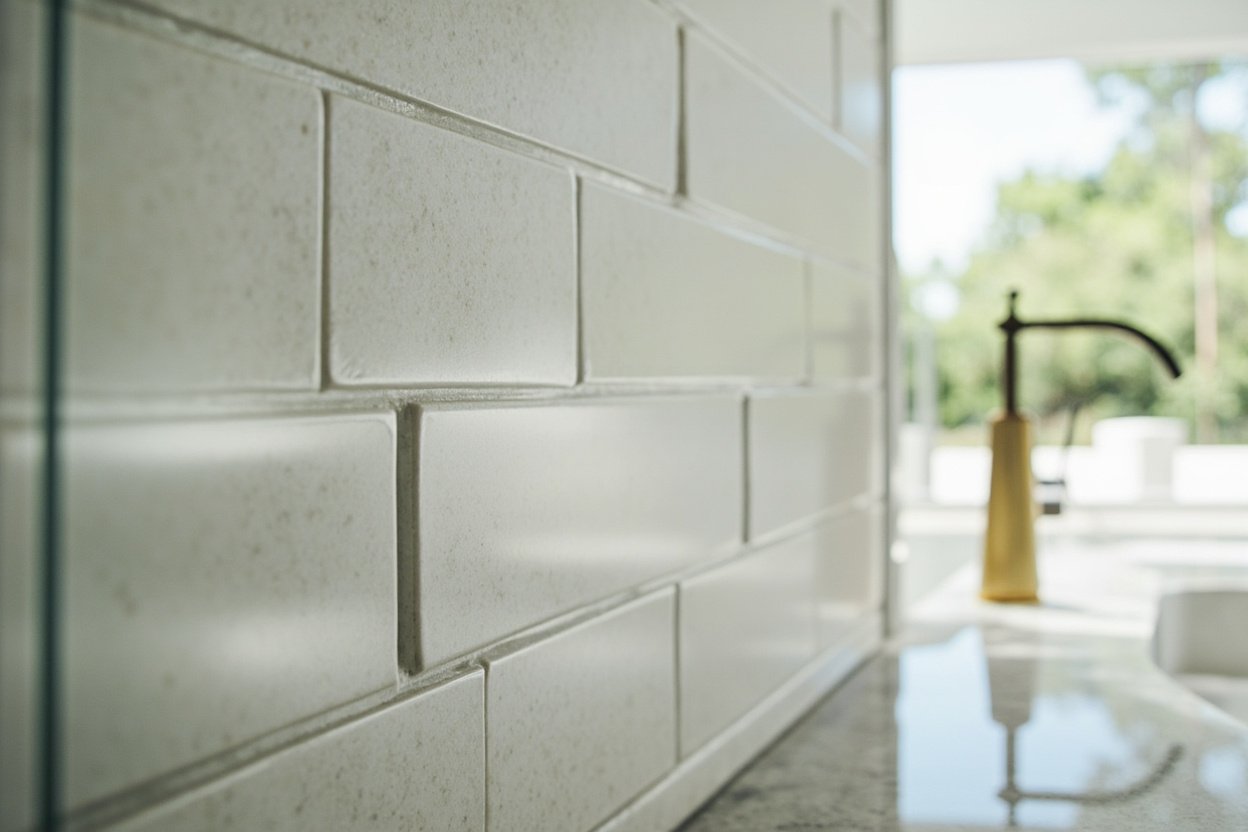
- Tile: Porcelain or ceramic tiles with a low water‑absorption rating work well for both floors and walls. Large‑format tiles reduce grout lines, which can be more resistant to mold.
- Countertops: Quartz and solid‑surface materials resist staining and do not require sealing, making them ideal for busy households.
- Cabinetry: Painted or properly finished wood with sealed edges can handle occasional splashes while maintaining a stylish appearance.
- Fixtures: Brass, brushed nickel, or matte‑black finishes provide durability and a modern look that complements a variety of design themes.
The Remodeling Process from Concept to Completion
A structured approach helps keep the project on track and minimizes disruption to your daily routine. While each remodel is unique, most projects follow a similar sequence of steps.
- Initial consultation: Discuss goals, budget, and any must‑have features with a design professional.
- Design phase: Create detailed drawings, select fixtures, and finalize finishes that align with the overall aesthetic.
- Permit acquisition: Submit plans to the local building department and secure necessary approvals before demolition begins.
- Demolition and remediation: Remove existing fixtures, address any hazardous materials, and prepare the space for new construction.
- Rough‑in work: Update plumbing, electrical, and ventilation systems to meet current codes.
- Installation: Lay tile, install fixtures, mount cabinetry, and complete any custom millwork.
- Final inspection: Verify code compliance, test all systems, and conduct a walkthrough with the homeowner.
Popular Upgrades for Boston Homeowners
While every remodel is tailored to the homeowner’s preferences, certain upgrades consistently rank high among local clients looking to enhance both comfort and value.
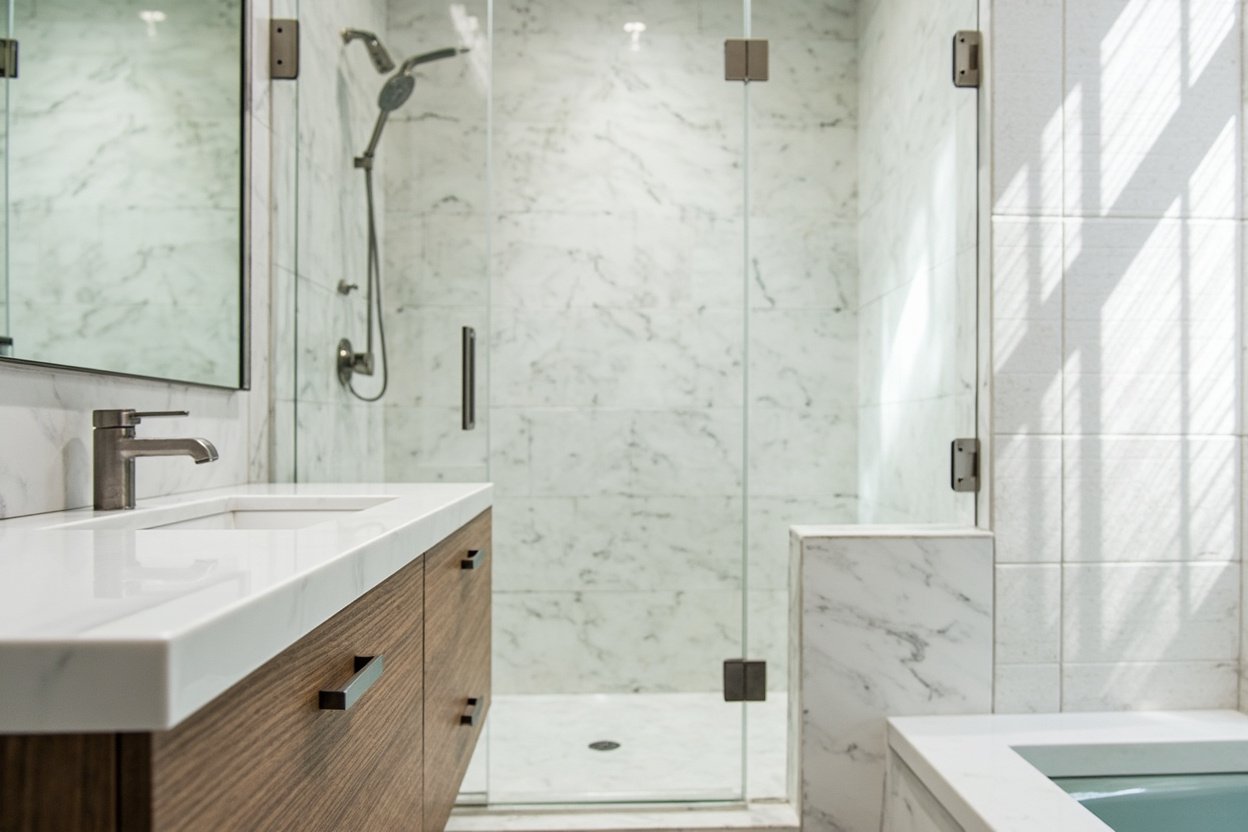
- Walk‑in showers with frameless glass doors, built‑in seating, and a curbless entry for easy accessibility.
- Freestanding soaking tubs that serve as a focal point and provide a luxurious bathing experience.
- Heated floors that combat Boston’s cold mornings and add a touch of comfort.
- Smart lighting, programmable thermostats, and water‑saving fixtures that improve energy efficiency.
- Custom tile work, including accent walls or niche designs, that add personality to the space.
Working with a Local Contractor
Choosing a contractor who knows Greater Boston, Middlesex County, and Norfolk County can simplify the entire process. Local expertise means familiarity with municipal inspectors, reliable access to trusted suppliers, and the ability to navigate logistics such as narrow streets, limited parking, and building‑site constraints. A team that understands the nuances of historic preservation and modern building codes can help you avoid common pitfalls and achieve a bathroom that meets both your vision and the region’s standards.
Ready to plan? Visit our bathroom remodeling page for Free, no-obligation estimate
When planning your full bathroom remodel boston, focus on clear scope, proper waterproofing, and smart layout choices.