Thinking about a full bathroom remodel in Boston? You are not alone. Many Greater Boston homeowners are updating their bathrooms to add value to their properties and enjoy modern comfort. Whether you own a classic triple-decker in Somerville, a Colonial in Newton, or a contemporary home in Cambridge, understanding the remodeling process helps you make informed decisions about your investment.
Why Boston Homeowners Invest in Full Bathroom Remodels
Boston’s housing market demands quality bathrooms. Buyers expect updated spaces with modern fixtures, efficient layouts, and proper ventilation. A full bathroom remodel addresses multiple concerns at once rather than treating symptoms with partial fixes. Old pipes, deteriorating subfloors, and outdated electrical systems get replaced during the construction process. This comprehensive approach prevents future problems and creates bathrooms that function properly for decades.
Special Considerations for Boston Bathrooms
Greater Boston presents unique challenges for bathroom renovation projects. Understanding these factors helps you plan accordingly.
- Older Home Construction: Many Boston-area homes were built before modern building codes. Wall structures may contain plaster, lathe, or knob-and-tube wiring that requires careful handling. Your contractor must assess existing conditions before proceeding with demolition.
- Ventilation Requirements: Massachusetts humidity creates moisture problems in bathrooms without proper airflow. Building codes require exhaust ventilation, but older homes often lack adequate systems. A complete remodel allows installation of proper ventilation that protects your walls, floors, and fixtures from water damage.
- Layout Constraints: Historic homes feature smaller bathroom footprints with unconventional layouts. Drain and vent placement may not align with modern fixture requirements. Creative solutions like corner showers, wall-mounted toilets, and custom vanity configurations maximize available space.
- Waterproofing Standards: New Massachusetts building codes emphasize water management in wet areas. Full remodels require proper membrane installation, sealed edges, and correct slope for water drainage. These measures prevent the mold and rot that plague bathrooms in older construction.
Popular Bathroom Upgrade Options
Modern Boston homeowners choose various upgrades during full bathroom remodels. These improvements address both functional needs and aesthetic preferences.
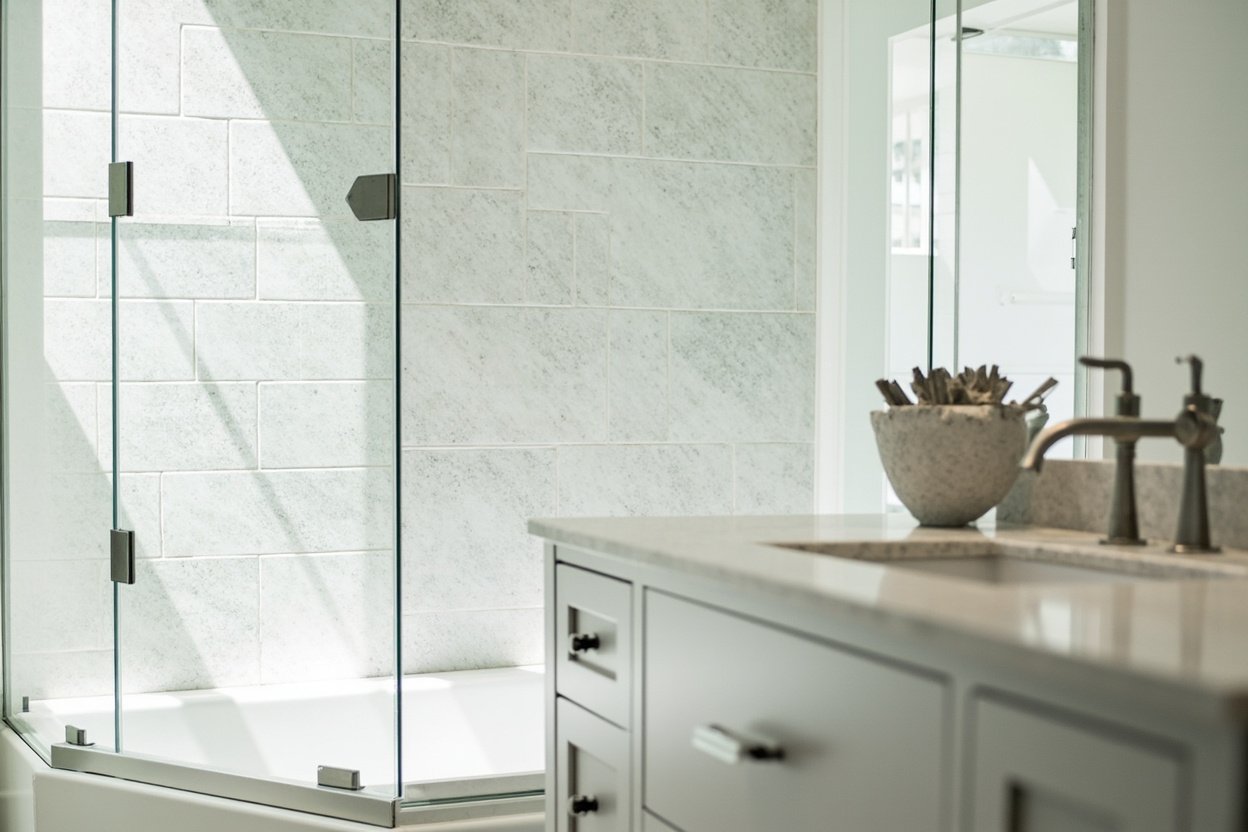
Walk-in showers replace outdated tub-and-shower combinations, creating accessible spaces that appeal to all ages. Frameless glass enclosures make small bathrooms feel larger while adding luxury appeal. Custom tile work transforms shower walls into focal points with subway patterns, herringbone layouts, or natural stone surfaces.
Tub-to-shower conversions work well for guest bathrooms or master suites where families prefer shower access. Removing a tub and installing a walk-in shower maximizes floor space and updates the room’s appearance. This conversion ranks among the most requested services in Middlesex County and Norfolk County homes.
Custom vanities solve storage challenges in bathrooms with unusual dimensions. Pre-fabricated vanities rarely fit older bathroom layouts perfectly. Custom-built pieces utilize every available inch while matching your preferred style and finishes.
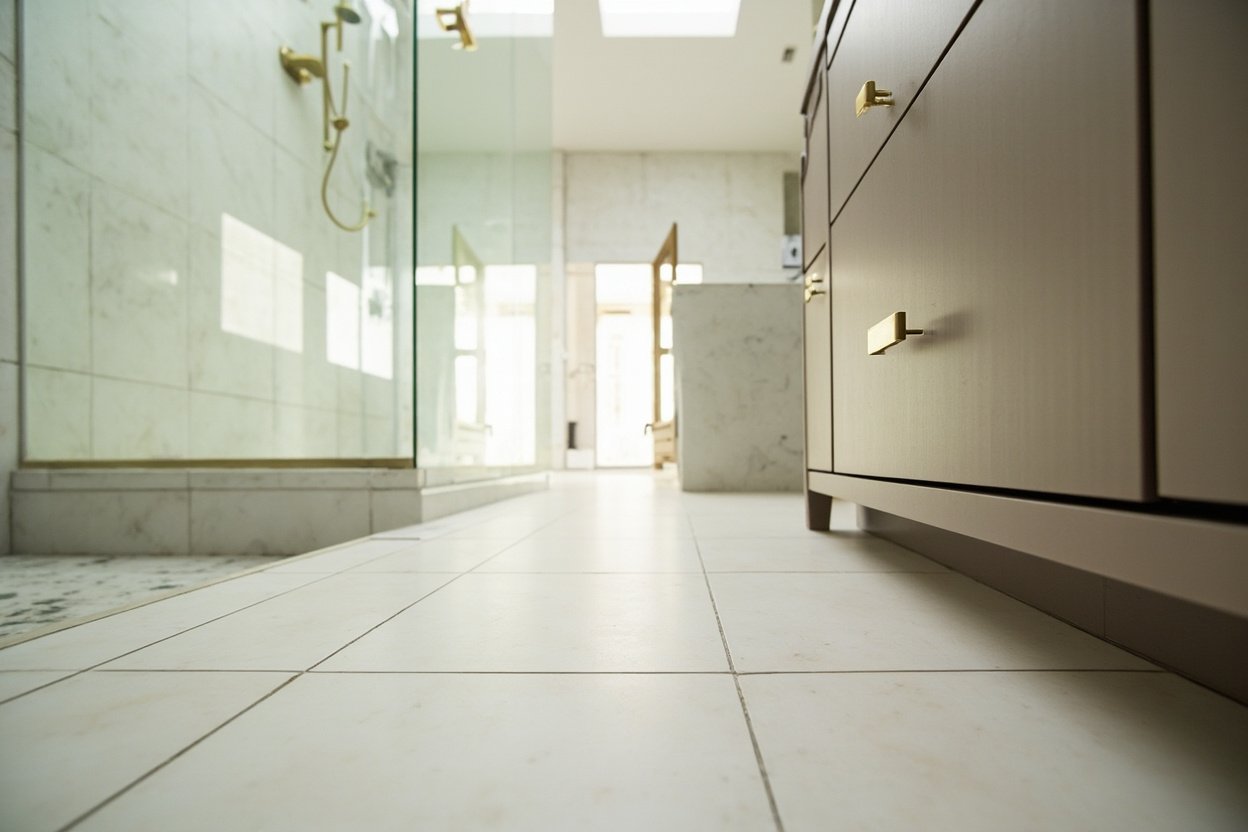
Tile installations protect bathroom surfaces while expressing personal style. Ceramic, porcelain, and natural stone options suit different budgets and aesthetic goals. Heated tile floors address the cold bathroom floors that frustrate Boston homeowners during winter months.
The Full Remodeling Process
Understanding what happens during a bathroom remodel helps set realistic expectations for your project.
The process begins with assessment and planning. Your contractor examines existing conditions, discusses your goals, and develops设计方案 that works within your space constraints. This phase addresses structural issues, plumbing relocation possibilities, and material selections.
Demolition removes existing fixtures, flooring, and damaged wall materials. This phase often reveals hidden problems like rotted subfloors or inadequate framing that require correction before installation continues.
Rough-in work includes plumbing and electrical modifications. Moving drains, adding supply lines, and updating wiring happen before walls close. Proper rough-in prevents expensive changes later in the project.
Installation follows with fixture placement, tile work, and finishing details. Custom carpentry, painting, and hardware installation complete the transformation. Each step receives inspection to ensure code compliance and quality standards.
Working with a Local Boston Contractor
Choosing a contractor familiar with Greater Boston construction brings advantages. Local contractors understand regional building codes, permit requirements, and inspection procedures. They have established relationships with suppliers and subcontractors who serve the area.
Experience with Boston’s housing stock matters significantly. Older homes require problem-solving skills that newer construction rarely demands. A contractor who regularly works on historic properties anticipates challenges and addresses them efficiently.
Ready to plan? Visit our bathroom remodeling page for Free, no-obligation estimate
When planning your full bathroom remodel boston, focus on clear scope, proper waterproofing, and smart layout choices.