If your existing deck is showing its age, you are not alone. Many homeowners in the Boston area find themselves deciding between extensive repairs and a full deck rebuild. Whether your current structure has weathered decades of New England seasons or suffered unexpected damage, understanding your options helps you make informed decisions about your home.
Why Deck Rebuilds Are Common in Greater Boston
The climate in Boston and surrounding communities presents unique challenges for outdoor structures. Freeze-thaw cycles, coastal humidity, and seasonal weather exposure take a toll on deck materials and structural components over time. Many decks built in the 1990s and early 2000s are now reaching the end of their serviceable lifespan, particularly if they were constructed with pressure-treated lumber that was not properly maintained.
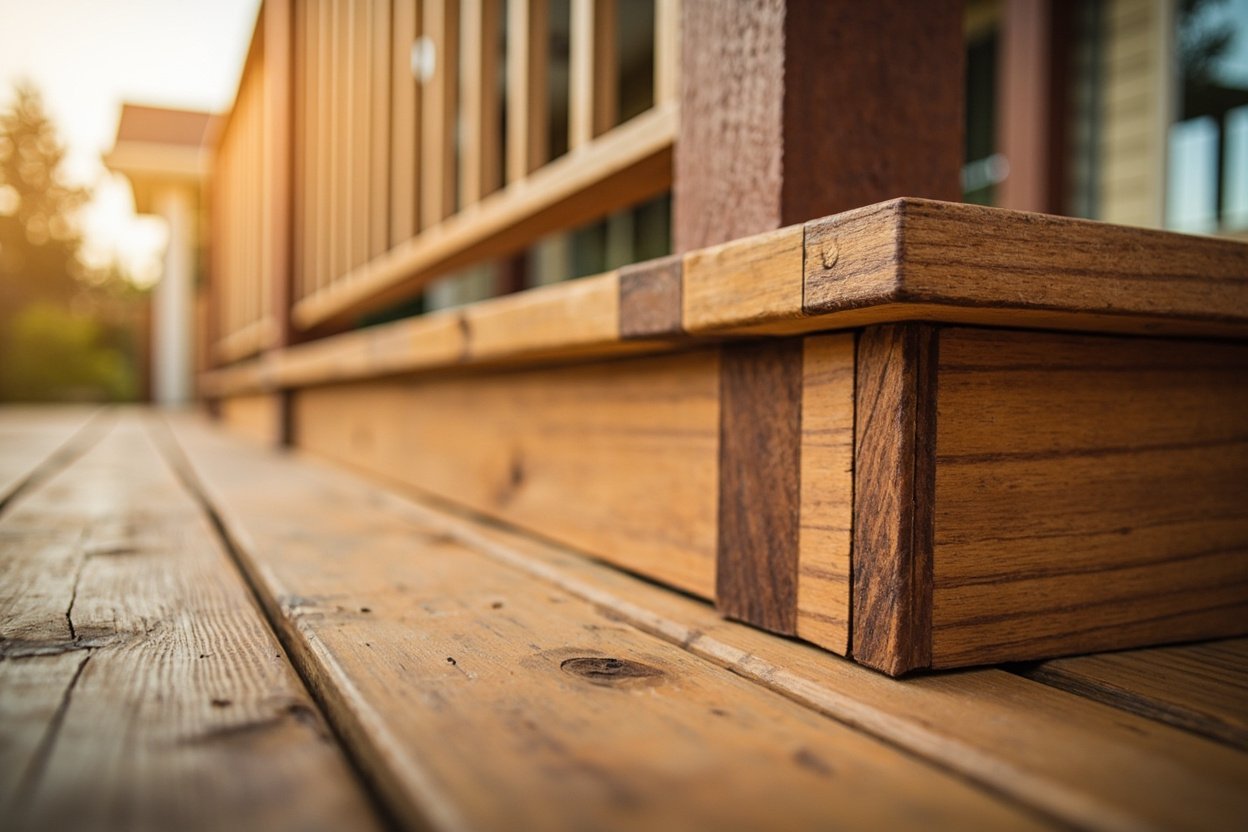
Structural framing deterioration often goes unnoticed until visible problems appear. Soft spots in the decking, wobbling railings, or stairs that no longer feel secure are all signs that warrant professional inspection. In some cases, targeted repairs can extend a deck’s life. In others, a complete deck rebuild makes better long-term sense.
Planning Your Deck Rebuild Project
Before construction begins, several practical considerations apply to projects in the Boston metro area. Most municipalities in Greater Boston require permits for deck construction, and requirements vary by town. Communities like Newton, Brookline, and Wellesley have specific zoning regulations that affect setback requirements and maximum deck heights. Your contractor should be familiar with local building codes and permit processes throughout the region, including Lexington, Needham, Weston, and Westwood.
During the planning phase, think about how you intend to use your deck. Consider the traffic flow, furniture placement, and whether you want features like built-in seating or lighting. If your current stairs occupy space that could otherwise be deck area, a rebuild allows you to reconfigure the layout for better functionality.
Structural Framing and Material Choices
The foundation of any successful deck rebuild lies in proper structural framing. Even the most beautiful decking material will fail prematurely if the underlying frame is not built to last. In our New England climate, using pressure-treated lumber for critical structural components remains standard practice, though the specific grades and installation methods have evolved significantly.
When selecting deck materials, homeowners increasingly choose composite decking for its durability and low maintenance characteristics. Unlike traditional wood, composite materials resist splitting, fading, and moisture damage, which are particular concerns given our local weather patterns. However, composite decking works best when installed over a properly engineered frame, so the quality of underlying construction matters regardless of surface material choice.
Other material options include cedar and redwood, which offer natural beauty but require regular sealing and maintenance to perform well in our climate. Your contractor can help you weigh the upfront costs against long-term maintenance requirements based on your preferences and budget.
Railing Safety and Stairs
Railing safety receives close attention during any deck rebuild, and building codes specify minimum requirements for height, spacing, and strength. Modern railing systems offer considerable design flexibility while meeting these safety standards. Glass panels, cable railings, and composite infill options all provide unobstructed views while maintaining secure boundaries.
Stairs require similar careful attention. The relationship between tread depth and riser height affects both safety and comfort. Codes mandate specific dimensions, but optimal design often exceeds minimum requirements for better usability. landings, where applicable, must meet their own structural and dimensional standards.
Maintenance Planning for Your New Deck
Once your deck rebuild is complete, establishing a maintenance routine helps protect your investment for years to come. Even low-maintenance materials like composite decking benefit from occasional cleaning to remove dirt, pollen, and organic debris. Annual inspections allow you to catch minor issues before they become significant problems.
Consider seasonal factors in your maintenance approach. In areas like Braintree, Quincy, and Milton, where winter snow and ice are realities, planning for snow removal and understanding how your specific materials respond to freeze-thaw conditions matters. Proactive steps taken each fall and spring go a long way toward preserving your deck’s appearance and structural integrity.
Ready to discuss your project? Visit our deck and porch services page or call (857) 837-2100 to schedule a free onsite estimate.
Advanced Deck & Porch is a brand owned and operated by Sun Shore Construction. All estimates, contracts, and construction services are provided by Sun Shore Construction.
Advanced Deck & Porch | Boston Deck Builder