Adding a deck to your Boston-area home is one of the best investments you can make for your property value and outdoor living space. Whether you are dreaming of morning coffee on a new pressure-treated deck or hosting summer barbecues on a composite deck with friends, understanding the basics of deck construction helps you make informed decisions. As deck builders serving Boston, Greater Boston, and MetroWest communities, we have seen what separates a well-built deck from one that creates problems down the road.
Understanding Boston Weather and How It Affects Your Deck
Boston homeowners face unique challenges when it comes to outdoor construction. Our New England climate means your deck will endure freezing winters, humid summers, heavy snow loads, and significant rainfall throughout the year. This weather exposure puts real stress on deck materials, structural framing, and hardware.
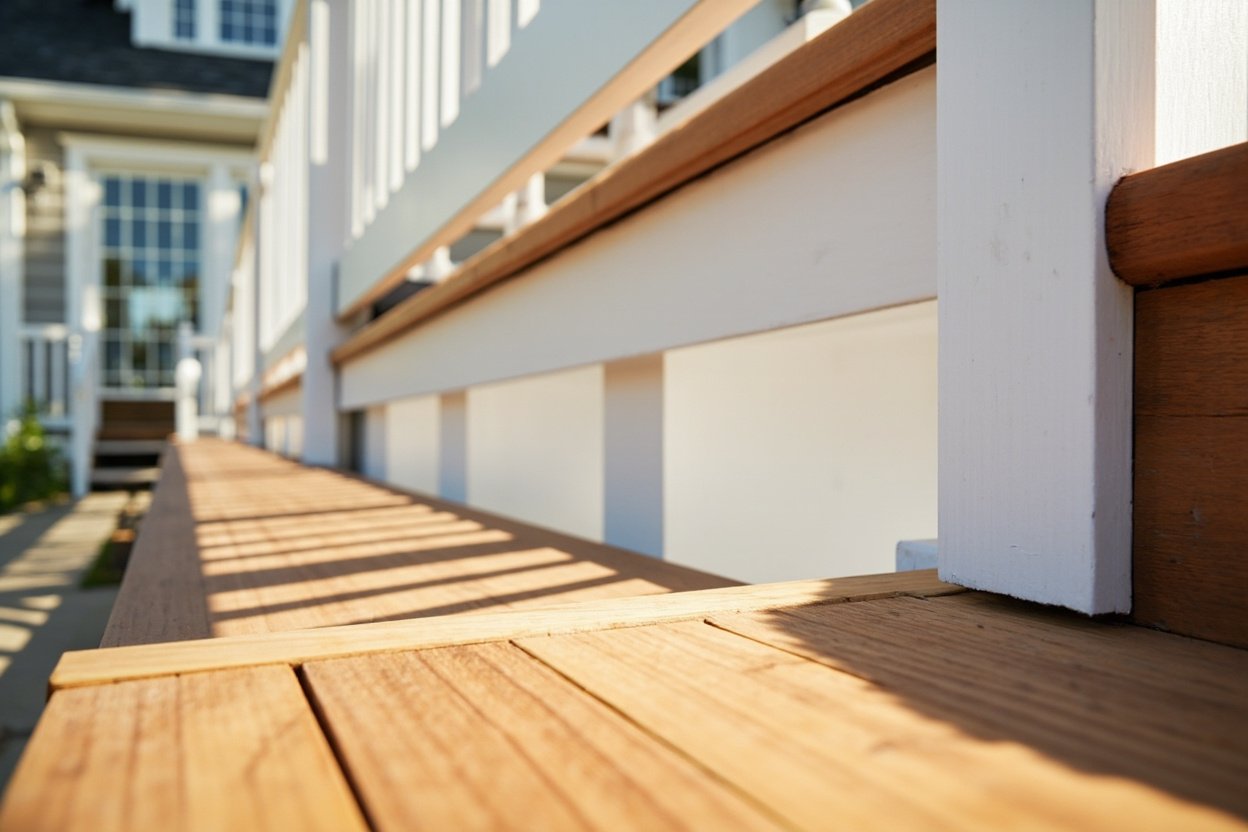
Proper planning starts with selecting deck materials that can handle these conditions year after year. Pressure-treated lumber remains a popular choice for its durability and affordability, while composite decking offers excellent resistance to moisture, fading, and insect damage. Both options work well in our climate, though each has different maintenance requirements over time.
Snow load considerations are particularly important in Massachusetts. Your deck structure needs adequate support and proper joist spacing to handle the weight of heavy snowfall without stress or damage. This is where experienced structural framing makes the difference between a deck that lasts decades and one that develops problems early.
Structural Framing: The Foundation of a Safe Deck
The hidden work beneath your deck boards matters more than most homeowners realize. Proper structural framing includes correctly sized beams, properly spaced joists, and secure connections between all components. In our service area spanning from Quincy to Newton and Wellesley to Lexington, local building codes set specific requirements for deck construction.
Ledger board attachment to your home requires particular attention. This connection point must be flashed properly to prevent water damage to your home structure. We see too many decks where this critical detail was handled incorrectly, leading to rot and expensive repairs.
Concrete footings must extend below the frost line to prevent heaving during winter freeze-thaw cycles. In Greater Boston, this typically means footings going down at least 48 inches, though specific requirements vary by municipality. Whether you are in Wayland or Westwood, understanding these local requirements prevents building errors that could require costly corrections.
Deck Railings and Stairs: Safety First
Railing safety is not optional in Massachusetts. Building codes require specific railing heights, baluster spacing, and structural integrity for any deck higher than 30 inches from grade. These requirements exist because falls from elevated decks cause serious injuries every year.
Modern railing options include aluminum, vinyl, composite, and traditional wood. Each offers different aesthetics and maintenance characteristics. The baluster spacing requirement of no more than 4 inches protects children and pets from potential injury. Post-to-post connections must be strong enough to withstand lateral force without failure.
Deck stairs require their own set of safety considerations. Proper rise and run dimensions create comfortable, safe steps. Handrails are required on at least one side of any staircase with four or more risers. Landing requirements at the top and bottom of stairs ensure safe transition areas. These details matter for code compliance and for the daily safety of everyone using your deck.
Permits and Planning in Greater Boston Communities
Before construction begins, most municipalities in our service area require building permits for new deck construction. This process exists to protect homeowners and ensure work meets safety standards. Permit requirements vary between Boston, Newton, Brookline, and smaller towns like Wellesley, Weston, and Acton.
The permit process typically requires submitting detailed plans showing dimensions, materials, structural connections, and footer specifications. Some neighborhoods have additional requirements related to historic districts, wetlands protection, or homeowner association rules. In communities like Wellesley and Weston, lot coverage restrictions may affect how large your deck can be.
Working with an experienced deck builder who knows local requirements across Boston, Quincy, Braintree, Milton, and surrounding communities streamlines this process. We handle permit applications regularly and understand what each town looks for in approved plans. This experience prevents delays and ensures your project proceeds smoothly from design through completion.
Maintenance Planning for Long-Term Enjoyment
Once your deck is complete, a simple maintenance routine extends its life significantly. For wood decks, this means regular cleaning, annual sealing, and periodic inspection for loose boards or protruding fasteners. Composite decking requires less maintenance but still benefits from periodic cleaning to prevent mold and mildew buildup.
Seasonal inspections catch small problems before they become expensive repairs. Check railing connections, look for signs of rot at ground-contact points, and verify that flashing remains properly seated where your deck meets your home. In the fall, clearing leaves and debris prevents moisture-related issues during winter months.
Planning for maintenance when you choose your deck materials helps set realistic expectations. If you prefer minimal upkeep, composite decking or PVC materials make sense despite their higher initial cost. If you enjoy the process of seasonal deck maintenance, natural wood provides excellent value with proper care.
Making the Right Choice for Your Home
Building a deck is a significant project that affects your daily life and your property value for years to come. Taking time to understand the basics of materials, construction requirements, and maintenance helps you ask better questions and make decisions that fit your priorities and budget.
Whether you need a simple ground-level deck or an elaborate multi-level outdoor living space with custom railings and built-in features, working with experienced deck builders makes the process manageable. We have built decks throughout MetroWest and Greater Boston, from Natick to Canton and Bedford to Weymouth, and we understand what each community requires.
The right contractor walks you through material options, explains structural decisions, and ensures your deck meets all applicable codes. Clear communication before and during construction prevents misunderstandings and results in a deck that matches your vision.
Ready to discuss your project? Visit our deck and porch services page or call (857) 837-2100 to schedule a free onsite estimate.
Advanced Deck & Porch is a brand owned and operated by Sun Shore Construction. All estimates, contracts, and construction services are provided by Sun Shore Construction.
Advanced Deck & Porch | Boston Deck Builder