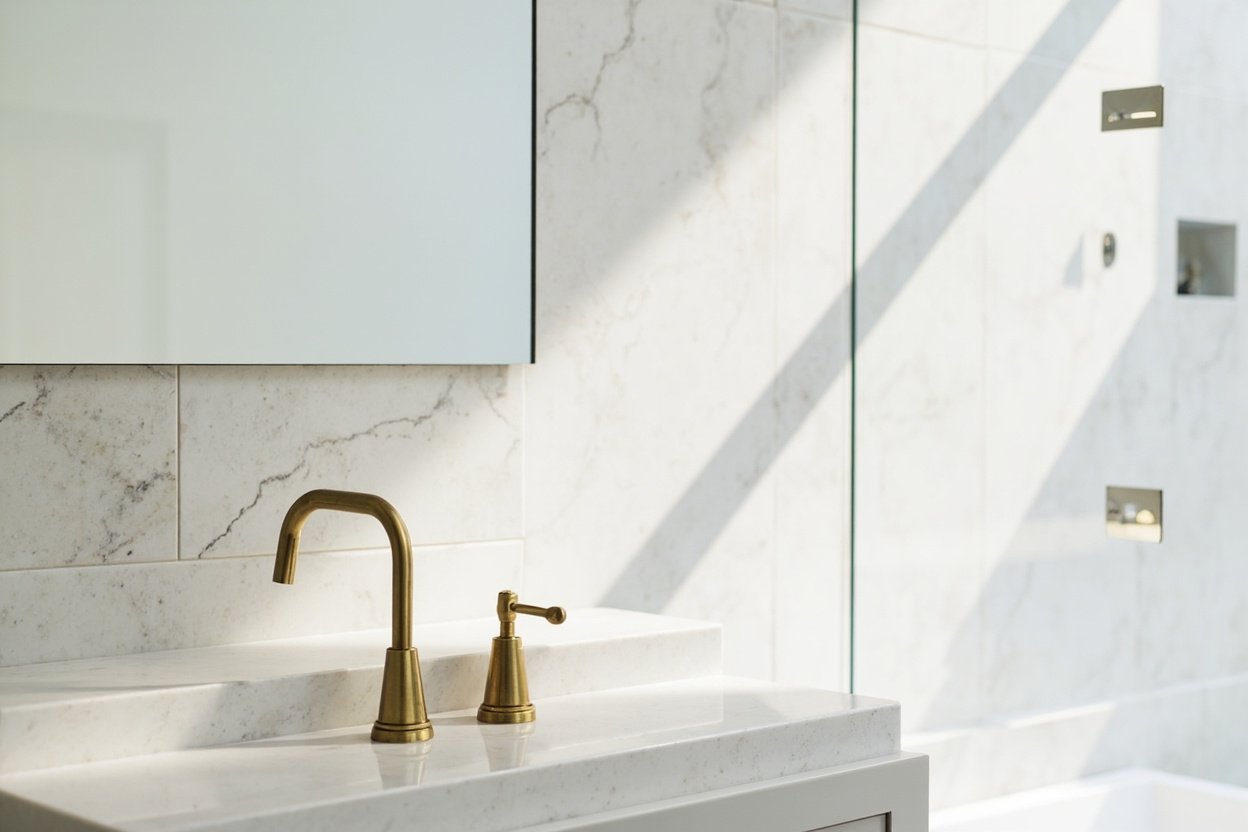
When it comes to bathroom tile installation in Boston, homeowners face unique challenges that go far beyond picking the right color or pattern. From navigating historic homes with uneven subfloors to selecting materials that can withstand New England humidity, a successful tile project requires careful planning and professional expertise. Bath Design Boston has been helping Greater Boston, Middlesex County, Norfolk County, and surrounding communities transform their bathrooms with quality craftsmanship that stands the test of time.
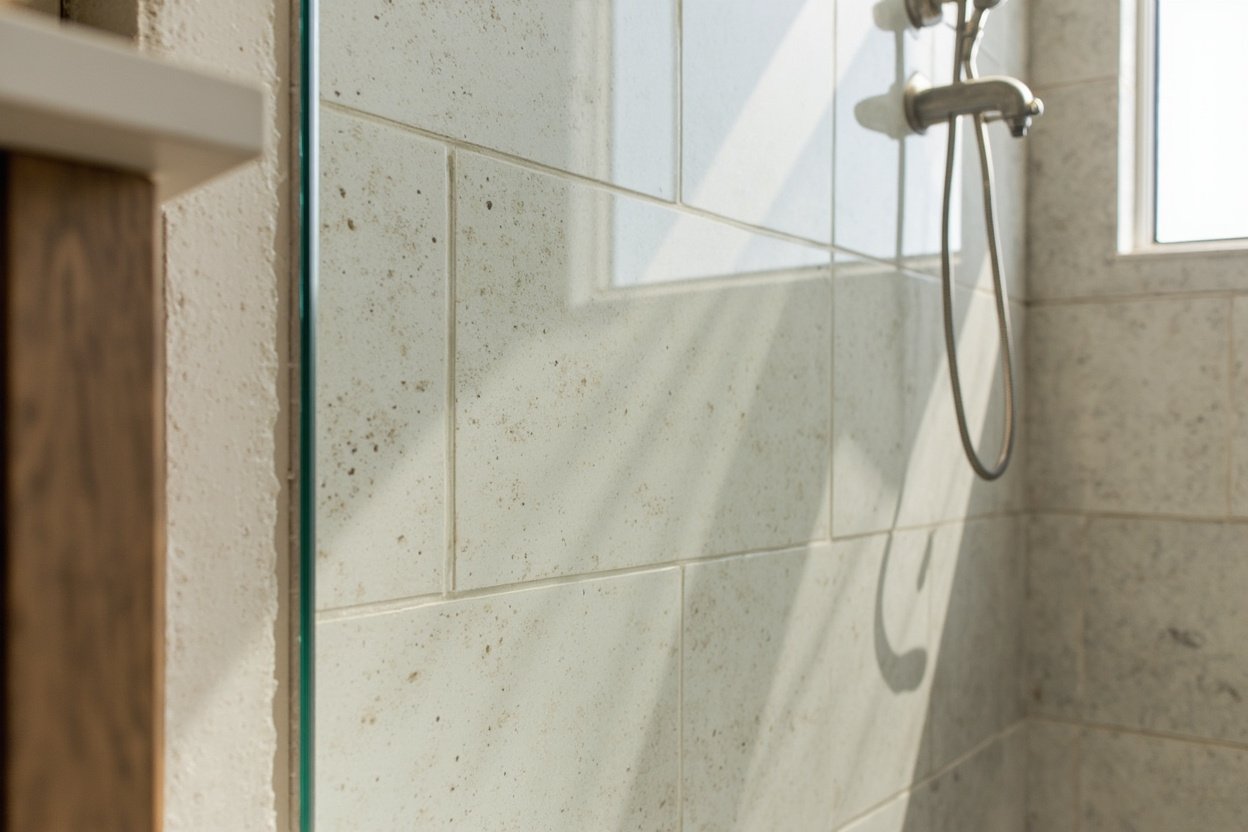
Understanding Boston’s Unique Bathroom Challenges
Boston’s housing stock presents particular considerations that homeowners in other regions may not encounter. Many homes in the Greater Boston area were built in the early-to-mid 20th century, which means bathroom structures often feature outdated plumbing, limited space, and subfloors that may have settled over decades. These factors directly impact how tile installation must be approached.
Proper waterproofing is critical in any bathroom, but it’s especially important in Boston’s older homes where moisture can travel through aging infrastructure. A professional installation includes comprehensive waterproofing measures that protect your investment and prevent costly water damage to your home’s structure.
Choosing the Right Tile for Your Boston Bathroom
Not all tiles are created equal, and selecting the appropriate material for your specific bathroom conditions is essential. In Greater Boston homes, several factors should influence your choice:
- Porcelain and ceramic tiles offer excellent water resistance and durability for bathroom floors and walls
- Natural stone tiles provide elegant aesthetics but require additional sealing and maintenance
- Glass tiles can brighten smaller bathrooms but may require more specialized installation techniques
- Large-format tiles can make small bathrooms feel more spacious but require perfectly level substrates
The Importance of Professional Installation in Older Homes
One of the most common issues we encounter in Boston-area bathroom remodels is uneven subflooring. In homes where bathrooms haven’t been updated in decades, the original subfloor may have developed soft spots, rot, or simply settled unevenly over the years. Attempting to install tile over an unprepared surface inevitably leads to cracked tiles, grout failures, and premature replacement needs.
Professional tile installation in older Boston homes typically involves:
- Complete removal of existing flooring and damaged subfloor materials
- Structural repairs and reinforcement as needed
- Installation of proper cement backer board or decoupling membrane
- Precise leveling to ensure a flat, stable surface for tile adhesion
- Comprehensive waterproofing system installation
Ventilation Considerations for Boston Bathrooms
Proper ventilation is frequently overlooked in bathroom design, yet it’s one of the most important factors in maintaining your newly tiled bathroom. Boston’s climate means bathrooms experience significant humidity fluctuations throughout the year. Without adequate ventilation, moisture becomes trapped beneath tiles and around grout lines, leading to mold growth, tile adhesion failure, and unpleasant odors.
A complete bathroom remodel should include assessment of your existing ventilation system and recommendations for improvements. This might involve upgrading exhaust fans, improving ductwork, or installing humidity-sensing controls that automatically activate ventilation when needed.
Layout Constraints in Boston’s Smaller Bathrooms
Many bathrooms in Greater Boston homes were designed when smaller footprints were standard. Working with limited space requires creative solutions that maximize both functionality and visual appeal. Custom tile work allows us to address these challenges by tailoring every aspect of the installation to your specific layout.
Strategic tile choices can make a significant difference in how spacious your bathroom feels. Large-format tiles with minimal grout lines create visual continuity, while diagonal or offset patterns can add visual interest without cluttering the space. In powder rooms where space is at a premium, bold tile choices on a single wall can create a dramatic focal point without overwhelming the room.
Walk-In Showers and Tub-to-Shower Conversions
More Boston homeowners are choosing to replace traditional bathtubs with walk-in showers that offer better accessibility and a contemporary look. This conversion requires careful attention to waterproofing, slope for proper drainage, and seamless integration with surrounding tile work.
Curbless walk-in showers, where the shower floor continues seamlessly from the bathroom floor, are particularly popular but require precise engineering to ensure water containment. These designs work well in many Boston bathrooms and can actually make smaller spaces feel larger by removing visual barriers.
Protecting Your Investment with Quality Materials and Workmanship
The difference between a tile installation that lasts decades and one that fails within years often comes down to the materials and techniques used beneath the surface. Professional bathroom tile installation in Boston homes should include:
- High-quality modified thin-set mortar appropriate for your tile type and substrate
- Cement backer board or waterproofing membrane as a stable underlayment
- Proper expansion joints to accommodate natural movement
- Grout and sealants designed for bathroom environments
- Attention to detail around fixtures, corners, and edges
Planning Your Boston Bathroom Tile Project
Every successful bathroom tile project begins with thorough planning. During our initial consultations, we assess your current bathroom structure, discuss your design goals, and develop solutions that address your specific challenges. Whether you’re updating a powder room, converting a tub to a walk-in shower, or completely reimagining your master bathroom, the process starts with understanding your needs.
Custom tile work allows homeowners to express their personal style while ensuring every functional requirement is met. From selecting materials that complement your home’s architecture to planning layouts that work with your existing plumbing, each decision contributes to the final result.
Ready to plan? Visit our bathroom remodeling page for Free, no-obligation estimate
When planning your bathroom tile installation boston, focus on clear scope, proper waterproofing, and smart layout choices.