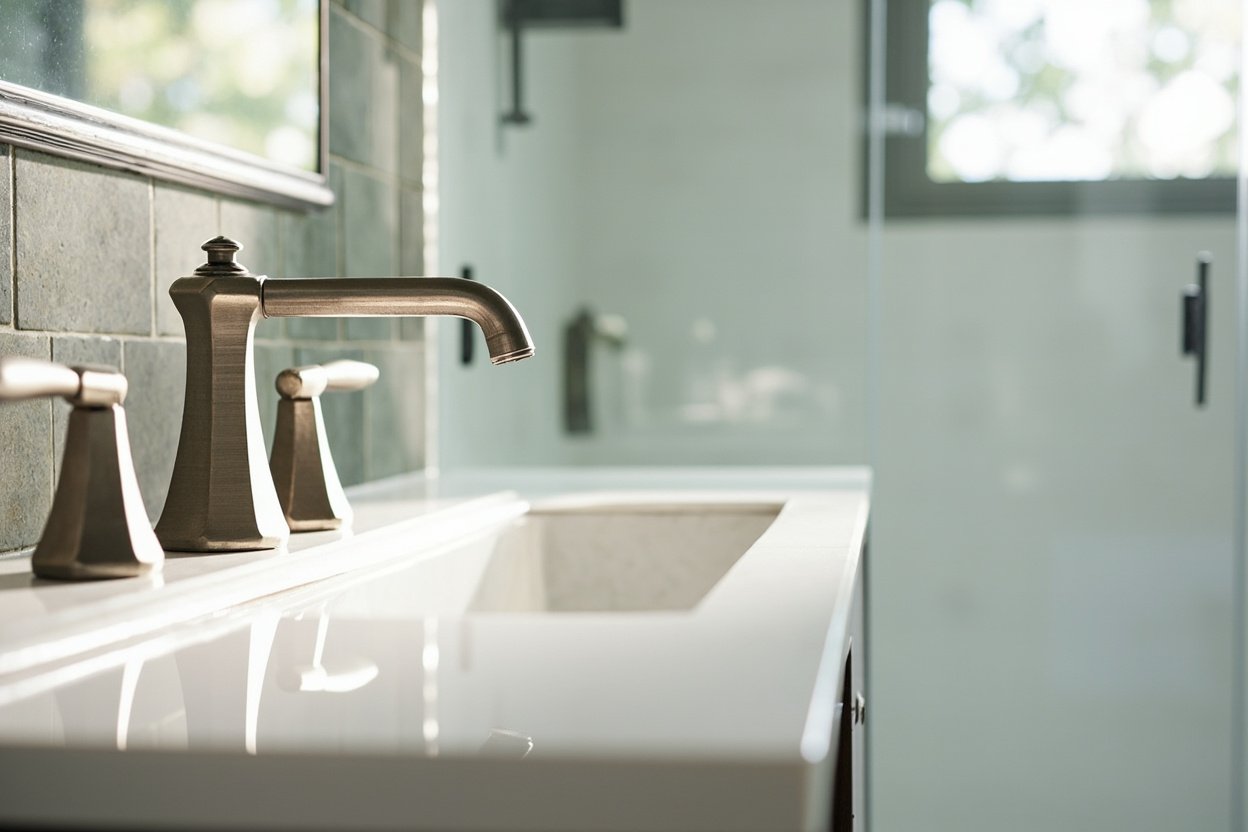
Considering a walk in shower remodel in Boston? You’re not alone. Greater Boston homeowners increasingly choose walk-in showers for their accessibility, modern aesthetic, and ability to make small bathrooms feel more spacious. Whether you live in a historic Somerville triple-decker or a colonial in Newton, understanding the unique challenges of bathroom remodeling in older New England homes will help you make informed decisions.
Why Walk-In Showers Are Popular in Boston Homes
Walk-in showers have become one of the most requested bathroom upgrades across Middlesex County and Norfolk County. Unlike traditional tub-shower combos, walk-in showers feature a low or curbless entry that makes daily routines easier. They also appeal to homeowners planning to age in place, as the open entry reduces tripping hazards.
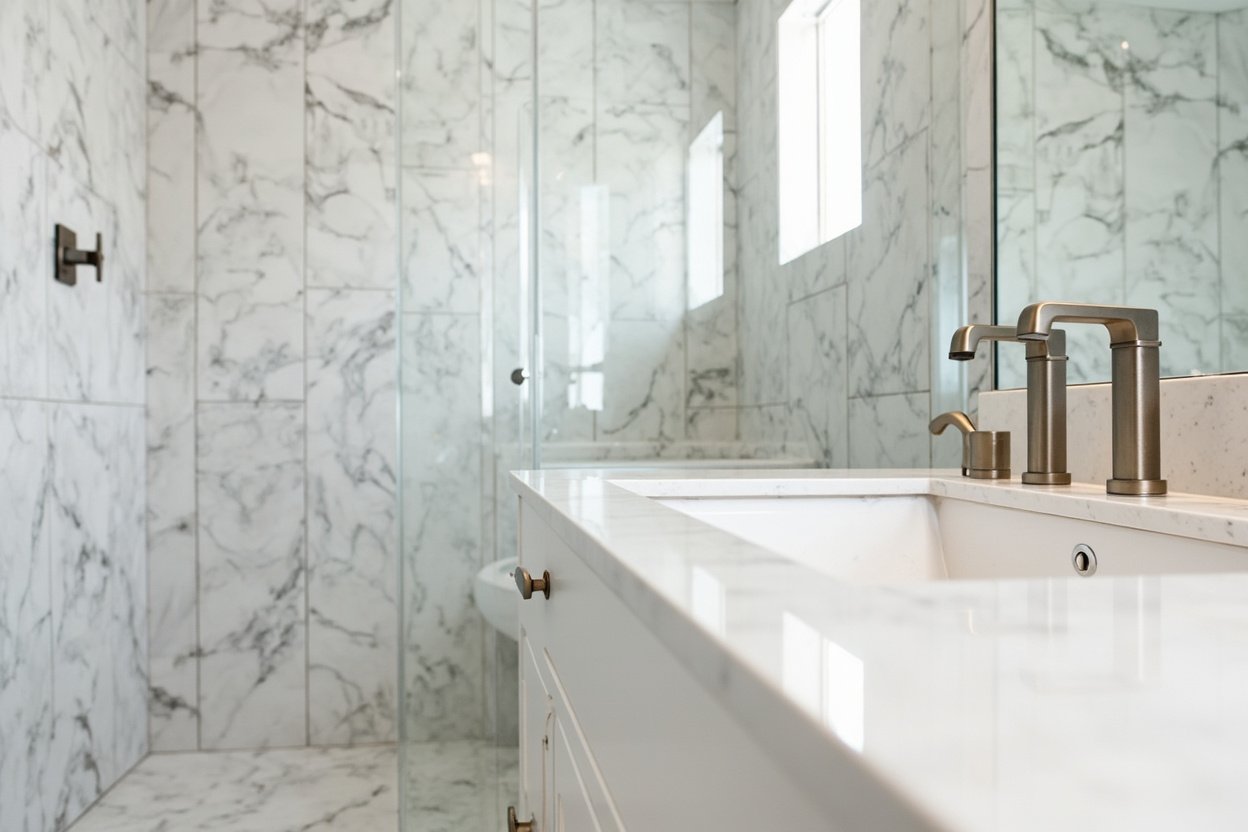
Beyond practicality, a well-designed walk-in shower can transform the entire feel of your bathroom. With frameless glass enclosures and custom tile work, these showers create a spa-like atmosphere that appeals to both homeowners and potential buyers. Many Boston-area real estate listings highlight updated bathrooms with walk-in showers as key selling features.
Common Challenges in Boston Walk-In Shower Remodels
Boston-area homes present unique considerations that experienced contractors understand. Here are the most common challenges our team addresses during walk-in shower installations:
- Age of existing plumbing: Many Greater Boston homes have original cast iron drain lines or galvanized water supply pipes that may need updating to support modern shower fixtures and water pressure requirements.
- Floor level differences: Older homes often have settling foundations and uneven subfloors that complicate achieving the proper slope for curbless showers.
- Limited space constraints: Historic Boston bathrooms were designed for smaller footprints. Creative layout solutions may involve repositioning plumbing or customizing shower dimensions.
- Ventilation issues: Proper bathroom ventilation is critical in New England’s humid climate. Inadequate exhaust fans can lead to moisture damage, especially in enclosed shower areas with limited air circulation.
- Waterproofing requirements: The dense construction of older homes requires meticulous waterproofing behind tile and around shower enclosures to prevent leaks that could affect neighboring rooms or lower floors.
Planning Your Walk-In Shower Remodel
Before beginning your bathroom remodel, take time to consider how you’ll use the space. Ask yourself whether you prefer a rainfall showerhead or multiple body sprays, if you want a built-in bench, and whether storage niches would be practical. These decisions affect both the design and the budget.
Material selection plays a significant role in walk-in shower durability and appearance. Porcelain and natural stone tiles offer excellent water resistance and come in styles ranging from classic subway patterns to contemporary large-format slabs. Solid surface shower pans provide a clean, seamless look while ensuring proper drainage. Your contractor can help you weigh the pros and cons of each option based on your specific bathroom conditions.
For powder rooms and smaller bathrooms, a compact walk-in shower can actually create the illusion of more space. Frameless glass panels allow light to flow through the room, while neutral tile colors keep the aesthetic cohesive with the rest of your home.
What to Expect During the Remodeling Process
A complete walk-in shower remodel typically involves demolition of the existing shower or tub area, plumbing adjustments if needed, installation of proper backing and waterproofing, tile work, glass enclosure fabrication, and fixture installation. The exact sequence depends on whether you’re doing a tub-to-shower conversion or replacing an existing shower.
Waterproofing deserves special attention in any Boston bathroom. Your contractor should install a complete waterproof membrane system behind the tile, not just rely on grout and caulk. This includes proper pan installation, waterproof backing on walls, and sealing around all penetrations. Given New England’s freeze-thaw cycles, robust waterproofing protects your investment for years to come.
Ventilation improvements often go hand-in-hand with walk-in shower installations. Your contractor may recommend upgrading to a higher-capacity exhaust fan or adding a timer switch to ensure the fan runs long enough after showers to clear excess moisture from the bathroom.
Making the Most of Your Investment
Quality craftsmanship separates a walk-in shower that looks beautiful for years from one that develops problems within months. When evaluating contractors for your Boston-area remodel, look for professionals who understand the specific demands of older homes in Middlesex County and Norfolk County. Ask about their waterproofing approach, their experience with layout challenges in small bathrooms, and their process for ensuring proper drainage.
A thoughtful walk-in shower remodel combines practical functionality with lasting visual appeal. By addressing structural considerations upfront and working with experienced professionals, you can create a bathroom feature that serves your household well for decades.
Ready to plan? Visit our bathroom remodeling page for Free, no-obligation estimate
When planning your walk in shower remodel boston, focus on clear scope, proper waterproofing, and smart layout choices.