Your bathroom vanity does more than hold the sink. It sets the tone for your entire bathroom, provides crucial storage, and plays a major role in how well your space functions day after day. If you are considering bathroom vanity installation in Boston, understanding the process and what makes a successful project can help you make better decisions for your home.
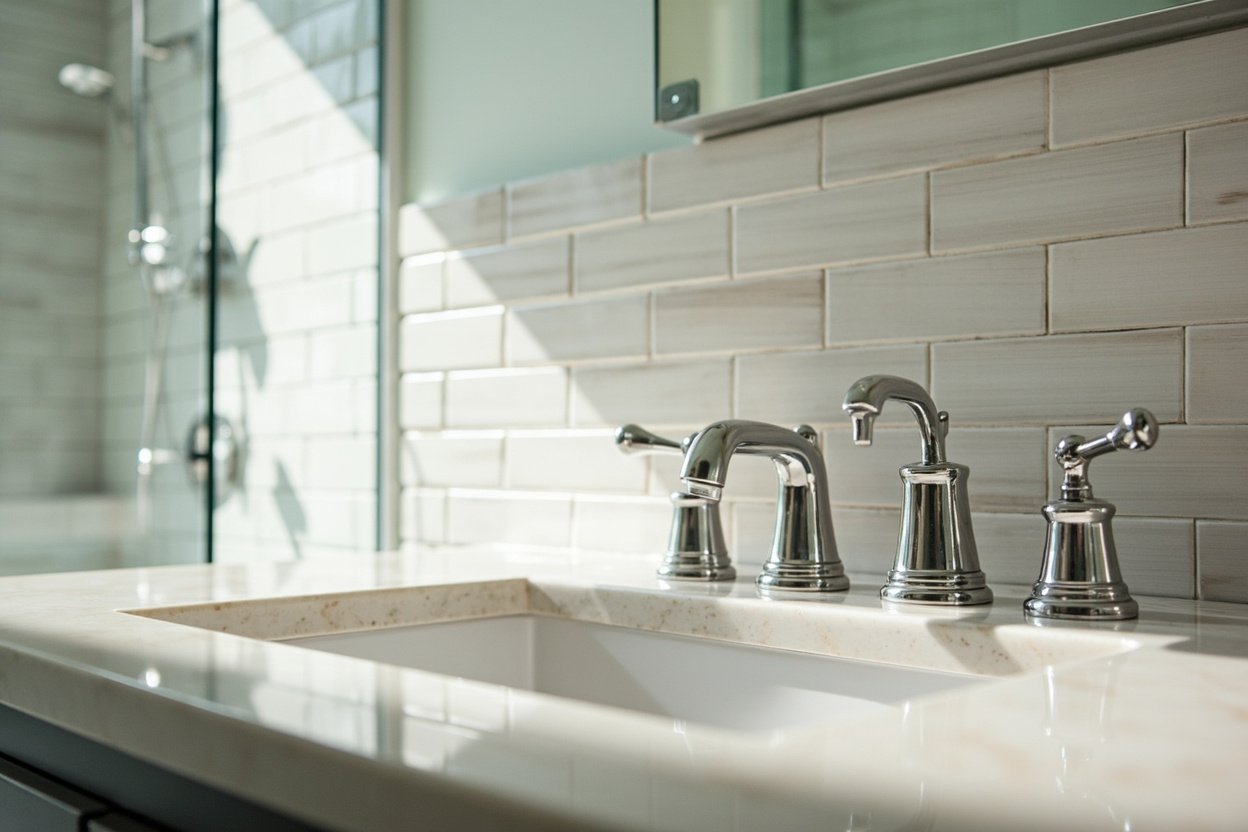
Why the Right Vanity Matters for Boston Homes
Boston homeowners face unique challenges that make vanity selection and installation particularly important. Many properties in the Greater Boston area feature bathrooms built decades ago with layouts that do not reflect how modern families actually use the space. Bathrooms in historic homes often have awkward wall configurations, sloped floors, or limited wall space that requires creative solutions.
Beyond aesthetics, a properly installed vanity must withstand Boston’s humidity levels, which spike dramatically during summer months and throughout the heating season. Poor installation or inadequate ventilation planning leads to water damage, peeling finishes, and costly repairs that could have been avoided with proper planning.
Choosing the Right Vanity Size and Style
Before installation begins, selecting a vanity that fits your space while meeting your practical needs is essential. Consider these factors:
- Measure carefully including door swing clearance, swing radius for drawers, and any trim or molding that might affect placement
- Account for plumbing locations since moving supply lines and drainpipes significantly increases project costs
- Consider your storage needs whether you prefer drawers, cabinets, or a combination that accommodates your household items
- Match your style preferences from modern minimalist designs to traditional raised-panel aesthetics that complement older homes
Single-sink vanities typically range from 24 to 36 inches wide, while double-sink configurations commonly measure 48 to 72 inches. Your bathroom dimensions, existing plumbing, and how you share the space with family members should guide this decision.
Understanding Boston’s Building Considerations
Installation in the Greater Boston area, including Middlesex County and Norfolk County, often involves working with plumbing systems and wall structures that differ significantly from newer construction. Cast iron pipes, galvanized supply lines, and out-of-level floors are common in older homes and require experienced contractors who understand how to address these challenges properly.
Waterproofing receives particular attention in Boston installations because regional humidity and older ventilation systems create conditions where moisture damage can occur without proper precautions. Your installer should understand how to properly seal around plumbing connections, apply appropriate moisture barriers, and ensure adequate air circulation to protect your investment for years to come.
Electrical code compliance also matters, especially when vanity lighting, built-in outlets, or heated flooring elements are part of your remodel. Working with contractors familiar with local building departments helps ensure all inspections pass smoothly.
The Installation Process Explained
Professional vanity installation typically follows a structured process that protects your home and ensures lasting results. After your initial consultation and measurements, the process generally moves through these stages:
- Existing fixture removal including disconnecting plumbing, removing old cabinetry, and preparing the installation surface
- Plumbing assessment and updates as needed to accommodate your new vanity or address aging pipes discovered during demolition
- Installation and leveling ensuring your new vanity sits perfectly level despite older floors that often slope or settle over time
- Secure mounting and sealing to walls and floors as appropriate for your specific vanity type and bathroom conditions
- Plumbing connection and testing verifying all connections hold pressure and drains function properly before completing the project
The timeline for your project depends on whether you are replacing the vanity only or combining vanity installation with broader bathroom remodeling work like walk-in showers, tub-to-shower conversions, or custom tile installation.
Coordinating With Other Remodeling Elements
Your vanity installation often works best as part of a coordinated bathroom remodel. When vanities go in alongside new flooring, backsplashes, or shower installations, the overall result tends to look more cohesive and professional. Coordinating these elements also reduces the total disruption to your home since trades work together rather than returning multiple times.
Custom tile work around vanities, particularly for backsplashes, requires careful timing relative to vanity placement. Experienced contractors plan these details in advance so finishes align properly and transitions between surfaces appear clean and finished.
Whether your project involves a powder room refresh or a complete master bathroom transformation, including vanity installation within your overall remodel often delivers better results than treating it as an isolated project.
Ready to plan? Visit our bathroom remodeling page for Free, no-obligation estimate
Making Your Installation Decision
Selecting a contractor for your bathroom vanity installation in Boston means choosing someone who understands regional housing stock, knows how to work with aging infrastructure, and brings the expertise necessary to deliver lasting results. The right installation protects your home from moisture damage, functions reliably for years, and enhances your property value.
Take time to review portfolios, ask about experience with similar projects, and discuss how your contractor addresses challenges specific to Boston homes. A thoughtful approach during the planning stage sets the foundation for smooth installation and results you will appreciate every time you use your bathroom.
When planning your bathroom vanity installation boston, focus on clear scope, proper waterproofing, and smart layout choices.