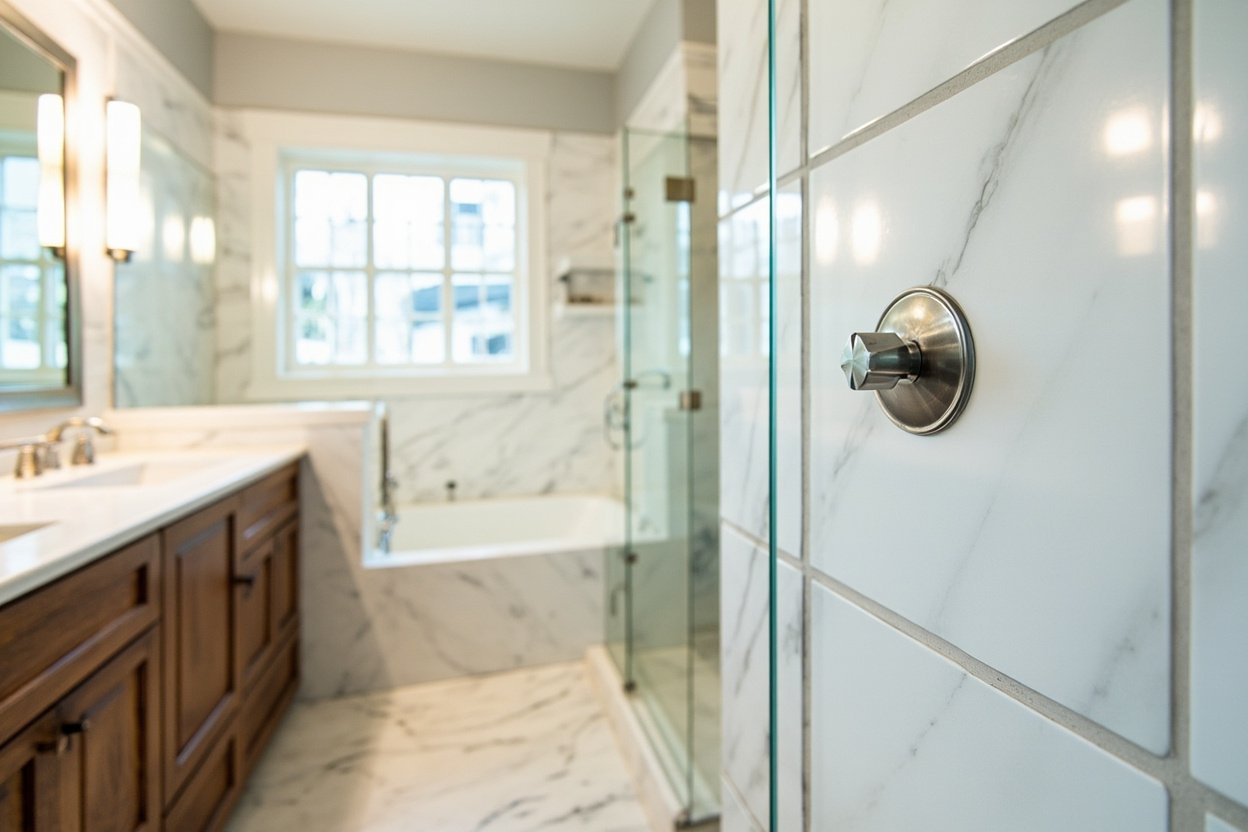
A powder room remodel in Boston can transform a cramped, under‑utilized half‑bath into a stylish and functional space that adds value to your home. Whether you own a historic townhouse in Beacon Hill, a colonial in Newton, or a modern condo in Cambridge, the basics of a successful renovation remain the same. In this guide, Bath Design Boston walks you through the key considerations, common challenges, and practical steps for a powder room upgrade that respects Boston’s unique housing stock.
Why Consider a Powder Room Remodel in Boston?
Boston’s real estate market is competitive, and even a modest upgrade can yield a high return on investment. A thoughtfully designed powder room improves daily convenience for family and guests, enhances the overall aesthetic of your home, and can make your property more attractive to future buyers. With the city’s mix of older homes and newer developments, a remodel also offers the chance to address outdated plumbing, insufficient ventilation, and limited storage—issues that are especially common in historic properties.
Common Challenges in Boston Powder Rooms
Remodeling a half‑bath in the Greater Boston area often involves navigating specific structural and regulatory hurdles:
- Age of the building: Many homes built before the 1970s have plaster walls, original cast‑iron pipes, and non‑standard ceiling heights. These features can limit layout options and require careful planning.
- Ventilation concerns: Small interior bathrooms often lack windows, making proper exhaust fan installation critical to prevent moisture buildup, mold, and wood rot.
- Limited space: Powder rooms are typically only a few feet wide. Every inch matters; strategic placement of the toilet, sink, and lighting can make the room feel larger.
- Waterproofing requirements: Because powder rooms are adjacent to living spaces, ensuring that all waterproofing measures meet Massachusetts building codes is essential to protect neighboring rooms from water damage.
- Permit and historic district regulations: If your home is located in a historic district—such as the Boston Historic District or a local preservation zone in Cambridge—you may need design review approval before making structural changes.
Key Steps for a Successful Remodel
Follow these steps to keep your project on track, on budget, and compliant with local codes:
- Initial assessment: Evaluate the current plumbing layout, electrical service, and structural constraints. A thorough inspection helps determine whether you can keep existing drains or need to reroute them.
- Define goals and budget: Decide on must‑have features—like a wall‑mounted vanity, a frameless mirror, or a luxury faucet—and set a realistic budget that includes materials, labor, and contingency funds.
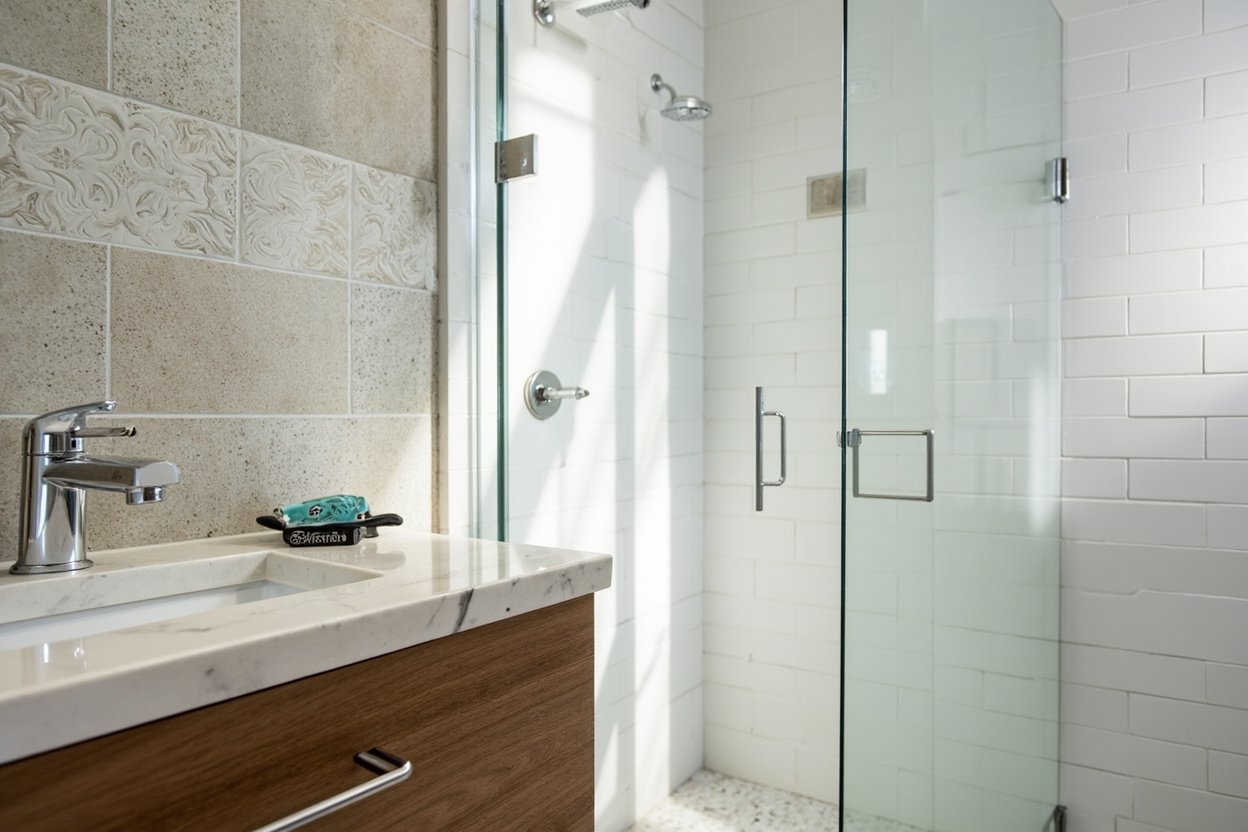
- Design selection: Choose finishes that complement the style of your home while offering durability. For a Boston‑inspired look, consider classic subway tile, brushed nickel fixtures, and neutral color palettes that brighten the space.
- Ventilation and waterproofing: Install a high‑performance exhaust fan that meets CFM requirements for the room’s volume. Apply a waterproof membrane behind tile and around the shower or sink area to safeguard against leaks.
- Permitting: In most municipalities—including Boston, Cambridge, and surrounding towns in Middlesex and Norfolk Counties—a permit is required for plumbing and electrical upgrades. Your contractor should handle the paperwork to ensure compliance.
- Construction and finishing: Demolition, rough‑in, installation of fixtures, tiling, and final touches are completed in sequence. A reputable contractor will coordinate inspections at each stage.
Design Ideas for Boston Powder Rooms
When it comes to style, Boston homeowners often blend timeless elements with modern conveniences:
- Classic Subway Tile: White or light‑gray subway tiles paired with a dark grout create a clean, historic feel that works in both older homes and contemporary condos.
- Wall‑Mounted Vanities: Freeing up floor space makes a small powder room feel larger. Choose a vanity with integrated storage to keep toiletries tidy.
- Statement Lighting: A pendant light or a sleek sconce can serve as the focal point, adding character without crowding the room.
- Mirrored Medicine Cabinets: Recessed or surface‑mounted mirrored cabinets provide extra storage while reflecting light, making the space feel open.
- Eco‑Friendly Fixtures: Low‑flow toilets and water‑saving faucets help reduce utility bills—a plus for any Boston homeowner.
Choosing the Right Contractor for Your Powder Room Remodel
Experience matters when dealing with the complexities of Boston’s housing stock. Bath Design Boston has completed numerous powder room remodels across Greater Boston, Middlesex County, and Norfolk County. Our team understands the nuances of working with historic homes, navigating local building codes, and selecting materials that stand up to New England’s humidity.
We start each project with a detailed consultation, assess the existing infrastructure, and provide a clear, itemized estimate. Our craftsmen handle everything from demolition and plumbing rerouting to waterproofing and final finishes, ensuring a seamless transition from design to completion. By using trusted suppliers and proven installation techniques, we deliver results that are both beautiful and durable.
Whether you’re looking to update a tiny half‑bath in a South End brownstone or create a guest‑ready powder room in a suburban home in Wellesley, Bath Design Boston brings local expertise and a commitment to quality to every job.
Ready to plan? Visit our bathroom remodeling page for Free, no-obligation estimate
When planning your powder room remodel boston, focus on clear scope, proper waterproofing, and smart layout choices.