Adding or replacing deck stairs is one of the most impactful improvements you can make for your Boston-area home. Well-designed deck stairs improve safety, enhance your outdoor living space, and add value to your property. Whether you are building a new deck or upgrading an existing structure, understanding the key considerations for deck stairs in the Greater Boston area helps you make informed decisions about materials, design, and construction.
Boston’s Climate Demands Thoughtful Deck Stair Design
The New England weather presents unique challenges for outdoor structures. Your deck stairs endure freeze-thaw cycles, heavy snow, rain, and humidity throughout the year. These conditions put stress on materials and connections that might perform fine in milder climates. Proper planning for weather exposure protects your investment and reduces long-term maintenance needs.
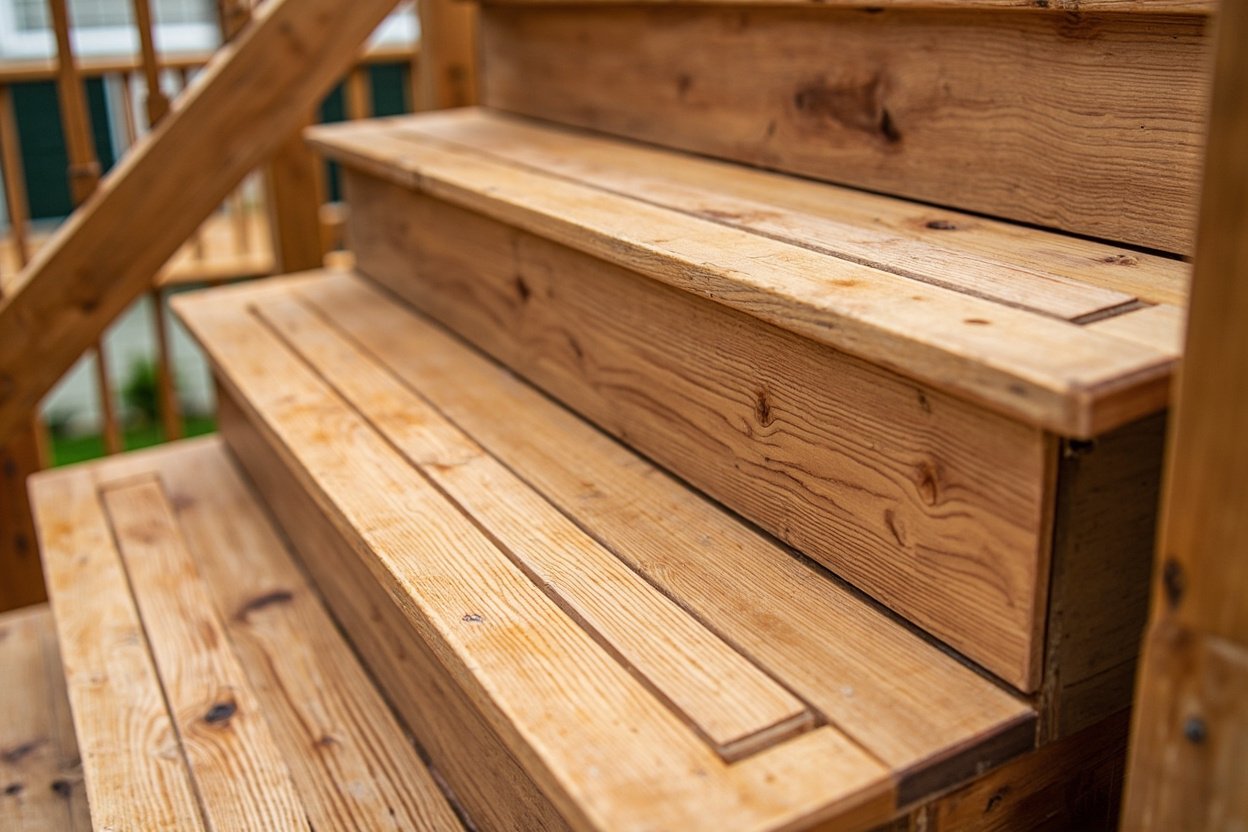
Water is the primary concern. When moisture seeps into wood fibers and freezes, it expands and causes splitting, warping, and deterioration. Effective deck stair construction addresses this through strategic material selection, proper drainage, and construction techniques that prevent water accumulation. This means choosing materials that resist moisture, ensuring adequate spacing between boards for drainage, and using hardware rated for exterior use.
Seasonal planning matters too. The best time to build deck stairs is typically spring through early fall when temperatures are moderate and conditions allow materials to acclimate properly. However, experienced contractors can work year-round with appropriate precautions for cold weather installation.
Choosing the Right Materials for Your Deck Stairs
Material selection significantly impacts the longevity, appearance, and maintenance requirements of your deck stairs. Three main options dominate the market, each with distinct characteristics.
Pressure-treated lumber remains popular due to its affordability and availability. Modern pressure-treated wood resists rot and insects effectively when maintained properly. However, it requires regular sealing and can develop splits over time with exposure to our harsh winters.
Composite decking has grown increasingly popular among Boston homeowners. This material resists fading, staining, and moisture damage without requiring annual sealing. Composite boards maintain their appearance year after year, making them an excellent choice for busy homeowners who prefer minimal maintenance. The initial investment is higher, but many find the long-term savings on maintenance offset the upfront cost.
Natural hardwoods like cedar and ipe offer beautiful aesthetics and natural resistance to decay. These materials develop a silver-gray patina over time if left unfinished, or they can be oiled to maintain their original color. Hardwoods require more attentive maintenance but provide a distinctive look that many homeowners prefer.
Structural Framing: The Foundation of Safe Deck Stairs
The visible parts of your deck stairs catch attention, but the structural framing determines safety and longevity. Proper framing supports weight safely, resists movement, and connects securely to your deck structure.
Stringers form the backbone of conventional stair construction. These diagonal boards support the treads and risers and carry the load transferred through foot traffic. Stringers must be adequately sized and properly spaced—typically no more than 16 inches on center for composite or wood treads. Using the correct stringer material and spacing prevents bouncing, squeaking, and premature failure.
The connection between your deck stairs and the main deck structure requires careful attention. This junction experiences significant stress from daily use. Blocking between joists, metal brackets, and lag screws all contribute to a secure connection that withstands years of use. At the base, your stairs need a solid foundation—typically concrete footings or pre-cast piers that extend below the frost line to prevent movement during freeze-thaw cycles.
Rising height and tread depth must balance comfort with code compliance. Standard residential stair dimensions typically range from 7 to 8 inches rise per step and 10 to 11 inches of tread depth. Consistency matters more than exact measurements—variations between steps create trip hazards that compound over a flight of stairs.
Railing Safety and Code Compliance in Massachusetts
Building codes exist to protect you and your family. Massachusetts adopts the International Residential Code with local amendments, and municipalities may have additional requirements. Deck stairs taller than a certain height typically require handrails, and all deck railings must meet specific strength requirements.
Railing height typically must be at least 36 inches measured from the tread nose, though many homeowners prefer the 42-inch height common on commercial structures for a more substantial feel. Baluster spacing cannot allow a 4-inch sphere to pass through—this prevents children from becoming trapped and ensures no head entrapment hazards.
Material choices for railings include wood, aluminum, vinyl, and composite. Each offers different aesthetics, maintenance requirements, and price points. Wood railings provide traditional appearance but require regular painting or staining. Metal railings offer durability with minimal maintenance. Composite and vinyl railings provide wood-like appearance with weather resistance that appeals to many homeowners.
Planning Your Deck Stair Project
Before construction begins, several practical considerations affect your project timeline and outcome.
- Permit requirements vary by municipality. Boston, Newton, Brookline, and surrounding communities may have different processes. Your contractor should understand local requirements and handle permit applications as part of their service.
- Property lines and setback requirements ensure your structure stays within your property boundaries and meets community standards.
- Existing landscaping and underground utilities may affect access and construction methods.
- Your daily routine matters. Construction creates noise and temporary access limitations that deserve consideration.
A professional deck contractor walks your property, discusses your needs and preferences, and develops solutions tailored to your specific situation. This onsite consultation identifies challenges early and ensures the finished project meets your expectations.
Maintenance planning extends your deck stairs’ lifespan regardless of material choice. Regular cleaning, prompt repairs of minor damage, and periodic inspections of connections and fasteners catch problems early when they are easy to address. Establishing a maintenance routine protects your investment and keeps your outdoor space safe and attractive.
Ready to discuss your project? Visit our deck and porch services page or call (857) 837-2100 to schedule a free onsite estimate.
Advanced Deck & Porch is a brand owned and operated by Sun Shore Construction. All estimates, contracts, and construction services are provided by Sun Shore Construction.
Advanced Deck & Porch | Boston Deck Builder