If you own a home in Boston, Greater Boston, or the MetroWest area, your deck faces unique challenges. From harsh winters to humid summers, New England weather takes a real toll on outdoor structures. Understanding deck repair basics can help you protect your investment and keep your family safe. This guide walks you through what Boston homeowners need to know about deck maintenance, repairs, and when it might be time to call in the professionals.
Common Deck Problems in Boston Homes
Winter in Massachusetts is tough on outdoor structures. Freeze-thaw cycles, snow accumulation, and road salt can cause significant damage over time. Many decks in the Boston area show similar problems as they age. Wooden boards may warp, crack, or split, while fasteners can loosen or rust. The structural framing underneath often shows signs of moisture damage before the surface problems become obvious.
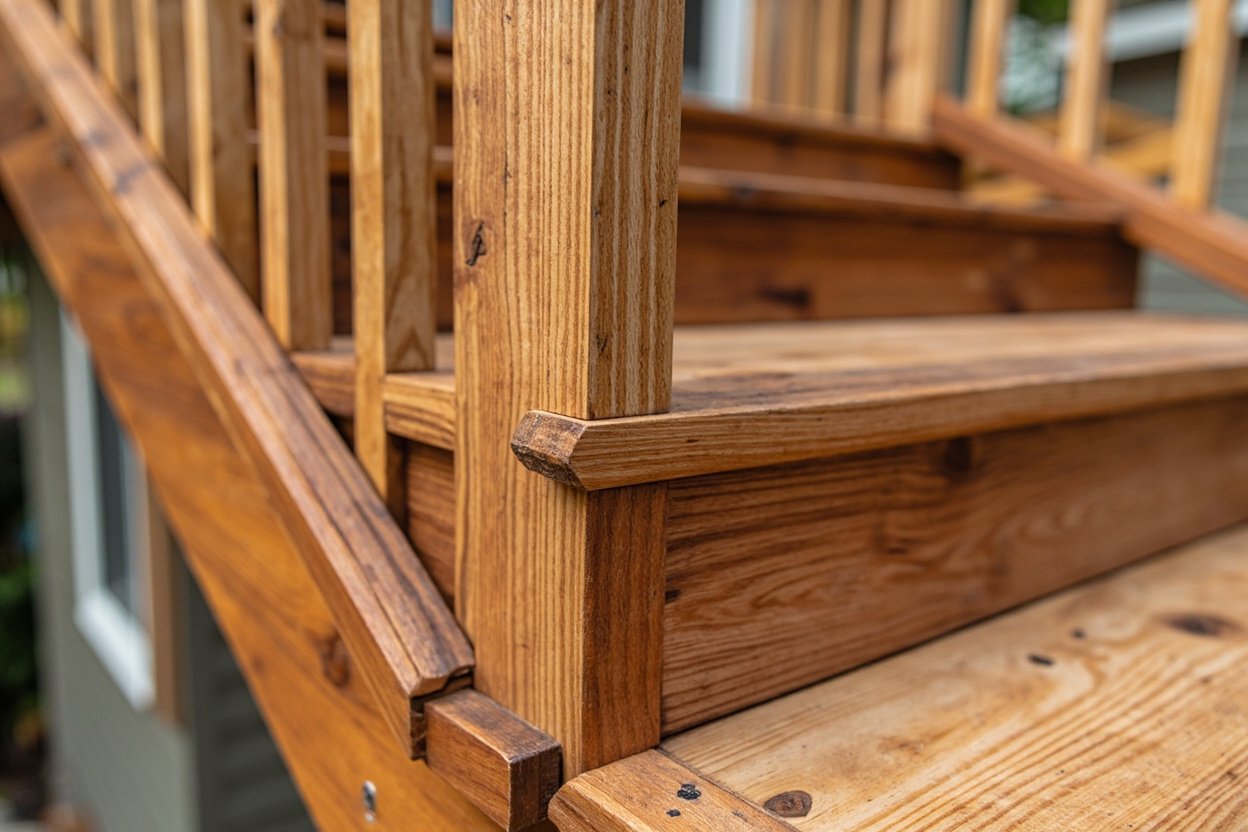
Other frequent issues include loose railings, sagging stairs, and water pooling on the deck surface. If you notice any of these problems, addressing them promptly prevents more costly repairs down the road. Small issues like a few loose boards can quickly escalate into major structural concerns if left untreated through another Boston winter.
Understanding Deck Materials for Boston Weather
Choosing the right deck materials matters significantly in our climate. Traditional wood pressure-treated lumber remains popular for structural framing because it handles moisture reasonably well. However, the surface boards offer more options today than ever before.
Composite decking has become increasingly popular among Boston homeowners for good reason. It resists moisture, won’t rot, and doesn’t require annual sealing. While the upfront cost is higher than wood, many find the reduced maintenance and longer lifespan justify the investment. Modern composite materials also handle temperature fluctuations well, reducing the splitting and cracking that plague traditional wood decks in our freeze-thaw climate.
If you prefer natural wood, cedar and redwood offer better natural resistance to decay than standard pressure-treated lumber. However, even these durable species require regular maintenance in Boston’s climate. Whatever material you choose, proper installation and adequate ventilation beneath the deck help extend its life significantly.
The Importance of Proper Structural Framing
The structural framing is the backbone of any safe deck. In older homes throughout Newton, Brookline, Wellesley, and other Greater Boston communities, many decks were built decades ago with older construction standards. Over time, the posts, beams, and joists that support your deck can weaken from moisture infiltration and pest damage.
When we assess deck damage, we always inspect the framing carefully. Signs of framing problems include bouncy or uneven deck sections, visible sagging, and discoloration or soft spots near posts. Sometimes the surface boards look fine, but the hidden structure needs attention. This is why professional inspection matters, especially for decks over ten years old.
Proper flashing around ledger boards where the deck attaches to your home is crucial in our climate. Without adequate flashing, water can seep into your home’s structure, causing damage far beyond the deck itself. Many older decks in the Boston area lack this important detail.
Railing Safety and Code Compliance in Massachusetts
Massachusetts has specific building codes for deck railings that exist to keep your family and guests safe. Current code requires railings at least 36 inches tall for residential decks. Balusters must be spaced so a 4-inch sphere cannot pass through. These requirements apply to all decks over 30 inches above ground.
Beyond code compliance, railing safety means ensuring connections are secure and materials haven’t deteriorated. Metal railings can rust in our climate, especially near coastal areas like Quincy, Weymouth, and Milton. Wooden railings may rot at the base where water collects. Loose or wobbly railings are a serious safety concern that should be addressed promptly.
If your deck stairs show wear, they need attention too. Treads should be secure, risers intact, and stringers properly supported. Wobbly stairs are one of the most common causes of deck-related injuries. For multi-level decks, code requirements for stairs and landings add complexity to repairs.
When to Repair vs. Replace Your Deck
Not every deck problem requires full replacement. Minor repairs like replacing a few boards, tightening connections, or reinforcing a single beam can extend your deck’s life significantly. However, there are situations where replacement makes more sense than repair.
Consider a full rebuild if your deck is over 20 years old with multiple structural issues. If more than 30% of the framing members show damage, replacement often proves more cost-effective than piecemeal repairs. Some older decks were built without proper permits or to outdated building codes. In these cases, starting fresh ensures your new deck meets current standards and passes inspection.
We see many decks in communities like Lexington, Acton, and Wayland where the original structure has served well for decades but simply needs updating. A professional assessment helps you understand your options and make an informed decision based on your specific situation.
Planning Your Deck Repair Project in Greater Boston
Before starting any deck repair in the Boston area, check local requirements. Many MetroWest communities require permits for deck construction and significant repairs. Boston and surrounding towns have specific regulations that affect what work you can do and how it must be done. A reputable contractor understands these local requirements and handles the paperwork for you.
Seasonal planning matters in New England. Spring through early fall typically offers the best window for deck work. However, we can often assess damage and plan projects during winter months so everything is ready when weather permits. The extreme cold of deep winter can affect certain materials and concrete, but most deck repairs proceed well from early spring through late October in the Boston area.
Maintenance planning helps prevent future problems. Regular cleaning, checking for loose fasteners, and keeping vegetation trimmed back from your deck all extend its life. If your deck uses wood materials, re-sealing every few years provides important protection against moisture damage.
Ready to discuss your project? Visit our deck and porch services page or call (857) 837-2100 to schedule a free onsite estimate.
Advanced Deck & Porch is a brand owned and operated by Sun Shore Construction. All estimates, contracts, and construction services are provided by Sun Shore Construction.
Advanced Deck & Porch | Boston Deck Builder