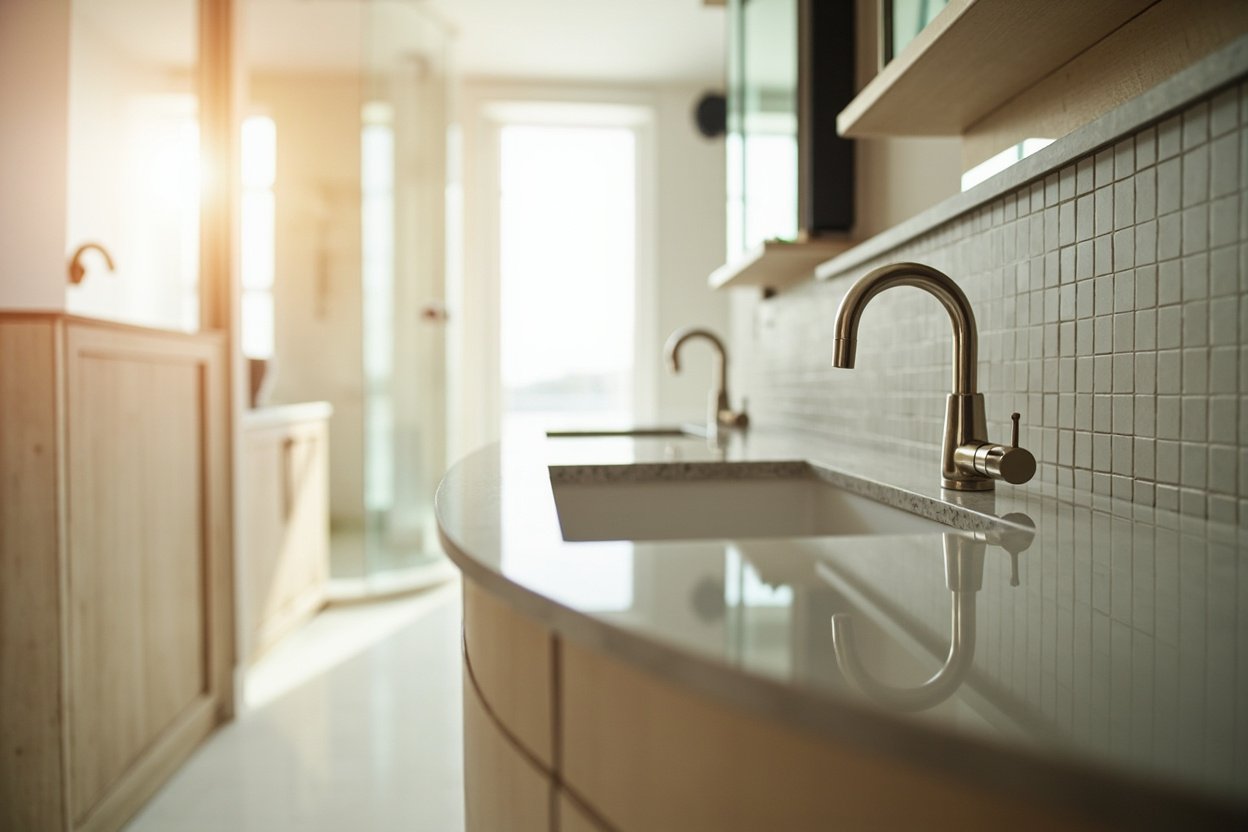
Choosing new tile for your Boston bathroom is an exciting step, but successful installation requires more than picking a beautiful pattern. In Greater Boston, with our mix of historic homes, challenging winters, and specific building codes, working with an experienced bathroom tile contractor makes all the difference between a project that looks great for years and one that causes headaches down the road.
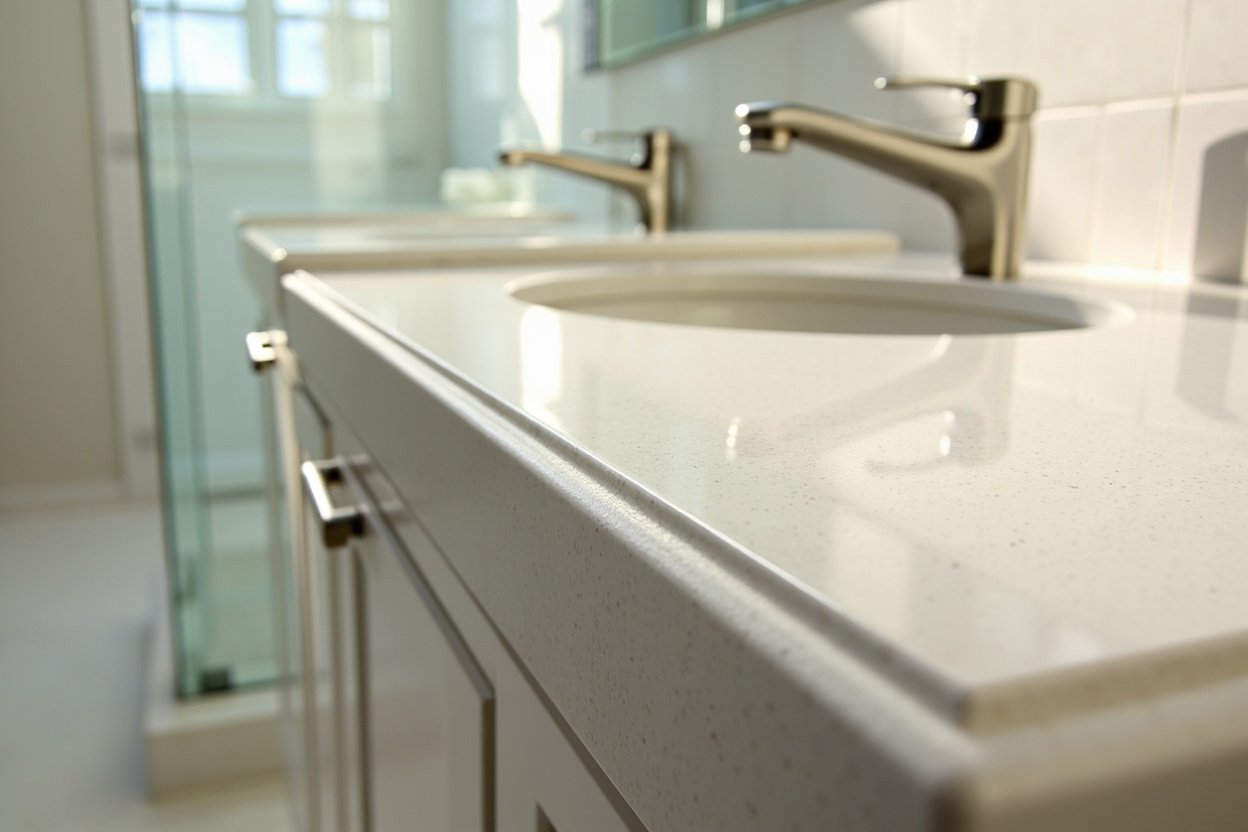
Why Tile Installation Matters More in Boston Homes
Boston’s housing stock includes everything from Federal-era townhouses to mid-century colonials, and each brings its own set of challenges. Many bathrooms in older Middlesex County and Norfolk County homes have subfloors that aren’t level, walls that aren’t quite square, and plumbing that may have shifted over decades. These aren’t problems that should stop your project, but they are issues that require professional attention during tile installation.
Beyond structural considerations, Boston’s humidity levels and temperature swings mean your bathroom tile work needs superior waterproofing. A properly installed tile floor or shower surround acts as a moisture barrier, but only when the entire system—from membrane to grout—is installed correctly. Cutting corners on waterproofing in a Boston bathroom often leads to water damage, mold growth, and costly repairs.
Planning Your Bathroom Tile Project
Before any tile goes in, proper planning ensures your new bathroom works for your lifestyle. Start by thinking about how you use the space. A primary bathroom shared by two adults needs different tile specifications than a powder room or a family bathroom getting heavy daily use.
Consider these factors when planning:
- Floor height transitions – Connecting tile floors to existing hardwood or keeping height changes minimal impacts everything from door clearance to code compliance
- Shower layout constraints – In smaller Boston bathrooms, every inch matters. Custom tile work allows you to maximize space while maintaining a polished look
- Ventilation requirements – Proper exhaust fans and airflow behind tile prevent moisture buildup that leads to damage
- Existing infrastructure – Working around current plumbing locations saves thousands compared to rerouting pipes
Your bathroom tile contractor should walk you through these considerations before finalizing any design. At Bath Design Boston, we spend time understanding your home’s specific conditions before recommending tile sizes, patterns, and layouts that work with your space rather than against it.
Waterproofing: The Step You Cannot Skip
Boston homeowners sometimes wonder why tile installation quotes vary so much between contractors. Often, the difference lies in waterproofing approaches. A tile floor that looks beautiful on installation day can hide moisture problems for months or years if the underlying system isn’t properly sealed.
Professional bathroom tile installation in Boston includes multiple waterproofing layers. This means:
- Properly prepared and sealed subfloors or backer boards
- Waterproof membranes applied to shower enclosures and wet areas
- Quality grout sealants appropriate for natural stone or ceramic materials
- Caulking at all transition points where tile meets other surfaces
These steps add labor and material costs, but they protect your investment. Given that many Boston homes have plaster walls and hardwood floors in adjacent areas, containing moisture within the bathroom isn’t just practical—it prevents damage that could affect other parts of your home.
Tile Material Options for Boston Bathrooms
Modern bathroom tile comes in materials that handle our climate well when properly installed. Porcelain and ceramic tiles offer durability and water resistance, making them excellent choices for bathroom floors and shower surrounds. Both materials come in countless colors and sizes, allowing you to create everything from classic subway layouts to contemporary geometric patterns.
Natural stone tiles like marble, slate, and travertine add immediate elegance, though they require slightly more maintenance. Stone needs periodic sealing to maintain water resistance, and some stones are more porous than others. If you love the look of natural stone but want lower maintenance, many porcelain tiles convincingly mimic marble and other materials while being easier to care for.
For shower walls and bathroom backsplashes, larger format tiles reduce grout lines and create a more seamless appearance. This works particularly well in smaller Boston bathrooms where minimizing visual clutter makes spaces feel larger. Your tile installer can recommend sizes that work with your bathroom’s specific dimensions.
Why Professional Installation Protects Your Investment
While DIY tile installation tutorials make the process look straightforward, bathroom work in Boston homes rarely follows textbook scenarios. Our experienced teams at Bath Design Boston have corrected numerous jobs started by well-meaning homeowners who ran into unexpected complications with their existing structures.
Professional tile installation means proper preparation of surfaces, correct mortar consistency, adequate curing time between steps, and attention to details that only come with experience. When you work with our team for your bathroom remodel, walk-in shower installation, or tub-to-shower conversion, we handle everything from demolition through final grouting. We also coordinate with other trades when needed, ensuring your project flows smoothly from start to finish.
Whether you’re updating a powder room in a historic Back Bay brownstone or installing a custom tile shower in a newer Norfolk County home, working with local professionals means your project meets Boston-area building codes and functions beautifully for years to come.
Ready to plan? Visit our bathroom remodeling page for Free, no-obligation estimate
When planning your bathroom tile installation boston, focus on clear scope, proper waterproofing, and smart layout choices.