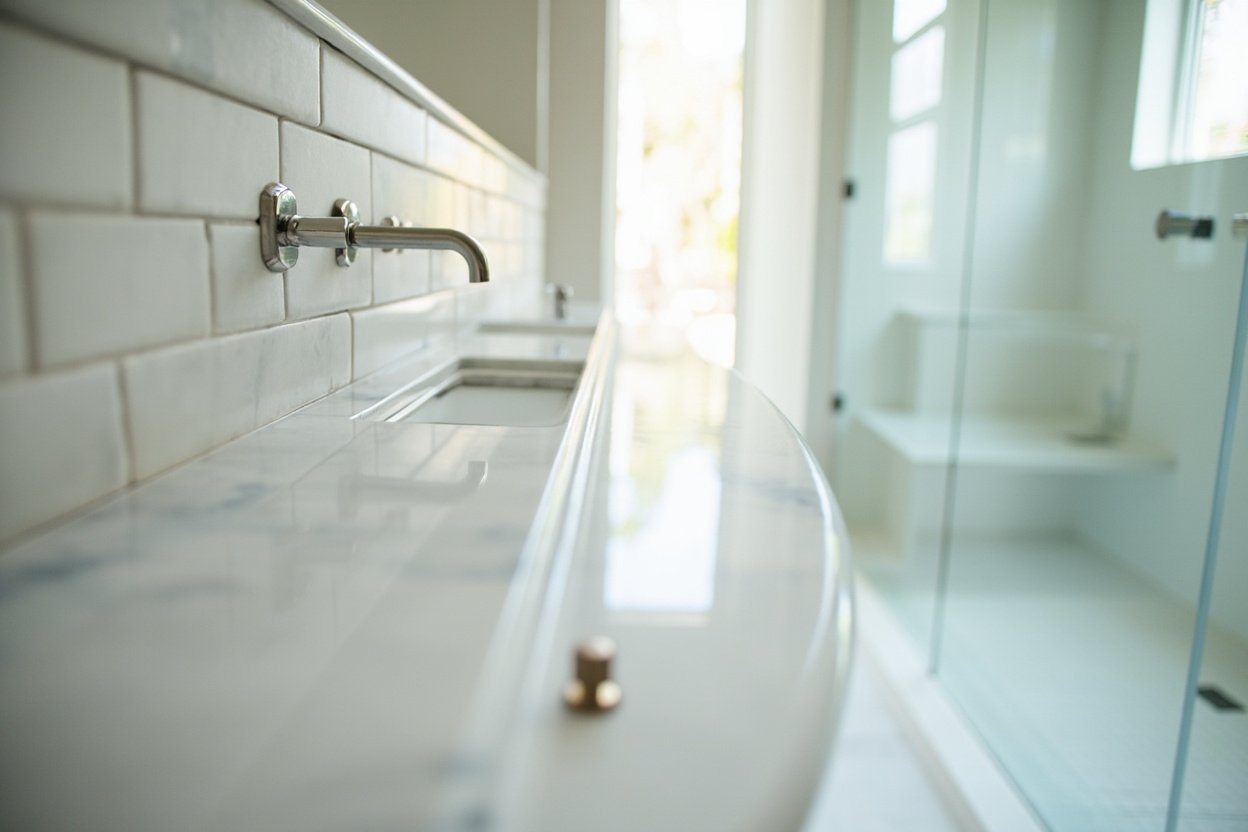
Choosing to update your bathroom with new tile is one of the most impactful improvements you can make for your Boston-area home. Whether you are renovating a historic townhouse in Beacon Hill or modernizing a condo in Cambridge, proper bathroom tile installation in Boston requires careful planning, the right materials, and skilled craftsmanship. At Bath Design Boston, we specialize in full bathroom remodels, custom tile work, walk-in showers, and tub-to-shower conversions throughout Greater Boston, Middlesex County, and Norfolk County. This guide walks you through what to expect during the installation process, how to choose the right materials for New England climates, and why professional installation matters for long-term performance.
Why Tile Is a Top Choice for Boston Bathrooms
Boston’s older housing stock presents unique challenges that make tile both a practical and stylish choice. Many homes built in the early 20th century feature smaller bathrooms with non-standard layouts, uneven subfloors, and varying wall conditions. Tile is durable, water-resistant, and available in countless styles to match any design aesthetic. Modern porcelain and ceramic tiles can mimic natural stone, wood, or concrete, giving homeowners flexibility without sacrificing performance.
Beyond aesthetics, tile handles the moisture and humidity fluctuations common in Massachusetts well, especially when installed with proper waterproofing systems. A properly tiled bathroom can last decades with minimal maintenance, making it a sound investment for homeowners looking to increase both comfort and resale value.
Key Steps in Professional Bathroom Tile Installation
Professional tile installation involves several critical stages that go beyond simply setting tiles in adhesive. Understanding these steps helps you evaluate whether your contractor is following best practices for the Boston area.
- Assessment and preparation: Your installer should evaluate the existing substrate, check for moisture issues, and ensure the floor or wall can support the new tile weight.
- Waterproofing: In bathrooms, especially those with limited ventilation common in older Boston homes, a waterproof membrane applied beneath the tile is essential to prevent water damage.
- Layout planning: Careful measurement and planning prevent awkward cuts and ensure pattern continuity, particularly important in smaller bathrooms where every inch counts.
- Tile setting: Using the appropriate mortar and technique for your chosen material, tiles are set with attention to spacing and alignment.
- Grouting and sealing: After the mortar cures, grout is applied and sealed to protect against staining and moisture infiltration.
- Final inspection: A thorough check ensures all edges are finished, transitions are clean, and the installation meets quality standards.
Choosing Materials Suited for New England Conditions
Boston’s climate means freeze-thaw cycles and varying humidity levels throughout the year. Not all tiles perform equally under these conditions. Porcelain tiles are denser and less porous than standard ceramic, making them highly resistant to moisture absorption. For bathroom floors, look for tiles rated for slip resistance to enhance safety in wet conditions.
If you are drawn to natural stone such as marble or slate, understand that these materials require more maintenance and sealing over time. They also tend to be more susceptible to etching from acidic substances. In high-traffic family bathrooms, man-made materials often provide a better balance of durability and appearance retention.
For walk-in showers and tub-to-shower conversions, large-format tiles reduce grout lines, simplifying cleaning and reducing potential water intrusion points. Mosaics can add visual interest to niches, benches, or accent borders while providing better grip underfoot.
Addressing Layout Constraints in Historic Boston Homes
Many bathrooms in Boston-area homes were designed decades ago and may not meet modern expectations for space and functionality. Layout constraints such as low ceilings, limited floor space, or awkward alcoves require creative solutions during tile installation.
Professional installers account for these challenges by customizing layouts that maximize visual space. Horizontal tile patterns can make a small bathroom feel wider, while vertically oriented designs add height perception. Custom-cut pieces may be necessary around pipes, built-in cabinetry, or angled walls common in older construction.
At Bath Design Boston, we have experience working with the unique architectural features found in homes throughout Greater Boston, Middlesex County, and Norfolk County. Our team can advise on tile choices and patterns that work with your existing layout rather than against it.
Ventilation and Waterproofing: Essential Considerations
Proper ventilation is critical in any Boston bathroom, but it becomes especially important when installing tile. Bathrooms without windows or with limited airflow rely heavily on exhaust fans to remove moisture after showers. Without adequate ventilation, trapped humidity can lead to mold growth, adhesive failure, and premature tile deterioration.
During your bathroom remodel, we recommend evaluating your existing ventilation system and upgrading if needed. This investment protects your new tile installation and contributes to better indoor air quality overall. Waterproofing should extend beyond the shower area to include the entire bathroom floor, especially in ground-floor bathrooms where water from leaks can affect the structure below.
What to Expect During Your Remodel
A full bathroom remodel involving new tile typically requires careful coordination between demolition, plumbing adjustments, and installation phases. Your contractor should provide a clear schedule and keep you informed of progress throughout the project.
During the demo phase, existing flooring, wall tiles, and any damaged substrate are removed. The subfloor or wall surface is then inspected and repaired as needed. If you are converting a tub to a walk-in shower, plumbing modifications may be necessary at this stage.
After waterproofing and curing, the new tile is installed according to the planned layout. This phase generally takes several days depending on the size of the area and the complexity of the design. Grouting follows once the mortar has fully set, and sealing is completed after the grout has cured.
Working with a Local Contractor
Choosing a local company familiar with Boston-area building codes and construction practices simplifies the renovation process. Local contractors understand the permitting requirements specific to Middlesex County, Norfolk County, and the City of Boston. They also have relationships with regional suppliers, which can lead to better access to materials and faster project timelines.
When interviewing potential contractors for your bathroom tile installation, ask about their experience with historic homes, their approach to waterproofing, and their portfolio of completed projects. A reputable contractor will be transparent about the process and happy to explain how they handle the unique challenges of older properties.
Protecting Your Investment
Once your new tile is installed, ongoing maintenance keeps it looking its best for years. Regular cleaning with pH-neutral cleaners prevents grout discoloration and tile damage. Periodic resealing of grout lines and natural stone tiles extends their lifespan significantly.
Address any signs of water intrusion promptly. Discoloration at caulk joints, loose tiles, or musty odors can indicate problems beneath the surface that need professional attention before they worsen.
Ready to plan? Visit our bathroom remodeling page for Free, no-obligation estimate
When planning your bathroom tile installation boston, focus on clear scope, proper waterproofing, and smart layout choices.